-
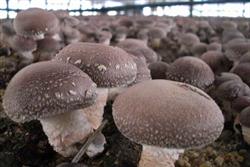
Six key taboos to remember when using bacterial biological insecticides
Edible fungi suffer pest damage during the mycelium growth and mushroom fruiting stages due to the distinctive odor of the mycelium, so insecticides are often used when pest damage occurs. When pest damage occurs in edible fungi, the first step is to choose insecticides that are highly effective, low in toxicity, and have a short residual life, such as decis and dichlorvos; do not use banned substances such as benzene hexachloride (BHC) and DDT...
-
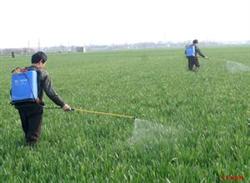
Two key points to master when spraying insecticides
First, choose the favorable time period for application according to climate characteristics and the pests' day-and-night activity patterns. The best application times are 9-10 a.m. and after 4 p.m. This is because at 9-10 a.m., the dew on crop leaves has already dried, and it is precisely when diurnal pests are most active. Applying the insecticide at this time will not...
-

Five misconceptions to avoid when using plant growth regulators
Organophosphate insecticides are the most widely used and highest-volume class of insecticides in China, with many varieties and vastly differing properties, but taken together they have the following characteristics: (1) A relatively broad insecticidal spectrum. The organophosphate insecticide varieties commonly used today can control many agricultural and forestry pests, and some can be used to control public health pests...
-
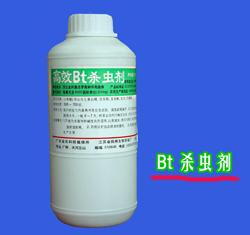
Four points to note when using Bt insecticides
Bt is a bacterial insecticide, belonging to a variety of the Bacillus thuringiensis group, and is very effective against lepidopteran larvae. When using it, pay attention to the following issues: 1. First, pay attention to the quality of Bt. Generally, it is required to contain more than 10 billion spores per milliliter (or per gram), and the application concentration is 500-700 times. If the product...
-
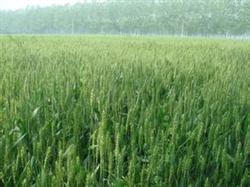
When is the best time to apply wheat herbicide?
Weeds in wheat fields show their first and largest emergence peak 15-20 days after wheat is sown, and some weeds may show another small emergence peak in March of the following year. Through extensive experimental observation, there are 3 key periods for weed control in wheat fields. 1. Before wheat emergence after sowing is an important period for controlling weeds in wheat fields...
-
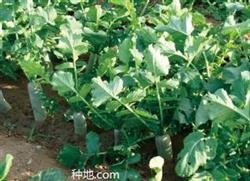
How to Correctly Use Herbicides When Planting Autumn Radishes
How should herbicides be used for planting autumn radishes? What are the application methods? When planting radishes in autumn, the amount of weeds in the field is relatively large, so in production, herbicides can be selected according to actual conditions for chemical weed control. For pre-sowing soil treatment, you can choose 48% trifluralin emulsifiable concentrate 100-150 ml (dosage per mu, same below...
-
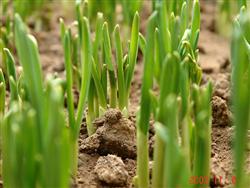
What precautions should be taken when using herbicides in farmland?
How should herbicides be applied to chive seedlings? Please advise. Chives are relatively sensitive to acetochlor, so acetochlor should not be used for soil-closure treatment. After sowing chives and before emergence, prometryn, pendimethalin, and butralin can be used for soil-closure treatment. Among them, prometryn is mainly used to control broadleaf weeds, while pendimethalin and butralin...
-
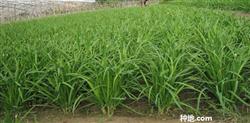
How to correctly use herbicides when growing Chinese chives?
How are herbicides used when growing Chinese chives? Please refer to the following herbicide techniques for your reference: 1. Pre-emergence: 48% dinitramine, 3 to 3.75 liters per hectare, applied to seedling beds after sowing and before emergence. 50% prometryn WP at 1.5 grams per hectare, applied to Chinese chive seedling beds after sowing and before emergence; 50% prometryn WP at 1...
-
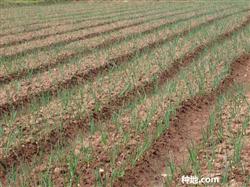
How to use herbicides when growing onions
How do you use herbicides when growing onions? Please advise. Onions and bulb onions, as spice crops, are being grown on an ever-increasing area. In the production of onions and bulb onions, improper selection of herbicides often causes a seasonal yield reduction or total crop failure, and can also leave residual toxicity for the following crop. In the pollution-free production of onions and bulb onions, the skillful use of herbicides is very important...
-
What precautions should be taken when dressing seeds with powder-form pesticides?
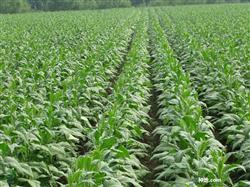
How should herbicides be used on tobacco? Please provide guidance. Tobacco has small seeds and slow-growing seedlings, and is often harmed by weeds. The main weeds include: green foxtail, Chinese sprangletop, early barnyardgrass, goosegrass, shortawn foxtail, cocklebur, flatsedge, cleavers, chickweed, plantain, dandelion, and others. Weed control in tobacco fields...
条件筛选