-

What Is High-Temperature Composting? A Full Breakdown of the Key Technical Points
Compost is a kind of organic fertilizer with relatively rich nutrients and a long-lasting, stable fertilizing effect, and it can also increase the soil's ability to retain water, hold heat, allow air through, and retain fertilizer. Ordinary compost is made by decomposing under anaerobic conditions, and the compost temperature does not exceed 50°C; during decomposition
-
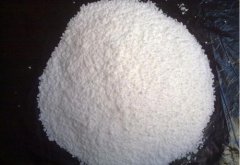
What is melamine, and can dairy products containing melamine be used to make organic fertilizer?
Melamine dealt a severe blow to dairy products, and the public dared not consume them. If tainted milk powder is used as fertilizer, will it be absorbed by crops and affect human health? Melamine is a nitrogen-containing organic compound produced from urea as a raw material; it is biodegradable, and after being decomposed into urea by microorganisms, it does not harm plants.
-

What does microbial composting do? Understanding microbially enhanced composting in one article
Microbial oil cake compost: Organic farming places special emphasis on cultivating the soil so that it can maintain the highest productive capacity, and one of the best ways to improve the soil is to apply organic fertilizers such as microbial oil cake fertilizer and oil cake liquid fertilizer. This not only significantly shortens the production time of organic fertilizer, but the method is also very simple, clean and hygienic, and crop yield and quality are markedly improved.
-
The Benefits and Uses of Compost Explained in Detail
What benefits does applying compost have? Do you know? The nutrient source for organic crops, under the principle that chemical fertilizers must not be used, depends entirely on the use of compost. As for the nutrient content of compost, aside from itself containing a small amount of readily available inorganic nutrients, most
-
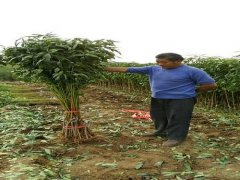
What is organic matter in fertilizer, and what types are there?
Do you know the selection and application techniques of organic matter fertilizers? If not, then take a look at this article and learn about it. This way you can fertilize crops better. Choose according to soil conditions. You can send soil samples to an improvement station to analyze the soil's organic matter.
-
What are the raw materials for organic fertilizer? Farm-made organic fertilizer vs. commercial organic fertilizer
In what ways do farm-made organic fertilizer and commercial organic fertilizer differ? Because organic materials differ in composition and in the nutrients they release upon decomposition, their application requires attention to the advantages and disadvantages of each organic material, making up for shortcomings by drawing on strengths, and making the most appropriate blending and application, which will achieve twice the result with half the effort
-
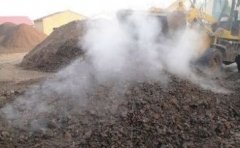
What Is Microbial Fertilizer? A Complete Guide to Its Uses and Benefits
What exactly is microbial fertilizer? The most essential and most distinctive feature of microbial fertilizer is that it is a living, life-containing fertilizer. How is it formed? Let's take a look below. 1. What Is Microbial Fertilizer Microbial fertilizer refers to
-
What Is Microbial Fertilizer? A Complete Guide to Its Uses and Benefits
What exactly is microbial fertilizer? The most essential and most striking feature of microbial fertilizer is that it is a living, life-bearing fertilizer. How is it formed? Let's take a look below. 1. What Is Microbial Fertilizer Microbial fertilizer refers to
-
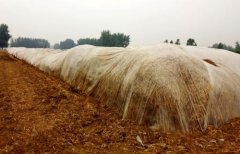
Want to make your own organic fertilizer? First, understand what compost is and its benefits
Organic compost. Composting is an ancient technique that requires no precise calculations or advanced skills. With just a little effort, you can both solve the environmental problem of waste and improve soil fertility, making it well worth adopting. Let's take a look together below. Farm compost
-
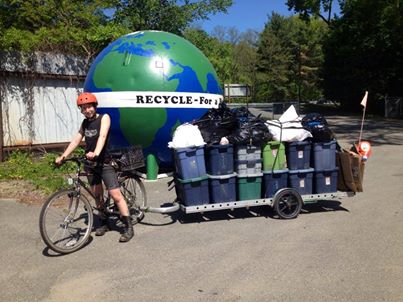
What is compost? How to make compost from weeds and other waste
The power of the pedal - PedalPeople
条件筛选