-

Sweet William
Scientific name Dianthus barbatus, genus Dianthus, classified as a biennial herb, plant height about 45 cm, seed germination 5-8 days, maturity time 90-10 days, flowering season summer, used part flower, blooms in showy double-colored flowers with a rich fragrance. Uses: the flowers can be brewed as tea, made into salads and jam, and used to decorate food; it is a widely used edible flower. Cultivation: full sun, good ventilation, and well-drained sandy loam or deep loamy soil are best. Sow seeds directly, 3 per hole
-
Propagation Methods and Management Tips for Sweet William (Dianthus barbatus)
Propagation methods: sowing and cutting propagation. 1. Sowing propagation can be done in spring or autumn. In autumn, sow in the open field from September to October. The optimum germination temperature is 1-0 to 20°C. Sweet William seedlings need a month and a half of low-temperature vernalization before they can differentiate flower buds, so seeds sown in spring will not bloom that year, producing only leaves, and will not bloom until early summer of the following year. Before frost, seedlings should be 2-3 cm tall. For field sowing, sow 200 seeds per sq m. If growing seedlings for transplant production, move them elsewhere after they become established, and the rate can be doubled, that is, 400 seeds per sq m; sowing in a greenhouse
-
Hydrangea Fertilizer and Water Management Tips: Do These Well and It Will Bloom More Vigorously
Hydrangea, also known as florist's hydrangea, has many flowers, large blooms, bright colors, a long flowering period, and high ornamental value. Hydrangea can grow normally and bloom smoothly in fertile, well-drained acidic soil. Therefore, when caring for hydrangea, you must master the fertilizer and water management tips well: in early spring each year, combine repotting with improving the potting soil to prevent the soil from compacting and becoming alkaline. When repotting, remove about two-thirds of the old potting soil, use 5 parts leaf mold, 4 parts fully decomposed pond mud, 1 part clean fine river sand, mix in 15-20 grams of ferrous sulfate, stir thoroughly and evenly, then prepare
-
What are the key points of cotton seedbed management? Do these well and the seedlings will be stronger
This year the weather during cotton sowing was good, with plenty of sunlight. At present, the large-area cotton has full stands and has entered the seedbed management stage. The following points should be grasped in detail: 1. After full emergence, spray each 10 sq m of seedbed with 3 ml of "Zaofa No. 1" plus 0.6 kg of water; spray once more after 8-10 days to prevent leggy seedlings and cultivate large, strong seedlings. 2. After full emergence, choose sunny weather to sun the bed and disperse moisture, and at the same time spray chemicals to prevent disease. 3. For the few dry, stiff cotton seedlings lacking water and fertilizer, promptly supplement fertilizer and water. Before 9 a.m., ventilate first and then remove the film to supplement water, and water with urea plus diluted manure water. After drying, scatter dry fine soil, then cover with film to keep warm.
-
-
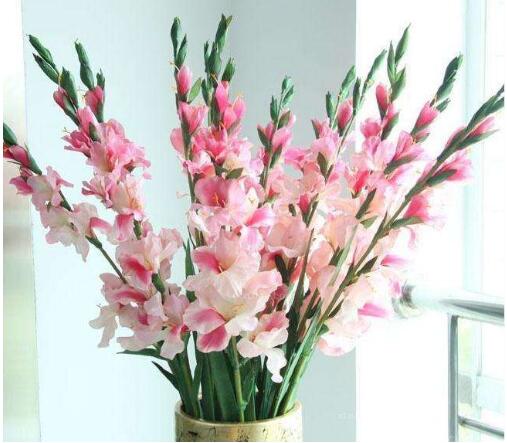
When Does Gladiolus Bloom? Grow Potted Ones This Way If They Won't Flower, and Blossoms Will Fill the House in All Four Seasons
Gladiolus is a flowering plant that is very well suited to indoor growing. Previously we covered gladiolus growing methods and precautions and how to water-culture gladiolus; now let's look at when gladiolus blooms and what to do if it doesn't bloom. If grown well, the flowers it produces are absolutely more gorgeous than roses.
-

Key points for summer care of Phalaenopsis orchids: do these well and they will get through summer safely
Phalaenopsis orchids like to live in a warm, humid, well-ventilated semi-shaded environment. The most suitable growing temperature is 22-28°C; temperatures too high or too low will both adversely affect their growth. In summer, the weather is hot and dry, the air temperature often exceeds 32°C, air circulation is poor, and direct sunlight is strong
-
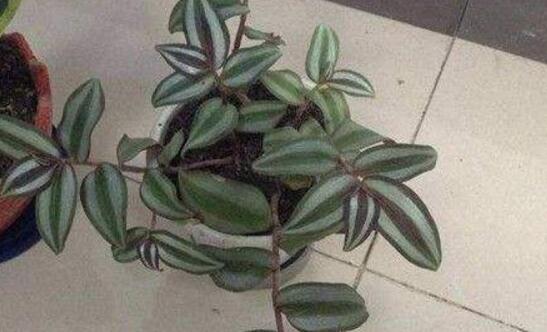
How to propagate Tradescantia zebrina by cuttings? Do these four things well and it will easily fill the pot
Tradescantia zebrina is loved for its unique leaves and stems, so some people want to grow a few more pots, and at that point they have to think about propagation. So how do you propagate Tradescantia zebrina? Here I will introduce two common and simple propagation methods for Tradescantia zebrina
-
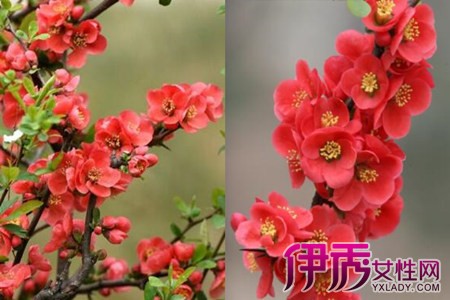
How to propagate Chaenomeles speciosa (flowering quince) by cuttings? Master the method and it will bloom more abundantly
Many people may not be very familiar with Chaenomeles speciosa, but it is very beautiful when in bloom. So many people choose to grow it in their yards, but many do not know how to take cuttings. Actually, it is not difficult at all once you master the tricks
-
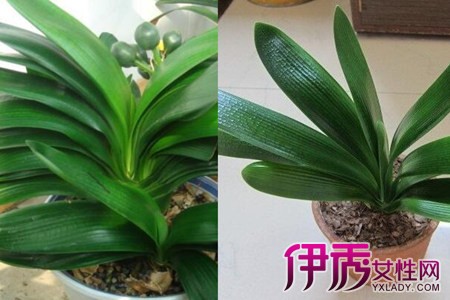
Once you learn how to grow clivia (Clivia miniata) from seed, the flowers will bloom even more vigorously
We are all very familiar with clivia, but many people say that growing clivia is very difficult. In fact, clivia simply has very high requirements for its growing environment. Below, the editor will teach you the correct way to grow clivia.
条件筛选