Once you learn how to grow clivia (Clivia miniata) from seed, the flowers will bloom even more vigorously
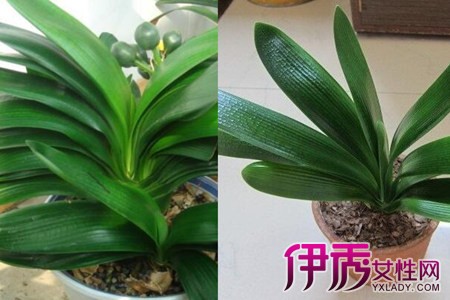
The reason everyone thinks clivia is hard to grow is that they do not grasp clivia's habits well. Clivia's roots are very long. So when you start planting, you need to find a deeper flower pot, and you need to find one with good breathability. That is, the bottom of the pot needs holes so air can pass through. This way you can put in more soil, which lets clivia's roots take hold properly.
After finding a suitable flower pot, the next step is to find soil suitable for clivia's growth. Many people use loess to grow clivia. Loess is relatively very hard and is not suitable for clivia's normal growth, so when choosing soil you should choose soft black soil. Black soil is very helpful for root growth.
Clivia has very high requirements for humidity; it is not a plant that likes water very much. So be sure not to water it too much. Water about once every 3-5 days. Before watering, check the soil in the pot; if it is still very moist, you do not need to water. Overwatering can cause root rot.
In the north in winter, temperatures are basically below zero, so when growing clivia you must pay attention to maintaining the temperature. Do not put it outdoors. Placing it indoors at around 18 degrees is just right for clivia's growth. And in the second year of planting it can bloom normally, and the blooming period is right before the Spring Festival, which is very beautiful.
When the flowers bloom, aphids may appear and make the leaves and flowers very sticky. When pests appear, you need to buy insecticide to kill them. After spraying the insecticide, do not water the leaves right away, because watering will wash the pesticide off. After two days, you can spray water again.
Learn how to grow clivia from seed, and it will bloom more vigorously during the flowering period
Clivia is one of the harder flowers to grow. Many people know that clivia is very beautiful when it blooms. But when it comes to growing it, many feel it is a very difficult flower to grow. In fact, clivia simply has relatively high requirements for its growing environment; once you understand clivia's habits, you will not find it difficult to grow.
First, when choosing a flower pot, clivia likes a larger pot, because such a pot can hold more soil. This is good for clivia's roots taking hold. A pot that is too small cannot supply nutrients, and root growth is affected, making it hard to grow. Also, the bottom of the pot should have holes. A pot without holes is not breathable, and when you water too much, the water cannot drain out.
After choosing a good flower pot, the next step is to choose suitable soil. When choosing soil, do not use loess. Loess is very hard and has a big impact on the flower's growth. Clivia likes soft black soil. You can dig up soil from under trees where leaves have rotted; it is very good. This kind of soil is very nutritious for growing clivia and is beneficial for growth.
Next is the water requirement. Clivia must not be watered too much. Too much water will cause root rot, and then it basically cannot survive. Also, clivia cannot be exposed to the sun. In summer it should also be placed indoors in a cool, ventilated place; only then can it grow normally. If placed outdoors, it may be killed by the sun or its leaves may become soft.
Clivia will roughly bloom in the second year after planting, and the blooming time is around before the New Year, so placing it on a windowsill is very beautiful. But when it blooms, watering should be a bit more plentiful, about once every 3-5 days, which can make the flowers last longer.
Learn how to grow clivia from seed. Once you grasp the key points, growing flowers is actually not difficult at all.
Clivia itself is one of the more noble flowers, and its growing conditions are considerably higher than those of other flowers. Only by paying attention to clivia's habits can you grow it well. First, when choosing a pot for planting, many people think it is fine to plant it in a small pot, but clivia actually likes a large pot. When first planted it may look very small, but as it grows its roots will go deep, so choosing a larger pot can hold more soil and is good for the roots taking hold.
After choosing a suitable flower pot, the next step is to choose soil suitable for growth. Many people just casually take some loess and put it in the pot. Clivia needs soft black soil to grow well. Using very hard loess makes rooting very difficult and greatly lowers the survival rate.
Next, put the prepared soil into the flower pot, then plant the clivia in the pot. Do not plant it very deep. This can easily cause root rot. Just cover it with a little bit of soil; only then can clivia's roots slowly grow in.
Once planted, start watering. The first time you water the planted clivia, you must water a lot so it soaks through. After watering, leave it outside for half an hour, and the water will roughly seep through. Then bring it indoors and place it in a cool, ventilated spot, with the temperature kept at around 19 degrees, which is more suitable. After about half a month, clivia will grow new small shoots. Because the shoots are tender, do not put them in direct sunlight.
Growing this way, it can bloom normally in about a year and a half. When clivia blooms, it is very beautiful. It basically blooms most vigorously during the twelfth lunar month. During the Spring Festival, it is just right for viewing and is very beautiful.