-

What is the difference between poplar catkins and willow catkins? Teach you to tell them apart at a glance
The difference between poplar catkins and willow catkins
-
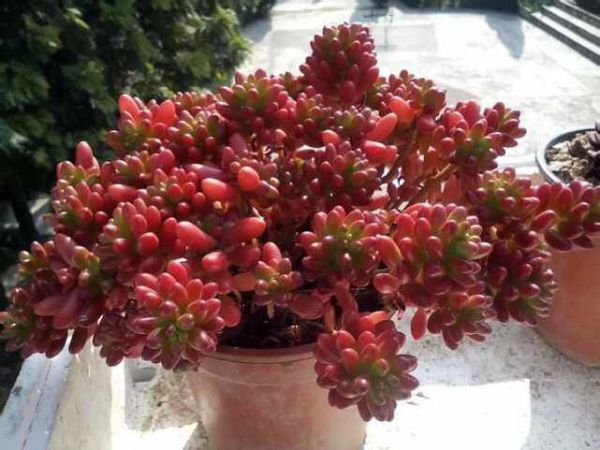
Add these things when repotting flowers, and they will burst into bloom year after year
Put these things in when repotting, and your flowers will burst into bloom year after year
-

Growing flowers in autumn: line the bottom of the pot with these materials and the roots will never rot
Autumn is full of great materials for growing flowers; line the bottom of the pot with these and the roots will never rot again
-
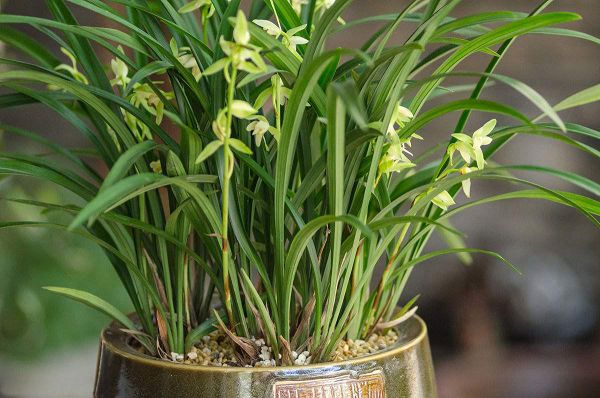
Pay attention to these points when growing flowers in early spring, and your home flowers will be full of life
Pay attention to a few points when growing flowers in early spring, and let your home plants be full of life
-
These flowers will fill their pots with blooms with hardly any effort, and the neighbors will be envious when they see them
These flowers will fill their pots with blooms with hardly any effort, leaving the neighbors deeply envious
-

Is the kapok a flower or a tree? This article will help you get to know the kapok
What is the kapok, a flower or a tree
-
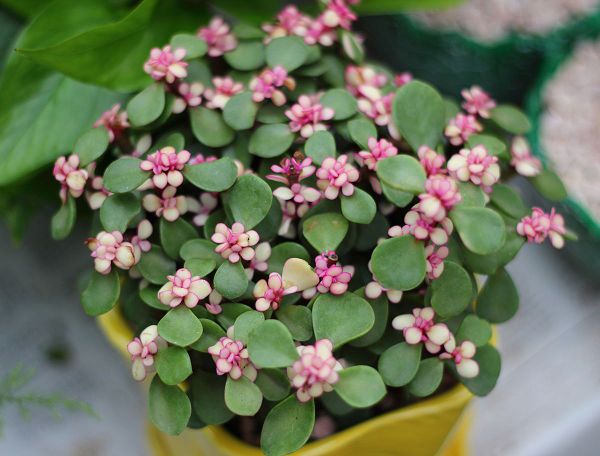
Flowers with tenacious vitality that will fill a pot with just casual care
Flowers with exceptionally tenacious vitality that can fill a pot with just casual care
-
These kinds of water cannot be poured directly on flowers; use them wrong and you will be left with only empty pots
These kinds of water cannot be poured directly on flowers, otherwise in the end only the pots will be left
-
Sweet William
Scientific name Dianthus barbatus, genus Dianthus, classified as a biennial herb, plant height about 45 cm, seed germination 5-8 days, maturity time 90-10 days, flowering season summer, used part flower, blooms in showy double-colored flowers with a rich fragrance. Uses: the flowers can be brewed as tea, made into salads and jam, and used to decorate food; it is a widely used edible flower. Cultivation: full sun, good ventilation, and well-drained sandy loam or deep loamy soil are best. Sow seeds directly, 3 per hole
-
Propagation Methods and Management Tips for Sweet William (Dianthus barbatus)
Propagation methods: sowing and cutting propagation. 1. Sowing propagation can be done in spring or autumn. In autumn, sow in the open field from September to October. The optimum germination temperature is 1-0 to 20°C. Sweet William seedlings need a month and a half of low-temperature vernalization before they can differentiate flower buds, so seeds sown in spring will not bloom that year, producing only leaves, and will not bloom until early summer of the following year. Before frost, seedlings should be 2-3 cm tall. For field sowing, sow 200 seeds per sq m. If growing seedlings for transplant production, move them elsewhere after they become established, and the rate can be doubled, that is, 400 seeds per sq m; sowing in a greenhouse
条件筛选