-
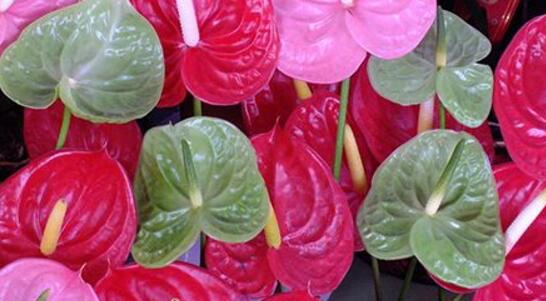
Why is my anthurium not red and not growing tall? Four things you need to understand
The main reason many people like anthuriums is their very brightly red flowers, yet some people find that the anthurium they grow is not red, and some even turn green, so it does not look especially attractive. So why is an anthurium not red? Let us answer that for you
-
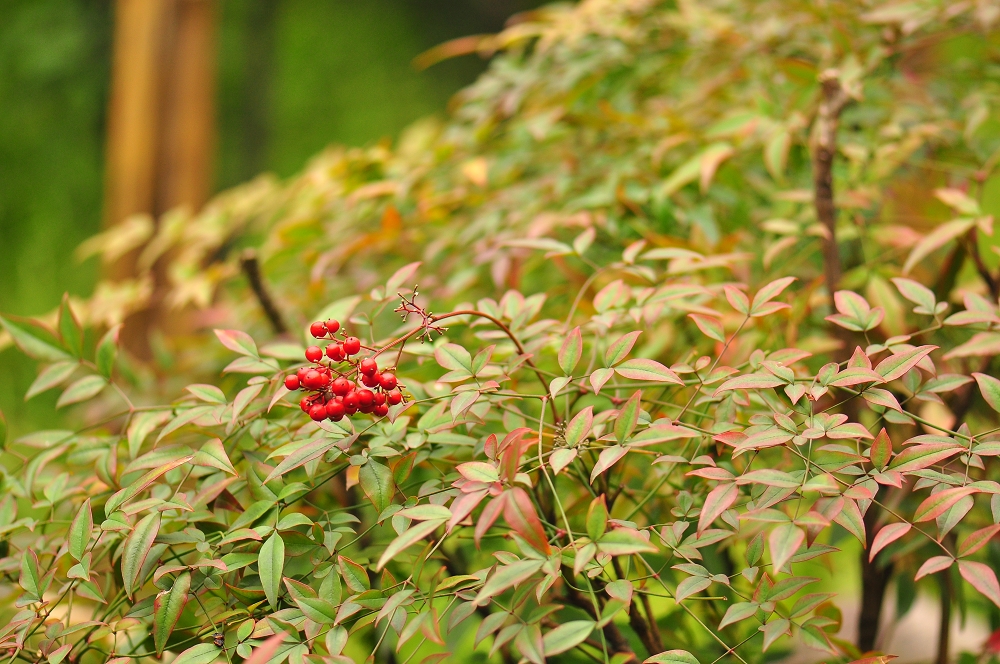
Nandina propagation methods illustrated, easy to understand at a glance
Nandina (Nandina domestica) likes a warm and humid environment, is relatively shade-tolerant and cold-tolerant, easy to care for, prefers fertile sandy loam with good drainage, and is not very strict about water requirements, tolerating both moisture and drought. Several propagation techniques for nandina are introduced below: 1. Division method: In spring and autumn, dig out the clustered plants, shake off the old soil
-

What are the risks of agarwood cultivation? Growers need to understand them in advance
The risks that exist in agarwood cultivation
-
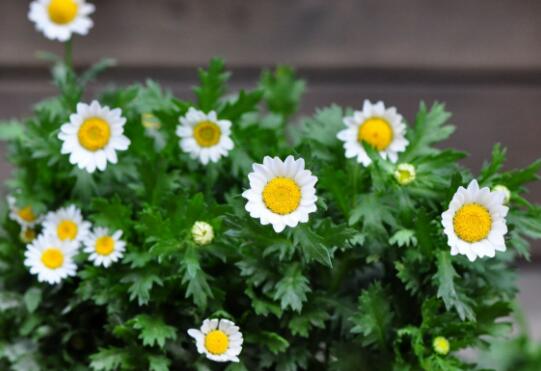
How to grow snow daisies and the points to note, keep temperature under control when caring for them
The snow daisy is a flowering plant native to Europe that was later introduced to our country, and today it can be seen in many regions of our country. However, it is not easy to grow it well, and there are many things we need to pay attention to. How do you grow snow daisies? What are the growing methods and points to note for snow daisies
-
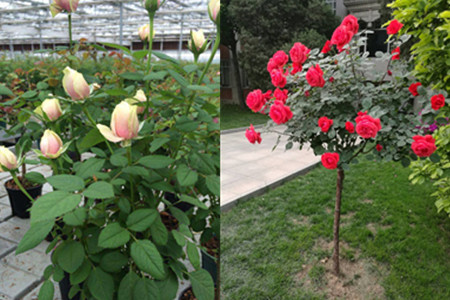
What are the rootstocks for grafting roses? You need to understand these precautions
In real life, the common garden roses are all grafted. Through grafting, the variety can be improved, and it is easier to view and manage. Which rootstocks are generally chosen for grafting roses? What precautions should be taken during grafting? Let me introduce this in detail below.
-

What are the precautions for growing pineapple? Read this article to understand
Precautions for growing pineapple
-
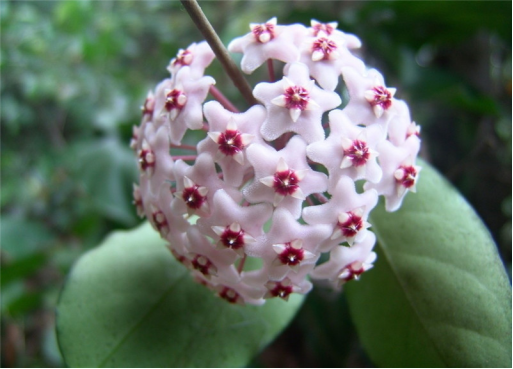
What are the care tips for hoya? Read this one article to understand
1. Hoya likes to stay put and dislikes being moved; once it is repotted and planted properly, do not keep changing it around; and do not keep moving its placement location either. 2. Hoya has temperature requirements, yet it should avoid air-conditioned rooms; what it needs to be exposed to is natural temperature. 3. Except in cold weather
-
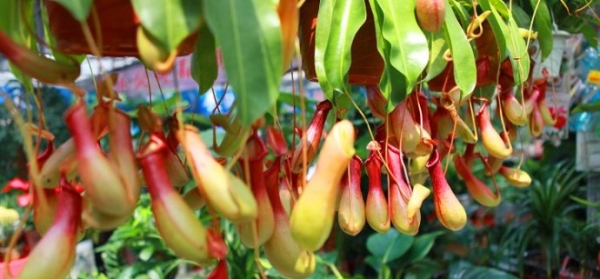
Can pitcher plants be grown indoors? Read this and you'll understand
If there are children or elderly people in the home, they may accidentally eat the pitcher plant, and the stems and leaves of the pitcher plant are highly toxic, so it is best not to grow it indoors. Moreover, when the pitcher plant blooms, it gives off an unpleasant, foul odor. Growing it in the bedroom releases an unpleasant smell, affecting healthy sleep. But if flower lovers are very fond of pitcher plants
-
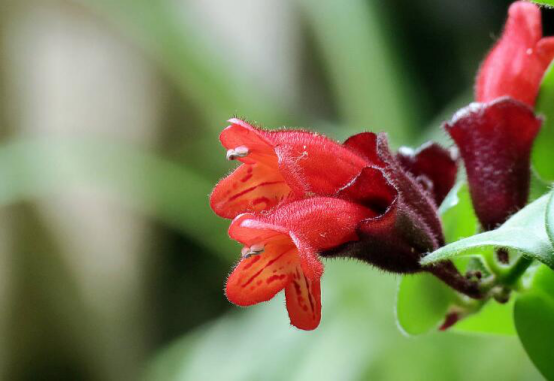
How to grow the lipstick plant? Understand the growing methods and precautions in one article
1. Soil. The lipstick plant adapts to growing in slightly acidic, well-drained, loose sandy soil. When potting, you can mix peat soil, sand and vermiculite powder with an appropriate amount of superphosphate to make a potting medium, or use leaf mold plus coarse sand or barnyard manure mixed with coarse coal furnace slag as the medium. 2. Watering
-
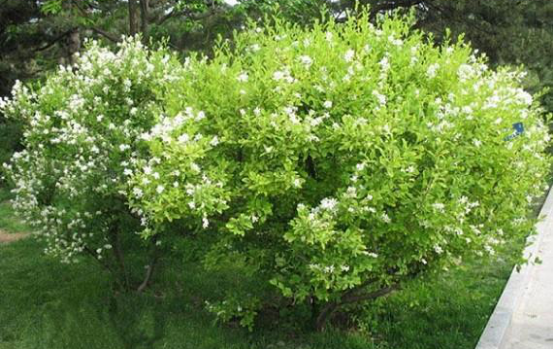
What are the care methods for the common pearlbush? Read this one article to understand
1. Pot and soil selection. The common pearlbush can be grown outdoors in the ground or kept in a pot for ornament. When growing it in a pot, choose a suitable flowerpot according to the size of the common pearlbush plant. Before filling the soil, first place a drainage layer made of some broken tiles at the bottom of the pot.
条件筛选