-

What is Goji Fish Rice? An article to help you understand specialty agriculture
Ingredients: mandarin fish, goji berries. Seasonings: salt, MSG, egg white, cornstarch, salad oil, stock, yellow rice wine, sesame oil. Method: (1) Debone the mandarin fish, mince it, and velveting it with a coating; soak the goji berries in water and set aside. (2) Slip the minced fish in warm oil briefly, then remove and drain; saute minced scallion and ginger in the pan, add stock, goji berries, and seasonings, then add the minced fish and stir-fry; thicken with a slurry, plate, and serve. Characteristics: tender, fresh, and smooth on the palate.
-
How Is Yellow Tea Produced? Understanding the Origins of Yellow Tea in One Article
The basic process for green tea is fixation, rolling, and drying. When the green tea processing technique is not properly controlled - for example, if after fixation the leaves are not spread to cool and rolled in time, or after rolling they are not dried or pan-fired in time and are left piled too long - the leaves turn yellow, producing yellow leaves and a yellow brew, similar to the yellow tea that appeared later. Therefore, the emergence of yellow tea evolved from improper green tea processing methods. Xu Cishu of the Ming Dynasty recorded this history of evolution in his "Tea Commentary" (1597).
-
What are the growth habits of Codonopsis pilosula? Understand these characteristics to grow it better
Codonopsis pilosula is a perennial herbaceous vine. It prefers a mild climate, cool summers and a humid atmosphere. It is cold-hardy, and after planting, the roots can overwinter in the soil in the open field. It has strict light requirements: seedlings prefer shade and moisture, so avoid direct sun during the seedling stage; once established, the plants prefer sun. Codonopsis pilosula requires deep, loose soil, with fertile sandy loam being the best. It dislikes saline-alkaline soil, clay and low-lying land, and is not suitable for continuous cropping.
-
How to control onion maggots? Understanding the occurrence characteristics is key
I. Damage symptoms Onion maggot larvae bore into and feed on garlic bulbs, causing the bulbs to rot, and the above-ground leaves to turn yellow, wilt, and even die. Pulling out affected plants reveals maggot pupae; the damaged garlic skin shows yellowish-brown rot, the garlic heads are bored into holes by the larvae and become incomplete, with the cloves exposed and split open, accompanied by a foul odor. Affected plants are easily pulled out and break off. II. Occurrence characteristics Onion maggots can cause damage before winter, pupate and overwinter after winter sets in, and begin to emerge as adults from the pupae in March of the following year. Adults lay eggs around the garlic roots
-
What plant is the Thunder God Agave?
Scientific name: Agavepotatorumvar.verschaffeltii(LEM.)BERGER Alias: Nipple Agave, Agave verschaffeltii Family and genus: Agavaceae Origin: South-central Mexico Growth habit: Prefers a warm, dry environment with plenty of sunlight. Highly adaptable, relatively cold-tolerant, slightly shade-tolerant, afraid of waterlogging. A well-drained, fertile sandy loam is best. Winter temperature should not fall below 4°C. Propagation: Often
-
Silkworm droppings turn out to be an unexpected windfall, and their value should not be underestimated
Since July, in Lezhi County, Sichuan Province, a major cocoon-producing county, an unprecedented novelty has appeared: sericulture farmers who had just sold their silkworm cocoons lined up again to sell discarded silkworm droppings. Silkworm droppings, once worthless, have suddenly become sought after. It is reported that in the county's agricultural and sideline products processing park, a special "park within a park" has taken shape: with silkworm droppings as the main thread, it brings together a series of production enterprises engaged in chlorophyll extraction, feed, fertilizer and biopharmaceuticals, and the output value is expected to reach 1 billion yuan by 2010. Silkworm droppings can be sold for money "No
-
What are the uses of snake products? Here are a few points to understand
1. Uses of dried snake (1) Dried Qishe (five-step snake). It has a fishy, foul odor and a slightly salty taste, and has the effects of dispelling wind-dampness, penetrating the sinews and bones, calming convulsions, and attacking toxins. It mainly treats leprosy, joint pain, hemiplegia, facial paralysis, and numbness of the limbs. For rheumatoid arthritis pain, use 50 grams of dried sharp-nosed pit viper, 50 grams of earthworm (Guang dilong) (optionally add 15 grams each of ground beetle and stiff silkworm, and 1 centipede for better effect), grind into powder, divide equally into 10 packets, and take 1 packet per day, which has a certain therapeutic effect. (2) Dried pit viper has the effects of dispelling wind, calming, detoxifying, and relieving pain
-
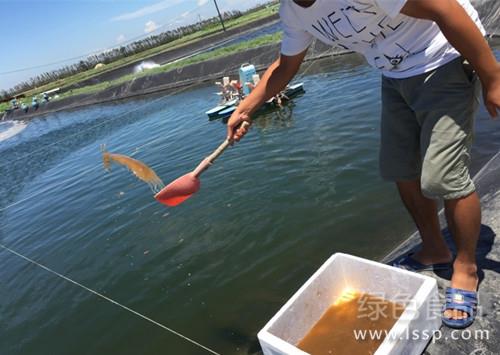
Shrimp feed feeding has its particularities: neither undereating nor overeating is acceptable
Neither undereating nor overeating is acceptable; shrimp feed feeding has many particularities
-

What are the propagation methods for sweet wormwood? Understanding sweet wormwood seedling cultivation in one article
Propagation methods for sweet wormwood
-

How to grow blackberry lily (Belamcanda chinensis)? These precautions should be understood in advance
Precautions for growing blackberry lily
条件筛选