What types of plant growth regulators are there? Understanding the classification in one article
What types of plant growth regulators are there? An introduction. Plant growth regulators refer to synthetic chemical substances with hormone activity. According to their growth effects on plants, they are divided into three major categories: plant growth promoters, plant growth retardants, and plant growth inhibitors. Plant growth promoters: mainly include...
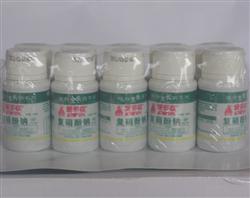
What types of plant growth regulators are there? An introduction
Plant growth regulators refer to synthetic chemical substances with hormone activity. According to their growth effects on plants, they are divided into three major categories: plant growth promoters, plant growth retardants, and plant growth inhibitors.
Plant growth promoters: mainly include auxins (ABT rooting powder, indoleacetic acid, alpha-naphthaleneacetic acid, 2,4-dichlorophenoxyacetic acid, 4-CPA, etc.), cytokinins (6-benzylaminopurine), brassinosteroids (brassinolide, epibrassinolide), gibberellins, forchlorfenuron, diphenylurea calcium sulfonate, etc. They promote cell growth, play a role in enlarging and increasing yield, and also have a fresh-keeping and storage-tolerant effect.
Plant growth retardants: mainly include paclobutrazol, uniconazole, chlormequat, brassinolide, Zhuangfengling, Weitaling, corn stem-strengthening agent, ethephon, etc. They can prevent excessive vegetative growth of plants, form dwarfed and sturdy plants, and resist lodging.
Plant growth inhibitors: can inhibit the growth of apical meristems, including abscisic acid, daminozide, maleic hydrazide, mepiquat chloride, triiodobenzoic acid, maleic hydrazide, etc. They control growth and inhibit flowering and bolting.
In use, they should be selected in a targeted manner according to the purpose. For example, in transplanting and cuttings, in order to promote rooting and survival, a 1000-2000 mg/L indoleacetic acid or naphthaleneacetic acid solution can be selected, soaking for 15 minutes, then transplanting or making cuttings; to promote growth and increase yield, gibberellin can be selected, and the concentration used varies with the crop. Spraying spinach at the 4-6 leaf stage with a 20 mg/L gibberellin solution can promote leaf enlargement. Spraying cucumber flowers with 50-100 mg/kg when female flowers open can increase the fruit-setting rate, accelerate fruit growth, promote early maturity, and increase yield. For celery, 15-20 days before harvest, spraying once with a 50-100 mg/L gibberellin solution can promote tender stems and reduce cellulose, and can increase yield by about 30%. For coriander, crowndaisy chrysanthemum, mustard, amaranth, fennel, etc., spraying 1-2 times with 20 mg/kg 10-20 days before harvest (at intervals of about 5 days) can increase yield by 15%-40%. For dwarf snap beans, spraying leaves with 10-20 mg/kg at the flowering stage can increase the pod-setting rate and increase early yield. For cucurbits, when the fruit is 11 cm long, spraying young fruits with a 20-60 mg/L gibberellin solution can promote rapid fruit expansion; for preserving flowers and fruits: 2,4-D and 4-CPA can be selected, with the concentration used being 15-25 mg/L for tomato and 20-40 mg/L for zucchini, eggplant, and pepper; for controlling vigorous growth and promoting sturdiness: chlormequat and paclobutrazol can be selected. When raising crop seedlings, use 15 kg of 250-300 mg/L chlormequat solution per 100 sq m to spray the seedbed; at the seedling stage, use 50 kg of 600-1000 mg/L chlormequat solution per mu to spray the whole plant; for inducing female flowers and ripening: ethephon can be selected. When cucumber has 2-4 true leaves, spray with 20-50 mg/L ethephon; when pumpkin has 2-4 true leaves, spraying with 150-200 mg/kg ethephon can promote earlier appearance of female flowers and increase the number of female flowers. At the early coloring stage of tomato, spraying green ripe fruits with 2000-3000 mg/L ethephon can advance red ripening by 5-7 days; for storage and fresh-keeping: 2,4-D can be selected. For Chinese cabbage, 3-7 days before harvest, spray with a 50 mg/L 2,4-D solution, until the outer leaves are thoroughly wet, which can prevent leaf dropping. For cabbage, 7 days before harvest, spraying with a 100 mg/L 2,4-D solution can extend the cold storage period by 90 days. For cauliflower, 3-5 days before harvest, spraying the outer leaves with a 100 mg/L 2,4-D solution can extend the time the outer leaves protect the curd.
Because plant regulators are highly targeted, when the dosage is small and accurate, the effects of increasing yield and income and improving quality are obvious. The dosage and method of use must be used according to the instructions or test results. Arbitrarily increasing the dosage will not only fail to achieve the goal, but often results in more loss than gain. Gibberellin and chlormequat and paclobutrazol have mutually inhibitory effects and can be used to relieve each other's phytotoxicity.
Click to get more regulator application techniques
Click to get more pesticide application techniques