What Is Mineral Oil? An Article to Help You Understand Mineral Oil
What is mineral oil? What does mineral oil do? We ask knowledgeable readers to help provide a detailed introduction. Mineral oil refers to natural-source insecticides obtained by distilling and refining petroleum according to different boiling points and viscosities. Common mineral oil products include 94%, 95%, and 99.1% emulsifiable concentrate products. Below, Zhongdiwang lists mineral oil in detail...
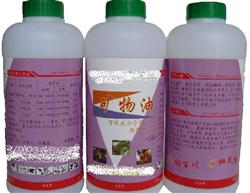 What is mineral oil? What does mineral oil do? We ask knowledgeable readers to help provide a detailed introduction.
Mineral oil refers to natural-source insecticides obtained by distilling and refining petroleum according to different boiling points and viscosities. Common mineral oil products include 94%, 95%, and 99.1% emulsifiable concentrate products. Below, Zhongdiwang lists the effects and usage methods of mineral oil in detail for readers' reference.
Effects of mineral oil:
Effect One:Mineral oil mainly forms an oil film on the insect body and enters the egg's spiracles and the spiracles and tracheae of larvae, pupae, and adults through capillary action, suffocating insects and mites to death, so pests do not develop resistance to it.
Effect Two:Mineral oil can penetrate pest eggshells and interfere with the metabolism and respiratory system of eggs. Killing eggs is effective for controlling outbreak pests such as tobacco whitefly, greenhouse whitefly, and diamondback moth.
Effect Three:Generally, phytophagous insects and mites feed and lay eggs only on certain specific plants. They use sensory receptors on their antennae, mouthparts, legs, or abdomen to detect the chemical substances of host plants, thereby identifying plants. When the oil film covers the sensory organs and the plant surface, insects cannot identify host plants, thus reducing pest feeding and egg-laying on host plants.
Effect Four:Mineral oil can destroy the cell walls of pathogens and interfere with fungal respiration. It also interferes with the attachment of pathogens to host plants. Spray oil not only controls mycelium but is also more effective at preventing spore germination and infection. In the control of powdery mildew, oil acts through the most basic physical contact and has eradicant and protective effects. It also works stably at lower temperatures and kills powdery mildew spores within a moment of contact, so mineral spray oil has been widely used for powdery mildew control.
Effect Five:After mineral oil is applied, the oil film blocks the pest's sensory receptors so that the pest cannot identify the host plant, thereby achieving a repellent effect; the oil film sprayed on crop leaves can repel pests from laying eggs and feeding, with an effective period of up to 14-30 days; at the same time, mineral oil can interfere with fungal respiration and suffocate pathogens.
Effect Six:Mineral oil can be mixed with chemical pesticides. It can improve the adhesion of the spray solution and help insecticides penetrate the waxy layer on plant surfaces, thereby increasing the effect of chemical pesticides. Mineral oil can enhance penetration through the pest's epidermis, maintain the stability of chemical pesticides after they are sprayed onto plants, and reduce volatilization and droplet drift. For example, when mixed with abamectin, it improves penetration and translocation, increases retention time on crops, thereby significantly enhancing efficacy and also increasing ovicidal activity, for controlling leafminers, psyllids, whiteflies, and lepidopteran pests.
Usage methods of mineral oil:
1. For evergreen fruit trees such as citrus and Chinese bayberry in winter and early spring (citrus before budding, Chinese bayberry before flowering), and for tea trees in autumn, spray with mineral oil at a 500-600 times dilution.
2. For deciduous fruit trees such as peach, pear, plum, apple, and grape after winter pruning and before spring bud break, spray with mineral oil at a 500-600 times dilution.
3. For poorly managed orchards or tea gardens with severe disease and pest occurrence, spray with mineral oil at a 250-300 times dilution. When spraying, fine spraying is required, covering the canopy from top to bottom and inside to outside thoroughly, until the leaves and branches drip.
4. For controlling moss disease, gummosis, anthracnose, and bacterial shot hole, mineral oil at a 300 times dilution can be sprayed on crops for control.
5. For controlling powdery mildew on roses or tomatoes, spray 0.3% mineral oil once every ten days.
Precautions for mineral oil:
1. Avoid using mineral oil during the flowering period of plants. Application during flower bud differentiation and the bud stage should be done with caution to prevent phytotoxicity.
2. Avoid using mineral oil during high-temperature periods above 35°C to avoid phytotoxicity.
Effects of trichlorfon
What are the effects of chlorantraniliprole?