Is Forchlorfenuron a swelling agent? You'll understand after reading this
Is Forchlorfenuron a swelling agent? How should Forchlorfenuron be used properly? We'd also like knowledgeable readers to share their guidance. What is commonly called a swelling agent in daily agriculture refers to the plant growth regulator Forchlorfenuron, but some readers are not very familiar with Forchlorfenuron, so Zhongdi Network has compiled the crops and usage methods for Forchlorfenuron, listed in detail below...
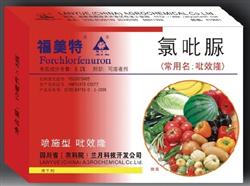 Is Forchlorfenuron a swelling agent? How should Forchlorfenuron be used properly? We'd also like knowledgeable readers to share their guidance
What is commonly called a swelling agent in daily agriculture refers to the plant growth regulator Forchlorfenuron, but some readers are not very familiar with Forchlorfenuron, so Zhongdi Network has compiled the crops and usage methods for Forchlorfenuron, listed in detail below for readers' reference.
How Forchlorfenuron works:
Forchlorfenuron has cytokinin activity. Its main effects are the same as those of the purine-type cytokinins 6-benzylaminopurine and kinetin, but the activity of Forchlorfenuron is 10 to 100 times higher than other products. Forchlorfenuron can promote cell division, differentiation and expansion, and promote organ formation and protein synthesis. When applied to melon and fruit plants, it promotes flower bud differentiation and has a remarkable effect on preventing physiological fruit drop. Forchlorfenuron can also increase the fruit-setting rate of crops and make crop fruits swell.
How to use Forchlorfenuron:
1. Kiwifruit: About 20 to 25 days after kiwifruit petals fall, use 5-20 milliliters of 0.1% Forchlorfenuron soluble liquid, dilute with 1 kilogram of water (the concentration is best at 5-20 milliliters/kilogram), then dip the young fruit once, which can make the kiwifruit swell and increase yield, with no adverse effect on fruit quality.
2. Watermelon, cucumber: On the day of flowering or the day before, use 10-20 milliliters of 0.1% Forchlorfenuron soluble liquid, dilute with 1 kilogram of water (the concentration is best at 5-20 milliliters/kilogram), then smear it on the fruit stalk, which can increase the fruit-setting rate and increase yield, with no adverse effect on fruit quality.
3. Grape: 10 to 15 days after grape petals fall, use 10-20 milliliters of 0.1% Forchlorfenuron soluble liquid, dilute with 1 kilogram of water (the concentration is best at 5-20 milliliters/kilogram), then dip the young fruit cluster once, which can make the grapes swell and increase yield, with no adverse effect on fruit quality.
4. Melon: Use 10-20 milliliters of 0.1% Forchlorfenuron soluble liquid, dilute with 1 kilogram of water (the concentration is best at 5-20 milliliters/kilogram), then dip the melon buds or dip the melon ovaries, which can regulate melon growth and promote increased melon yield.
5. Navel orange: Before physiological fruit drop of navel orange, use 10-20 milliliters of 0.1% Forchlorfenuron soluble liquid, dilute with 1 kilogram of water (the concentration is best at 5-20 milliliters/kilogram), and apply once each to the fruit stalk and the nectary 3 to 7 days after navel orange petals fall and 25 to 35 days after petals fall, which can increase the fruit-setting rate.
Precautions for using Forchlorfenuron:
1. When using Forchlorfenuron, it should be applied according to the application period, method and concentration. Because too high a concentration can cause hollow fruit, deformed fruit, etc.
2. Forchlorfenuron can be mixed with gibberellin and other pesticides.
3. After dilution with water, Forchlorfenuron should be used the same day and should not be left standing for long because leaving it standing will reduce its efficacy.
4. Forchlorfenuron is volatile and flammable, and should be stored sealed in a cool, dry, ventilated place.
5. The pre-harvest interval after using Forchlorfenuron on kiwifruit, loquat and grape should be no less than 30 days; the pre-harvest interval after using Forchlorfenuron on watermelon cannot be less than 40 days.
What is gibberellin (920)
What to pay attention to when using plant growth regulators