-
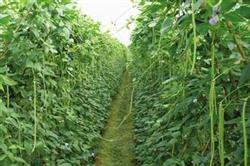
Field management of winter-planted beans is crucial, and growers should pay close attention to it.
For raising bean seedlings, direct sowing was mostly used in the past; on the basis of fully protecting the roots from cold damage, it ensures uniform and strong seedlings; it allows early sowing, early harvest, and an earlier market launch. In production, nutrient pots are mostly used for raising seedlings, and 50-cell plug trays can also be used, sowing 2~3 seeds per cell, watering thoroughly, and controlling the temperature reasonably. The seedling age is about 25 days...
-
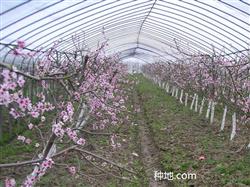
How should peach trees be fertilized to be scientific and reasonable?
You are getting ready to fertilize your peach trees. How should you fertilize them in a scientific and reasonable way? There are several key points for fertilizing peach trees: (1) Early topdressing: apply fertilizer before bud break and in the early stage of fruit development; the first application should mainly be quick-acting nitrogen fertilizer, and the second should be a nitrogen-phosphorus-potassium compound fertilizer or a special fruit tree fertilizer. (2) After harvest...
-
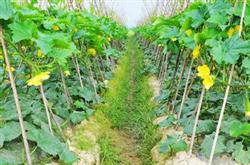
Vining management of winter melon should be carried out reasonably according to plant growth.
Winter melon has the effects of lowering blood pressure, protecting the kidneys, reducing weight and blood lipids, and beautifying the skin. Eating winter melon regularly is very beneficial to human health, especially for obese people. Below is an introduction to the cultivation methods of winter melon. 1. Field selection: choose sandy loam soil that faces the sun, drains well, has deep soil, and is rich in organic matter...
-
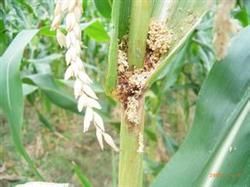
Why Spring Corn Fertilization Should Be Light Early and Heavy Late
The corn borer, also known as the corn stalk borer. Spring corn is currently at the late whorl stage (funnel stage), and this period is the best time to control the corn borer. At the funnel stage, most newly hatched corn borer larvae crawl into the leaf whorl tube and feed on the mesophyll of the not yet unfolded leaves, and spraying at this stage makes it easy for the spray liquid to enter the leaf whorl tube, improving control effect...
-
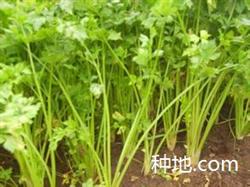
How should celery grown in a greenhouse be watered and fertilized?
How should celery grown in a greenhouse be watered and fertilized? Nitrogen deficiency in celery not only stunts plant growth and produces small leaves, but also makes the petioles prone to becoming hollow. Phosphorus deficiency in the early stage and potassium deficiency in the later stage have a relatively large impact on celery yield and quality. Celery is very sensitive to boron fertilizer, and boron deficiency causes stem splitting. Greenhouse celery should be...
-
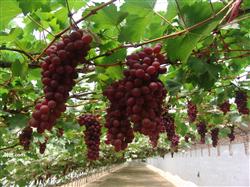
How should greenhouse grapes be grown to achieve good quality?
How should a greenhouse vineyard be planted for good quality? I would like some advice. Growing grapes in a greenhouse can raise the selling price of grapes. But some fruit growers often fail to pay attention to improving the appearance quality of the grapes during operation, which affects the economic benefits of greenhouse grapes. Through several years of planting observation, we have found that the appearance quality of greenhouse grapes should be improved by starting from the following aspects...
-
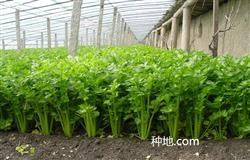
What should be noted when growing celery?
What should be noted when growing celery? There are the following technical points for growing celery: Sowing methods The commonly used sowing methods include dry seed direct sowing and seed soaking and sprouting before sowing. The dry seed direct sowing method is simple, and the seed sprouts are less likely to be damaged under adverse environmental conditions, but emergence is slow; with seed soaking and sprouting before sowing, emergence is faster and the seedlings are uniform. Before sowing, the seedbed should first...
-
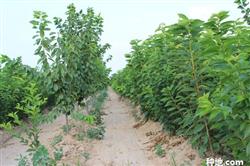
What should you pay attention to when growing sweet cherries? Keep these cultivation points in mind
What should you pay attention to in sweet cherry cultivation? Seek advice: trial planting first, then expansion. Sweet cherries like warmth and are not cold-tolerant, drought-tolerant, or waterlogging-tolerant, and they fear strong winds, so they are suitable for cultivation in areas with an annual average temperature of 10°C~15°C. Practice has shown that when the annual average temperature is above 15°C, sweet cherries often bloom heavily but set little fruit. For introducing and developing sweet cher...
-
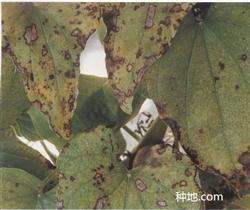
What causes yam plant death, and how should it be prevented and controlled?
Yam plant death has now been found to be very serious. What causes yam plant death and how should it be treated? The main causes of severe yam plant death are fusarium wilt, anthracnose and brown rot. These three diseases are mainly spread through rainwater and irrigation, and the current period of high temperatures and frequent rain also creates conditions for the occurrence of these three diseases....
-
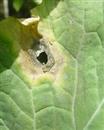
What three things should be noted in spring management of dryland rapeseed?
Sclerotinia rot of rapeseed is a major disease harming rapeseed, and its control must be taken seriously to reduce the damage and minimize losses. Symptoms: when the disease occurs, the lesions on rapeseed leaves are round or irregular, grayish brown or yellow-brown in the center, dark bluish in the middle, with a yellow halo on the outer edge. When dry, the lesions rupture and perforate; under humid conditions...
条件筛选