-
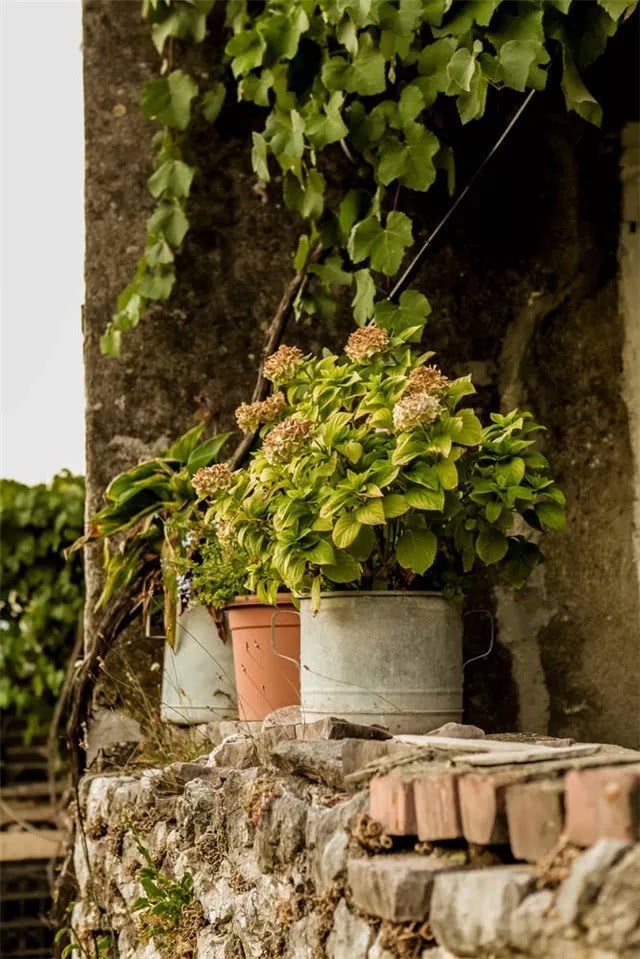
What Should You Do When Your Flowers Keep Getting Sick? Find the Cause and Even Gardening Beginners Can Treat the Problem Correctly
In the plant world, almost every plant will contract pests and diseases; it is just that some show fewer obvious signs and suffer lighter damage from pests and diseases. This is the same principle as countless bacteria living in our bodies. Oh... as soon as you mention pest bacteria, it...
-
How should pesticides be used for pest and disease control in organic asparagus?
(1) Pests and diseases Common asparagus diseases include damping-off, stem blight and anthracnose; the main insect pests are beet armyworm, cabbage moth, cotton bollworm, corn borer, aphids, planthoppers, and soil-dwelling pests such as cutworms and white grubs. (2) Control methods In the production process, starting from the entire ecosystem of crops, pests, diseases and weeds...
-
Chestnut trees should be supplemented with zinc and boron fertilizer promptly after harvest
At present, the yield of most chestnut orchards is not high, with only 4-5 kg per tree. Many bearing chestnut trees have burrs but no nuts (that is, empty burrs). The reason, apart from extensive management, is largely related to the failure to apply or spray zinc and boron. Practice has proven that supplementing with soil application and foliar spraying of zinc and boron micro-fertilizers after chestnut harvest promotes flowering, differentiation, improves flower quality, and ensures...
-
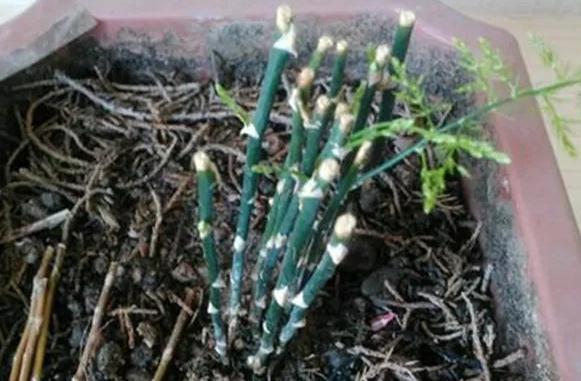
To grow flowers well, you must be willing to prune. These 3 kinds of flowers should be pruned once a month; the more you trim, the more vigorously the branches and leaves grow.
Potted flowers and plants have now become a part of everyone's life. They can not only beautify the home environment, but also delight the mood of the grower. It can be said to be a very meaningful thing. However, not everyone can grow flowers well...
-
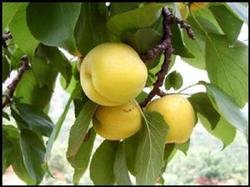
What causes rotten fruit in greenhouse apricots? How should it be handled?
Causes of rotten fruit: Insufficient light in the greenhouse. During prolonged overcast days or rain and snow, dust accumulates on the surface of the greenhouse film, resulting in insufficient light and excessive humidity inside the greenhouse. Young fruit growing for a long time in dark, damp air is prone to rot. Excessive temperature in the greenhouse: During the young fruit stage of apricots, if the temperature inside the greenhouse exceeds 28°C...
-
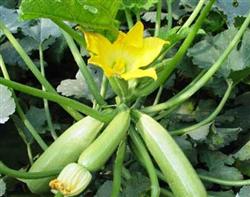
Why should hormone growth regulators not be used to control excessive growth in overwintering zucchini?
For zucchini seedlings, the seedling age should preferably be about 45 days (5 true leaves). Sow seeds at a spacing of 3.3 cm between plants and rows, cover the seeds with about 3 cm of soil, and transplant at a spacing of about 10 cm between plants and rows. For seedbed temperature control, from sowing to emergence, maintain a daytime temperature of 25-28°C and a nighttime temperature of about 12-15°C. After emergence in 3 days, the daytime temperature should be lowered to...
-

Three measures to control excessive vigor in zucchini; growers should do this
1. Soak seeds in 10% trisodium phosphate solution for 20 minutes, or in 55°C warm water for 30 minutes. 2. In the early stage of disease, use 1.5% Zhibingling emulsifiable concentrate at 1000 times dilution, or 20% Virus A wettable powder at 500 times dilution, or NS-83 resistance enhancer at 100 times dilution, or 0.5% Antiviral Agent No. 1 at 250-300 times dilution, or 1000 times potassium permanganate solution...
-
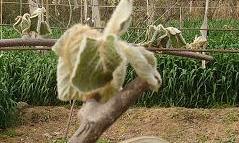
Protect kiwifruit from frost damage in spring, growers should prepare early
In recent years, the "late spring cold" phenomenon has been extremely prominent. Spring frost damage is one of the disastrous weather events that causes few kiwifruit buds to sprout, poor pollination, a low fruit-setting rate, delayed growth period, and setbacks to high yield and increased income. Preventing spring frost damage to kiwifruit is an important part of spring management work for kiwifruit. Recently, the reporter went to Shaanxi...
-
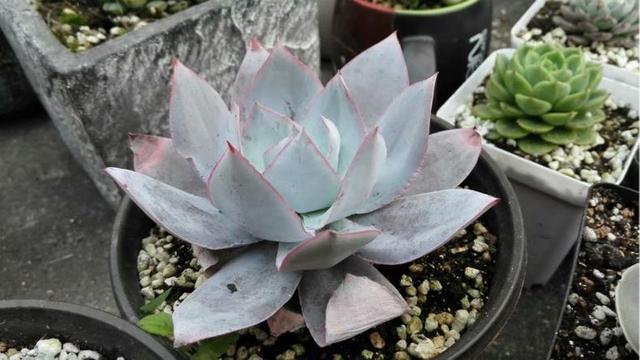
Should potted plants be repotted? Stop agonizing over it
Generally, we choose to repot succulents about once every two years, and it is of course even better if you can repot them once a year; the specific number of repottings still depends on the plant's growth conditions. During the growth process of succulents...
-
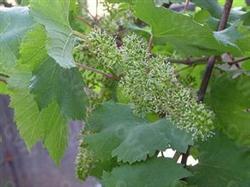
What precautions should be taken when thinning grape flower clusters?
1. The purpose of thinning grape flower clusters: it further adjusts the yield on the basis of bud removal and shoot thinning, achieves a reasonable load on the vine, saves nutrients, and improves fruit set rate and fruit quality, so as to achieve the goal of producing high-quality, high-efficiency grapes. 2. The timing of grape flower thinning: when the number and size of the flower clusters on the new shoots can be clearly distinguished, ...
条件筛选