Protect kiwifruit from frost damage in spring, growers should prepare early
In recent years, the "late spring cold" phenomenon has been extremely prominent. Spring frost damage is one of the disastrous weather events that causes few kiwifruit buds to sprout, poor pollination, a low fruit-setting rate, delayed growth period, and setbacks to high yield and increased income. Preventing spring frost damage to kiwifruit is an important part of spring management work for kiwifruit. Recently, the reporter went to Shaanxi...
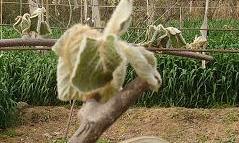
In recent years, the "late spring cold" phenomenon has been extremely prominent. Spring frost damage is one of the disastrous weather events that causes few kiwifruit buds to sprout, poor pollination, a low fruit-setting rate, delayed growth period, and setbacks to high yield and increased income. Preventing spring frost damage to kiwifruit is an important part of spring management work for kiwifruit.
Recently, the reporter went to Louguan Town, Zhouzhi County, Shaanxi Province, for an interview. Cao Yaobin, chairman of the Zhouzhi Kiwifruit Branch of the Shaanxi Fruit Industry Association, told the reporter that before April 20 on the solar calendar each spring, that is, before Grain Rain, is the period when spring frost damage to kiwifruit occurs most frequently. If a kiwifruit orchard is in a wind gap area or low-lying area, the possibility of a "late spring cold" occurring the following spring is quite high. Growers should pay attention to local weather forecasts at any time and take necessary and effective preventive measures and methods in a timely manner, and should not harbor any fluke mentality.
So what clever measures are there for preventing spring frost damage to kiwifruit? Chairman Cao told the reporter: First, based on the weather forecast at the time, spray water on the tree canopy at the appropriate time, which can delay young bud sprouting by 5-7 days. If a diluted premium rare earth fertilizer solution is sprayed, it can improve the stress resistance of kiwifruit and play a role in cold resistance, frost resistance, flower and fruit preservation, and improving the pollination rate during the flowering period. Second, before spring frost damage occurs, spray the kiwifruit shoots with 3%-5% salt water, which can effectively lower the freezing point and reduce frost damage. Third, spray frost-prevention products before frost damage arrives or after frost damage occurs, which can prevent and control frost damage, repair cell membranes, restore cell activity, and reduce the invasion of pathogens. Fourth, irrigate before freezing. The irrigation time must be before the temperature drops, and drain promptly after irrigation. If irrigation is combined with applying human feces and urine, the effect is even better. Fifth, use smoke to increase temperature and keep warm to prevent freezing. Prepare chaff, sawdust, firewood and grass, and other smoke-producing flammable materials in the orchard, with one pile every 10 m, and after 10 p.m. on the night before the cold current arrives, ignite the flammable materials. Sixth, cover the tree disk. In winter, cover around the tree disk with wheat straw, rice straw, corn stalks, and other materials to a depth of 10-20 cm, which can increase soil temperature. Seventh, wrap the tree body. Before a major freeze arrives, wrap the main trunk and main branches with rice straw, which can effectively prevent the invasion of cold currents. The following spring, remove the rice straw and burn it in a centralized manner, which can both prevent freezing and eliminate overwintering pests.