-
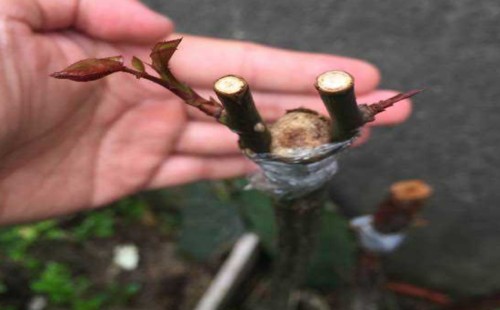
How to graft a tree-standard rose? Detailed methods and steps
The rose is a clumping shrub that does not grow an obvious main trunk, and to cultivate a rose bonsai with tree-standard characteristics, grafting is often the means used to achieve it. The tree stock used for grafting roses is mostly rose rootstock (Rosa multiflora), and the rootstock is required to grow vigorously, have a well-developed root system, and be free of pests and diseases.
-
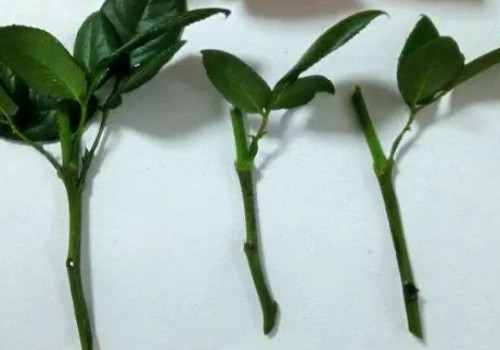
Rose cuttings that sprout too early should have the sprouts pinched off
The rose is a flowering plant that roots very easily from cuttings, but taking cuttings still requires some skill, otherwise it may sprout prematurely without having rooted. Usually, the earlier a rose cutting sprouts, the lower the survival rate tends to be, and ultimately the cutting may wither and die, causing the propagation to fail
-

What to Do About False Growth in Rose Cuttings? A Few Remedies to Teach You
Roses root and survive from cuttings very easily, but beginners still run into the phenomenon of false growth during the cutting process. How to tell whether a rose cutting has truly taken root or is only showing false growth is often a rather headache-inducing problem. False growth looks like the cutting has survived, but in fact it is not survival in the true sense. So
-
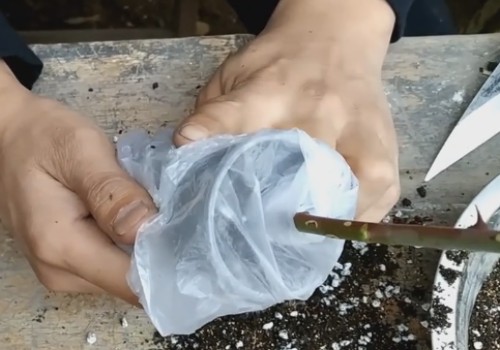
How long does it take for rose air layering to root?
Ground-planted roses often produce a great many basal shoots. In spring, we can transplant the rose into a flower pot. Then let it grow in the pot for one year, and when the basal shoots grow to 2 cm in thickness, we can cut off the surplus branches for air layering propagation, and grow them into tall standards for grafting to improve new varieties
-
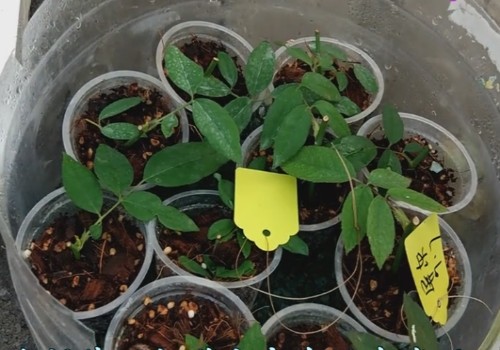
How to propagate roses by cuttings to improve the survival rate
Actually, this method is very simple too: use an oil drum to propagate roses by cuttings, and the survival rate can reach 99%, with the young plants growing really strong. If you have never tried it, as long as you follow the editor's method for cuttings, the survival rate can reach at least 95%, and even 100% is possible.
-
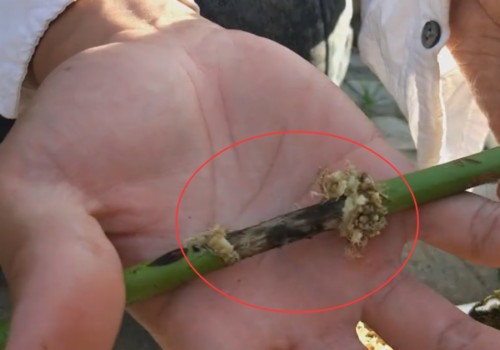
What to Do If Roses Fail to Root After Cutting or Air Layering
There are many propagation methods for roses, among which cutting and air layering are relatively more efficient and have a higher survival rate. However, sometimes we find that whether it is a cut rose or an air-layered rose, we often only see callus tissue but no roots. So in this case
-
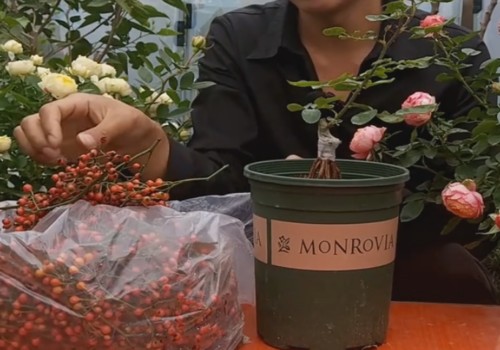
How long after sowing thornless roses can you graft roses onto them?
It is often said that autumn is the season of harvest, and that is absolutely true. The fruits produced by thornless roses (Rosa multiflora) are ready to be harvested, and they can be sown to breed rose seedlings. As everyone knows, roses are an excellent rootstock material for grafting roses.
-
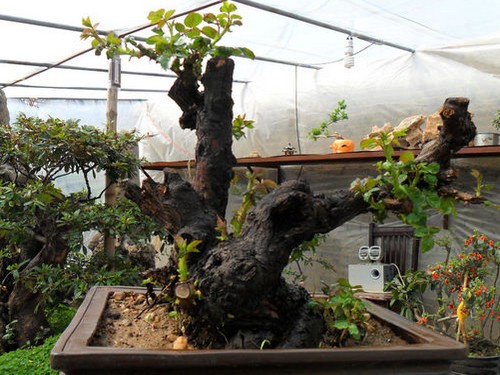
Detailed Explanation of Field Collection and Grafting Techniques for Old-Stump Rose Bonsai
Every spring, go to hillsides and ditches to dig up wild rose (Rosa multiflora) stumps with unusual shapes and naturally tapering tips. After the stumps are collected, cut the roots and trunks into place as much as possible, and plant them in plain sandy soil mixed with a little sawdust; either pot planting or ground planting is fine. Cover the whole stump with a plastic bag, and after new shoots grow 3-5cm, choose a rainy day to remove the plastic bag.
-

Methods and Tips for Growing Potted Rose Flowers
Rose flowers are a common type of flowering plant. Generally speaking, in home settings they are mainly grown in courtyards, balconies, and similar places. Rose flowers are common and deeply loved by people, so what are the methods for growing rose flowers? Below, the editor will teach you how to grow rose flowers, so you can create a fresh and natural home environment.
-
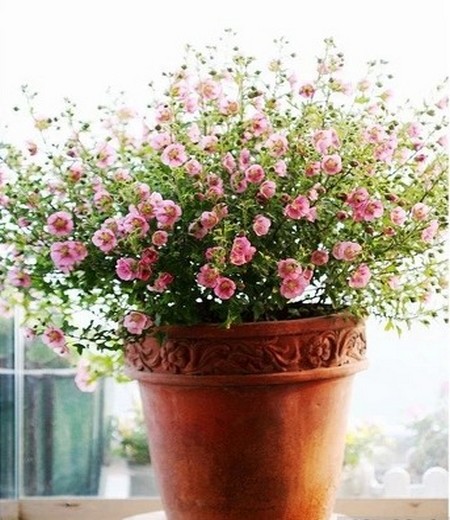
How to grow rose of Sharon? Mastering these care points is key
Rose of Sharon blooms in summer and autumn, with a very long flowering period, and has many varieties and cultivars with different flower colors and flower forms. It is an excellent ornamental flowering tree for gardens. It is often used as hedges and foundation planting material, suitable for mass planting on lawns, roadsides or forest edges, and can also be used as a green hedge or planted together with other flowering trees and shrubs. Because its branches are soft and tolerant of pruning
条件筛选