How to grow rose of Sharon? Mastering these care points is key
Rose of Sharon blooms in summer and autumn, with a very long flowering period, and has many varieties and cultivars with different flower colors and flower forms. It is an excellent ornamental flowering tree for gardens. It is often used as hedges and foundation planting material, suitable for mass planting on lawns, roadsides or forest edges, and can also be used as a green hedge or planted together with other flowering trees and shrubs. Because its branches are soft and tolerant of pruning, it can be shaped into bonsai or potted plants. At the same time, it also has strong resistance, and is also an excellent tree species for greening factories and mines.
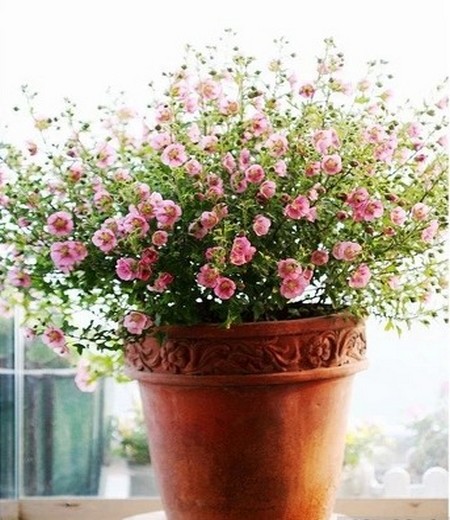
Care points:
Deciduous shrub, 3~4 m tall. Leaves rhombic to triangular-ovate, flowers solitary resembling those of mallow, in colors such as light purple, red, white and pink, opening in the morning and falling at dusk, edible. Management is relatively extensive. It prefers a warm, humid climate, but is also very cold-hardy. It likes light and tolerates partial shade. It is drought-tolerant and not tolerant of waterlogging. It has strong adaptability and is not demanding about soil, able to grow normally in poor gravelly soil or slightly alkaline soil, but deep, fertile, loose soil is best. It has strong sprouting ability and tolerates pruning. Keep the soil moist during the growing season. Apply fertilizer once before spring sprouting, and during the flowering period from June to October, apply phosphorus fertilizer twice. Control the plant shape and tree form through pruning; it is best to prune branches to 2 chi high in winter, then prune once more in March, but do not prune too much. Transplanting is best done after leaf fall.
Daily care methods:
1. Soil: Rose of Sharon has strong adaptability and is not demanding about soil, able to grow normally in poor gravelly soil or slightly alkaline soil, but deep, fertile, loose soil is best.
2. Watering: During the growing period of rose of Sharon, keep the soil moist. During long periods of drought without rain, irrigation should be noted, and when there is too much rain, drainage should be done to prevent waterlogging.
3. Sunlight: Rose of Sharon likes light and tolerates partial shade. During the growing period, make sure to provide sufficient light, but it is not suited to overly intense light; when the sun is too strong, pay attention to shading.
4. Temperature: Rose of Sharon prefers a warm climate. It grows best at 18-25°C and is slightly tolerant of cold.
5. Fertilizing: When rose of Sharon begins to sprout, timely topdressing should be applied, mainly with quick-acting fertilizer, to promote vegetative growth; before bud formation, apply 1-2 topdressings of phosphorus and potassium fertilizer to promote bud formation; during the full flowering period from May to October, combine weeding and earthing up with two topdressings, mainly phosphorus and potassium fertilizer supplemented with nitrogen fertilizer, to maintain the amount of flowers and tree vigor.
What to do if rose of Sharon leaves turn yellow?
1. Pay attention to watering
Rose of Sharon does not have high water requirements. During the growing period, keeping it moist and not dry is enough. However, if watering is too little, or if drainage is neglected on rainy days and there is too much water, it can cause the leaves of rose of Sharon to turn yellow and drop. So even though rose of Sharon is not strict about water, we should still pay attention to maintaining proper water supply and management.
2. Fertilize reasonably
Many people hope rose of Sharon will grow vigorously and bloom more, so they pay attention to fertilizing it. In fact, reasonable topdressing for rose of Sharon mainly with phosphorus and potassium fertilizer, supplemented with nitrogen fertilizer, is enough. If too much or too concentrated fertilizer is applied, it becomes troublesome instead. The most obvious effect is burning the root system, causing leaves to turn yellow and fall off. So if yellowing and dropping of rose of Sharon leaves occur after fertilizing, pay attention to checking whether the problem is fertilizer that is too concentrated.
3. Spray to kill aphids
Aphids are a very common pest and are also dangerous to the growth of rose of Sharon. Aphids suck a lot of leaf sap; once the leaf sap on the leaf surface is sucked dry, the leaves slowly turn yellow. So when leaves turn yellow, you should also check whether aphids are causing trouble. If so, you can spray with a 1000-fold dilution of 40% omethoate emulsifiable concentrate.