How do you prevent and control Phytophthora blight in pumpkin cultivation?
How do you prevent and control Phytophthora blight in pumpkins? Why does pumpkin Phytophthora blight occur? Please explain that pumpkin Phytophthora blight is mainly more severe in spring pumpkins, especially in rainy years with poor drainage, often causing large areas of rotten pumpkins. Besides harming pumpkins, this disease can also harm cucumbers, bottle gourds, watermelons, etc., and often occurs mixed with Fusarium wilt....
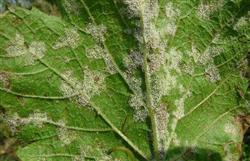 How do you prevent and control pumpkin Phytophthora blight? Why does pumpkin Phytophthora blight occur? Please explain
Pumpkin Phytophthora blight is mainly more severe in spring pumpkins, especially in rainy years with poor drainage, often causing large areas of rotten pumpkins. Besides harming pumpkins, this disease can also harm cucumbers, bottle gourds, watermelons, etc., and often occurs mixed with Fusarium wilt.
Pumpkin Phytophthora blight mainly overwinters in the soil as mycelium, oospores or chlamydospores with diseased plant residues, becoming the primary infection source for the following year. It spreads through irrigation water, airflow, wind and rain, and seeds can also transmit the disease, but the seed-borne infection rate is not high. When mycelium contacts the host, or when oospores or chlamydospores that have spread onto the host germinate, they directly penetrate the epidermis and invade the host, causing pumpkin disease. Under humid conditions, diseased plants can produce sporangia on the lesions, and the sporangia or the zoospores they germinate can cause secondary infection through wind and rain, airflow and irrigation water, spreading the disease further.
Pumpkin Phytophthora blight has a wide temperature adaptation range, capable of growing and developing at 9-37°C, but the optimum temperature is 28-30°C. The key factor for disease occurrence is temperature. In the south, May to June is the rainy season, and it is also the pumpkin fruiting period, which easily causes large areas of rotten pumpkins.
Pumpkin Phytophthora blight can be prevented and controlled by referring to the following methods:
1. Seed disinfection: Soak seeds in a 100-fold dilution of 40% formaldehyde for 30 minutes, rinse clean, then germinate and sow; or coat seeds with a 1:50 dilution of Celest seed treatment agent.
2. Agricultural control: Practice a 2-3 year rotation with non-cucurbit crops; where conditions permit, cover with plastic film to block soil-borne pathogens from splashing onto plants and reduce infection opportunities; use high ridge planting to avoid waterlogging; control moisture during the seedling stage, and after fruiting keep the soil alternately dry and moist; once Phytophthora blight is found, reduce watering to the minimum to control disease spread. At the same time, strengthen drainage, intertillage and other management work.
3. Chemical control: Once diseased plants are found, spray immediately for control. From the seedling stage to the early growth stage, use a 600-700 fold dilution of 72.2% Previcur water agent, or spray or drench with an 800-fold dilution of Kocide 2000. At the mature plant stage, spray or drip onto the pumpkins with a 1:0.8:200 Bordeaux mixture, or drip onto the pumpkins with a 2000-fold dilution of iprodione. When disease centers are found, promptly remove diseased leaves and diseased pumpkins, and spray comprehensively for protection, applying once every 7-10 days; when the disease is severe, spray once every 5 days, for 3-4 consecutive sprays.
Click to get more pumpkin cultivation techniques
Click to get more vegetable cultivation techniques