Thick leaves, deep leaf patterns, and fast flower spike emergence in clivia all depend on this little trick
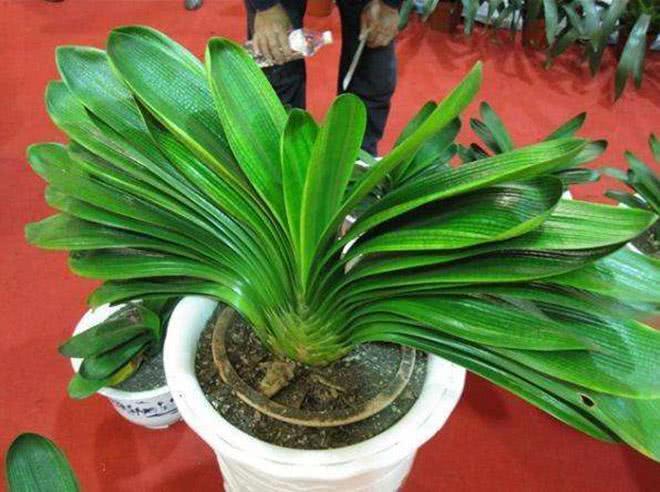
Many people love growing clivia, but few grow it well. Many flower enthusiasts ask, how can we grow clivia well? We need to talk about it from several aspects
1. If you want clivia to grow well, fertilizer and water must keep up. The soil should be loose, breathable, and fertile. The soils currently on the market that are more suitable for clivia include leaf mold soil and pine needle soil. These are relatively rich in nutrients, loose, and breathable, and are very beneficial for the extension of clivia's root system. But there is one condition: do not let it lack water
2. If you want clivia to grow well, you need to fertilize it regularly. During clivia's growing season, apply thin fertilizer twice a month. Be sure to apply thin fertilizer frequently, so the roots can always feel the presence of fertilizer without it being too concentrated. Only then will its root system grow well
3. Do not grow clivia in a large pot. Repot it once a year. When repotting, add some base fertilizer. Bone meal, cake fertilizer, etc. can be used as base fertilizer. Do not add too much. Usually apply more thin fertilizer. Only this meets clivia's growth needs
4. If the temperature is too high in summer, clivia will have a dormant period. At this time, we can place it in a shaded place, keep the potting soil slightly moist, and let it rest quietly. It can also be placed in a cool environment, where it will continue to grow,
5. By autumn, clivia's growing period has arrived. At this time, do not move clivia indoors too early. Let it grow for a period in an environment with a large temperature difference between day and night, which is beneficial for sending up flower spikes and blooming in winter