-

-
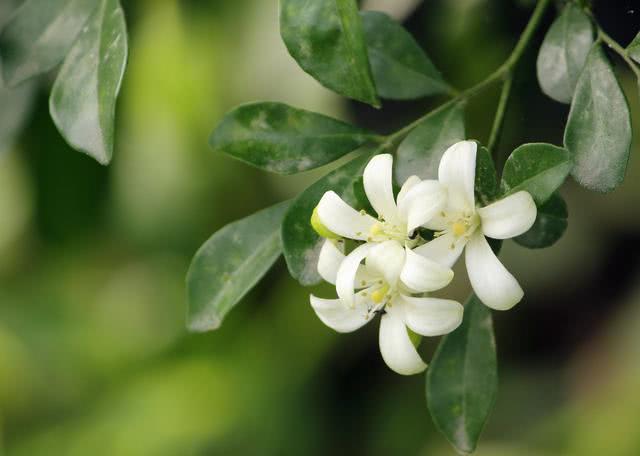
Caring for orange jasmine (Murraya paniculata) is very simple; master these few points and it will bloom abundantly and make everyone envious.
Everyone is probably not very familiar with the orange jasmine plant; what you have likely heard more about is the mock orange (Murraya paniculata). It is an evergreen shrub, but it can also be used as a medicinal herb. So keeping it at home is quite suitable. Of course, since it is being grown...
-
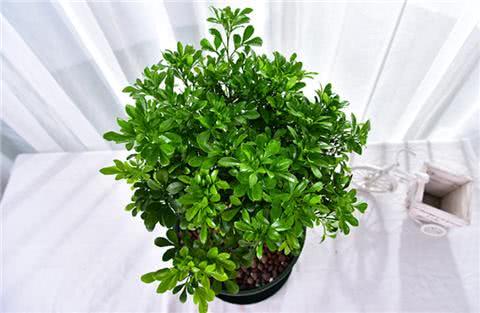
Watering Tips for Orange Jasmine (Aglaia odorata): Blooms in All Four Seasons, Dense and Deep Green
Orange jasmine has small, dense, deep green leaves, an elegant tree shape, and rice-shaped yellow flowers with a rich fragrance. To grow orange jasmine well, you need to master the watering method - neither too much nor too little will do; watering should keep the potting soil slightly moist. Below we introduce the...
-
Cultivation Techniques for Early Fruiting and High Yield of Navel Orange in the Third Year After Planting
Navel orange fertilization includes soil fertilization and foliar topdressing, with soil fertilization being the main method. (1) Soil fertilization: Soil fertilization should not only help the root system absorb nutrients as quickly as possible, but also prevent the root system from suffering fertilizer damage. Therefore, fertilization should be adapted to the time, the tree, and the fertilizer. Adhere to shallow application for shallow roots, deep application for deep roots, shallow application in spring and summer, and in autumn and winter...
-

Four Key Measures for High-Quality Cultivation of Navel Oranges
Four Measures for Cultivating High-Quality Navel Oranges
-
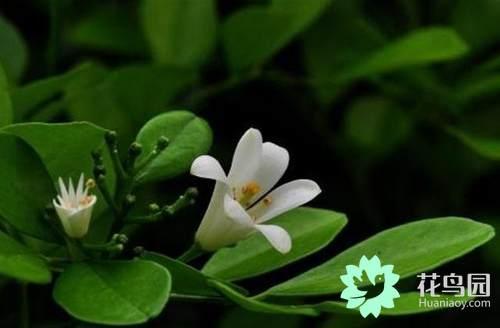
How to Plant and Care for Orange Jasmine
Orange jasmine, also known by many other names such as chili pepper and "guoshanxiang," is a flower native to the tropical and subtropical regions of Asia. It is a very common green shrub and an ornamental plant, so orange jasmine kept as a potted plant at home is also very popular. After orange jasmine blooms, it is very white and beautiful, and it carries a rich fragrance, making it very suitable for growing at home, and it can also bring a very good decorative effect. How should orange jasmine be planted, and how should it be cared for? Do you know?
-
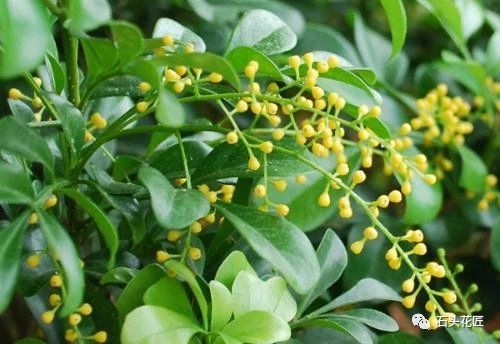
Give the orange jasmine a little beer and it will grow vigorously, with glossy leaves and nonstop blooms
Speaking of orange jasmine (Murraya paniculata), as a woody flowering plant it is a very easy plant to grow. This season is exactly when it blooms, and not just once, but continuously from June to October, flowering and fading over and over, so in terms of care you need to pay special...
-
Detailed Explanation of Key Management Techniques for Navel Orange in June
How to manage navel orange in June? Please provide a detailed introduction to the management methods. The main points of navel orange management in June are as follows: I. Management of mature trees 1. Continue to remove summer shoots to protect fruit. 2. Weed and loosen the soil, and mulch the tree disc for mature trees with smaller canopies that have not yet closed their rows. 3. Continue to prevent navel yellow fruit drop; apply a mixture of navel-yellow inhibitor and 70% thiophanate-methyl at 600 times dilution to the navel of the fruit, which can prevent infectious navel yellow fruit drop.
-
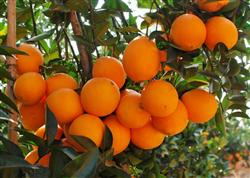
How should navel oranges be planted to achieve high yields?
How can navel oranges be planted for high yields? Please provide a detailed introduction to the planting methods. The following methods can be used for planting navel oranges: 1. Build the orchard to high standards. When building an orchard on a hillside, first build contour reverse-slope terraces, then dig trenches and apply base fertilizers such as rice straw, pig and cattle pen manure, phosphate fertilizer and lime. The base fertilizer amount under each tree's planting hole is required to be no less than 100 kg...
-
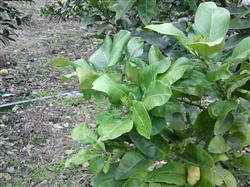
How to fertilize mandarin oranges? A detailed explanation of the key cultivation techniques
How to fertilize mandarin oranges? Which nutrients are best to apply to mandarin oranges? Please give guidance. The essential elements during the growth of mandarin oranges are: nitrogen, phosphorus, potassium (major elements), calcium, magnesium, sulfur (secondary elements), zinc, manganese, iron, copper, boron, molybdenum (trace elements). Each nutrient has a certain function, and a deficiency...
条件筛选