Give the orange jasmine a little beer and it will grow vigorously, with glossy leaves and nonstop blooms
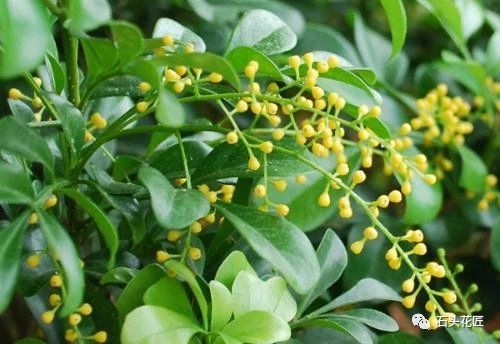
Speaking of orange jasmine (Murraya paniculata), as a woody flowering plant it is a very easy plant to grow. This season is exactly when it blooms, and not just once, but continuously from June to October, flowering and fading over and over, so in terms of care you need to pay special attention, taking note of fertilizing, lighting, watering and other aspects.
Fertilizing: diluted beer solution
Speaking of beer, many flower growers have heard that wiping the leaves of clivia with beer works very well. Today I want to tell you that watering orange jasmine with a beer solution works even better. Beer contains vitamin 10, vitamin 20, trace elements and so on, which are beneficial to the plant's growth, and especially for orange jasmine in its flowering period, it is even more of a nutritional supplement.
To fertilize with beer, open the beer and let it release gas for a day, then mix it with water at a ratio of 1:200 into a solution, and pour it directly onto the roots until thoroughly soaked, once a week. You can also use a spray bottle to spray water, choosing the morning or afternoon, spraying around the potted plant to increase humidity.
Watering orange jasmine with diluted beer solution will not only make the leaves glossy and shiny, but also promote the development of flower buds, making the flowers bloom with a stronger fragrance.
Lighting: plenty of light means more flowers
Orange jasmine is a flowering plant that loves light, so in summer it must get plenty of light. If the light is insufficient, it will bloom less and the floral scent will be faint! It is best to keep it outdoors in a ventilated spot with good light. But avoid exposure to blazing sun.
Watering: prevent waterlogging
Summer temperatures are high, and although evaporation is great so you need to replenish water in time, before each watering you must check how dry the soil in the pot is, and never let water accumulate in the pot; with high temperatures, water accumulating in the pot easily leads to root rot and eventually death.