-
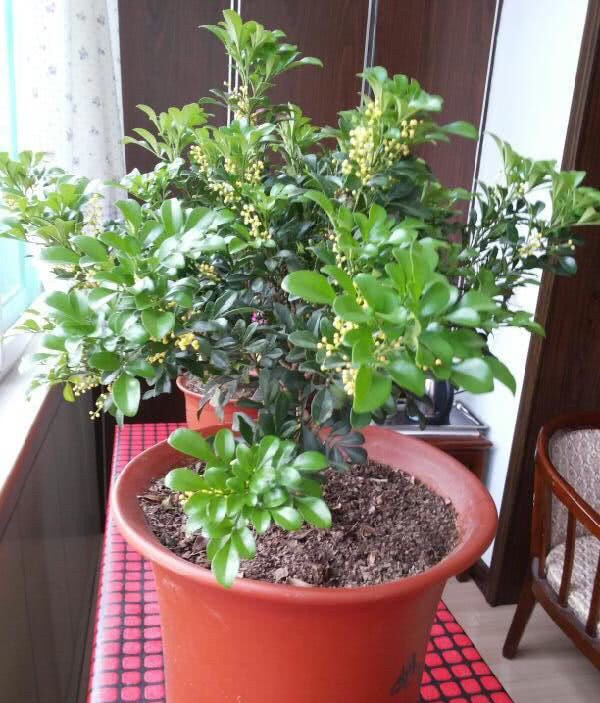
What to do when an orange jasmine (Murraya paniculata) drops its leaves? One little trick makes green leaves grow vigorously and flowers bloom nonstop
The orange jasmine's flowers are small, but they are especially fragrant. Its leaves stay evergreen through all four seasons, emerald green and glossy, and its flowering period is especially long. If cared for well, it can bloom several times a year, especially blooming most in summer and autumn. But in the process of growing orange jasmine...
-
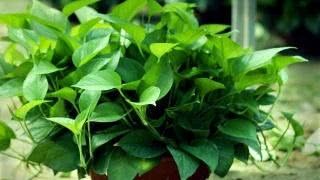
Orange peel is a treasure; give it to pothos and spider plants and they'll shoot up to two meters tall
Autumn is here, and it's orange season right now. Many people just throw the peel away after eating, which is really a shame. The most valuable part of an orange is its peel: drying it for tea or soaking it in water to wash your hair and get rid of dandruff are both great options. And...
-
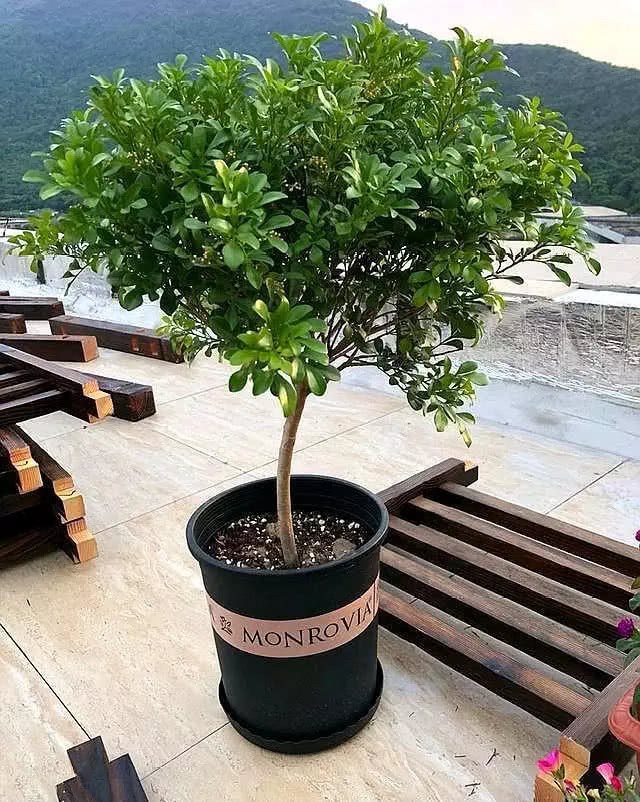
What to do about yellow leaves on orange jasmine? One trick stops the yellowing and fills the air with blooming fragrance
While the orange jasmine is growing new shoots and new flower buds, yellow leaves keep appearing, and it is even dropping leaves - what is going on? What should you do? Please enter an image description. During its continuous growth, the orange jasmine will shed some of its leaves. If its bottom leaves turn yellow all over and fall off, this is normal. If it is not the whole leaf turning yellow before dropping, then you need to consider a few causes.
-
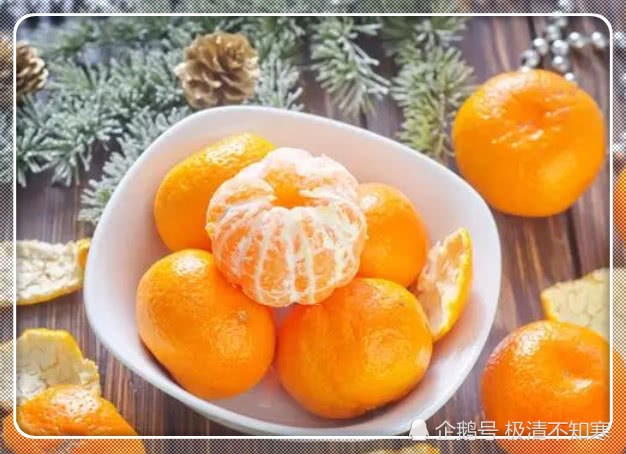
Don't throw away orange peels; using them to grow flowers is more than ten times better than fertilizing
It's orange season again. Oranges are sweet and tangy and very delicious, but don't throw away the orange peels after eating them; they have clever uses too. Here we share a way to reuse orange peels. Let's learn about it together. First, prepare some...
-
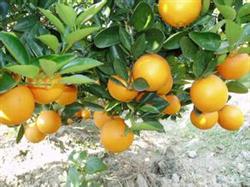
Detailed Explanation of Key Cultivation Techniques for Red-fleshed Navel Orange
Compared with the Newhall navel orange, Bonanza navel orange and other navel orange varieties currently mainly cultivated in China, the red-fleshed navel orange is comparable in yield, fruit appearance and internal quality, adaptability and resistance, but has 3 different characteristics: First, it is the only navel orange variety in the world whose peel and flesh are both red (the flesh is colored by lycopene), and the fruit is round and spherical.
-
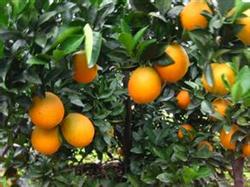
How to grow red-fleshed navel oranges? Key cultivation techniques and precautions
Red-fleshed navel orange is also known as Cara Cara navel orange. 1. Adaptability and suitable planting areas: It is suitable for planting in navel orange suitable areas with good heat conditions and a large temperature difference between day and night from the end of October to November before the fruit ripens, and in areas where winter frost or frost occurs after the end of December or lasts only a short time. 2. Key cultivation techniques and precautions...
-
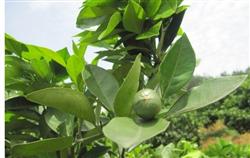
How to prune navel orange trees with alternate bearing? Detailed methods
1. Girdling to promote flowering: In mid-September of the following year, use a girdling tool to girdle upright vigorous branches, with a blade spacing of 0.3 cm. After girdling, apply Flower Promotion King No. 2 (southern variety), which can control shoots and promote flowering, and protect flowers and fruits. 2. Pre-flowering pruning: Winter pruning should be light or skipped, with the focus placed on pre-flowering pruning. High...
-
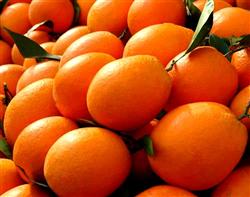
Detailed Explanation of Key Points for Navel Orange Harvesting and Fresh-Keeping Techniques
It is now the navel orange harvest season. If fruit growers only focus on early orchard management while neglecting post-harvest fruit handling and fresh-keeping storage techniques, the fruit will deteriorate and rot, resulting in a bumper harvest without a bumper income. Pay attention to harvesting techniques. For navel orange fruit intended for storage after harvest, picking is generally best when 80% of the fruit surface has colored and the fruit has not yet softened...
-
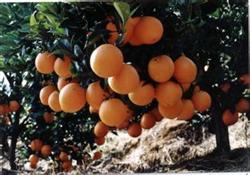
Detailed Explanation of Key Cultivation Techniques for High-Yield Navel Oranges
1. Choose dwarfing rootstocks and graft dwarfing varieties, which is beneficial for early fruiting. Generally, the large-leaf small-flower strain of trifoliate orange (Poncirus trifoliata) is selected as the dwarfing rootstock. Trifoliate orange is currently a citrus rootstock with a dwarfing effect, and it has four strains, among which the large-leaf small-flower strain has a more ideal dwarfing effect. 2. Bend the roots for shallow planting, control the main...
-
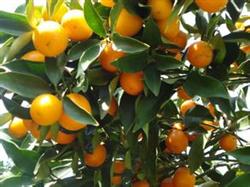
Detailed Explanation of Postharvest Commercial Handling Technology for Navel Orange Fruit
I. Growth and Development Indicators for High-Yield Navel Orange 1. Tree shape, plant height and canopy spread. For 4-5 year old trees, cultivate a natural round-headed shape; for mature trees, control the trunk height at 40 cm and tree height at about 2.5 m; the high-yield canopy spread should be maintained at about 2.80 m x 2.60 m. 2. Diameter and grading. The branch trunk diameter of Newhall should be...
条件筛选