-
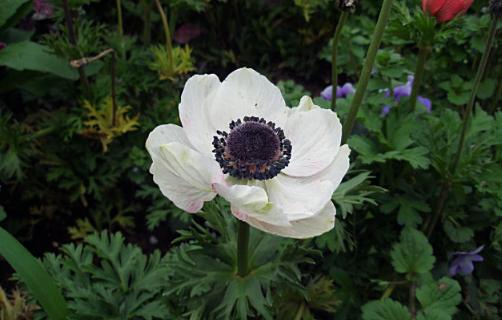
How to grow anemones? Mastering these cultivation tips is key
Before planting anemones, soak the tubers in water for 1-2 days so the anemone seeds absorb water and swell. For the potting soil, use 3 parts garden soil, 1 part leaf mold and 1 part rice husk ash, add 1 handful of decomposed compost or chicken manure per pot; in a pot with a diameter of 20 cm you can plant 3-5 corms, and when planting, the pointed end of the tuber must face downward and must not be inverted
-
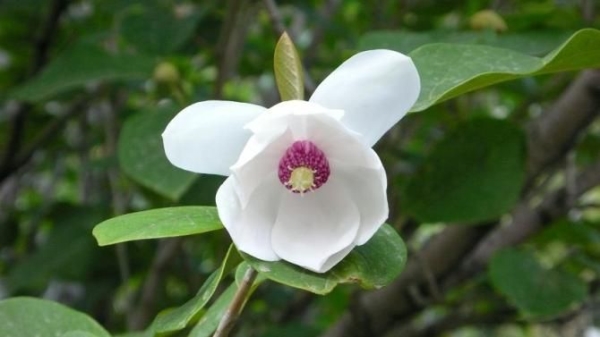
How to grow Magnolia sieboldii? Master these care tips
When growing Magnolia sieboldii in summer, you need to watch out for the high summer temperatures; do not let it be exposed to direct sunlight. You can place it in a cool, ventilated spot for care. Also, be sure not to use alkaline soil for cultivating Magnolia sieboldii. Alkaline soil may cause the plant to die.
-
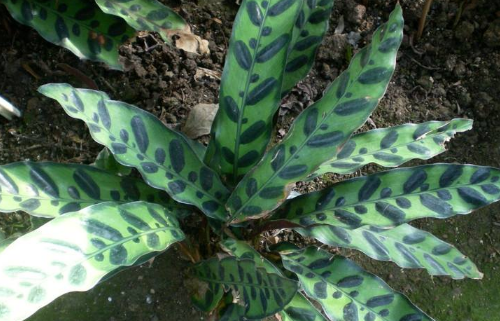
How to grow Calathea lancifolia? Master the growing methods and precautions
1. Fertile soil If you want to grow Calathea lancifolia lush and thriving, the most important thing is a pot of fertile, loose, and well-draining soil. Only very breathable soil can make Calathea lancifolia grow faster. It is best to mix leaf mold, peat soil, and perlite in a ratio of 5:3:2.
-
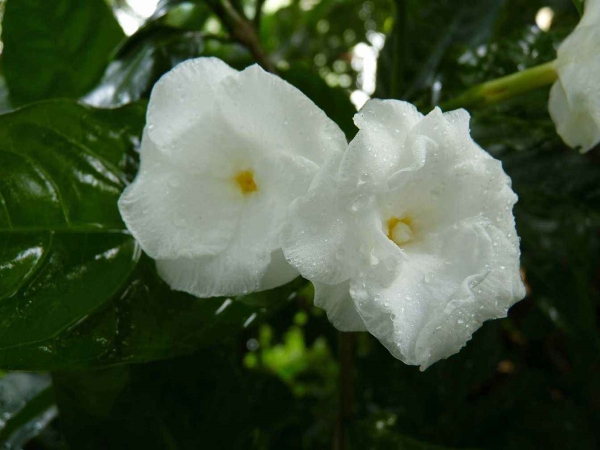
How to grow Tabernaemontana divaricata? These care methods you need to master
Temperature: Tabernaemontana divaricata likes to grow in a hot and humid environment, and it is not cold-tolerant. When the temperature is below 0°C, the plant will die from freezing. So in winter it is best to move it indoors for growing. Fertilizing: Tabernaemontana divaricata has a relatively large demand for nutrients, and we need to fertilize it in time before it blooms.
-
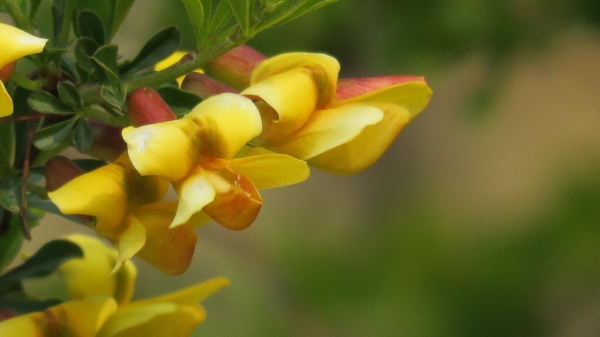
How to grow Caragana? These care points you need to master
Caragana loves light, so place it in a spot with plenty of sunshine. For the soil, it is best to choose a fertile sandy soil with good drainage. Have you learned the shaping methods for Caragana bonsai? For Caragana shaping, those with a single twisted trunk and an quaint, elegant posture are preferred, and it can also be trained into a form with branches and leaves drooping down in profusion; or with exposed roots and claws, showing its aged appearance, so as to achieve the effect of beautiful form and brilliant flowers.
-
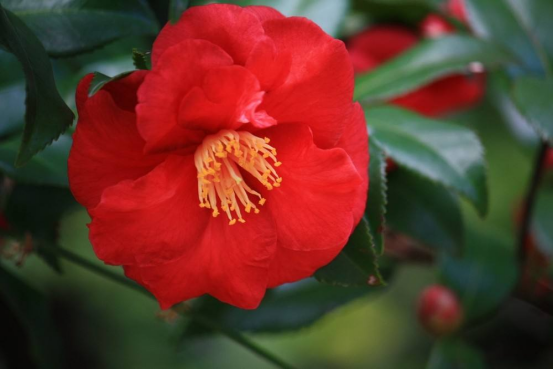
How to grow bonsai? Mastering these care essentials is key
1. Light: To enjoy the beauty of a Camellia sasanqua bonsai all year round, regular care is very important. Camellia sasanqua is a plant that needs to grow in a semi-shaded environment, and it also needs good ventilation. If it lacks light and ventilation over time, the leaves will lose their gloss, the flower colors will not be bright enough, and it may even produce few flowers
-
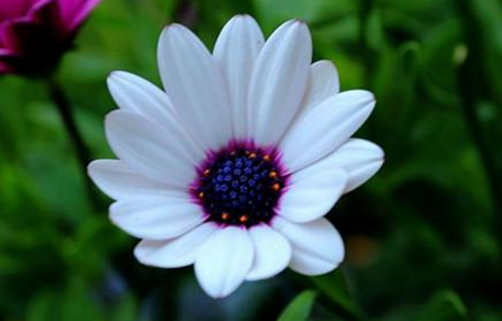
A detailed guide to the steps of propagating blue-eyed daisy (blue marguerite) from cuttings, so you can easily master the propagation method
1. Cutting time. The blue-eyed daisy (blue marguerite) dislikes heat, so when we take cuttings of it, we must avoid the high-temperature summer season, because the weather is hot in summer and taking cuttings at this time will greatly affect the survival rate of the blue-eyed daisy. Therefore, the best season for taking blue-eyed daisy cuttings should be spring
-
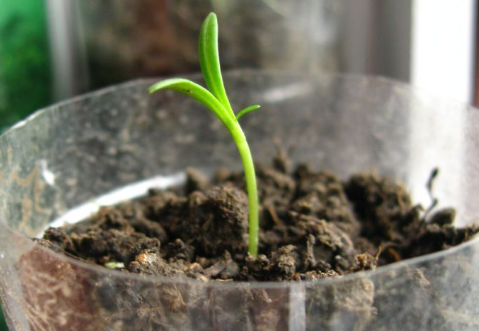
A detailed guide to sowing dahlia seeds: beginners can master it at a glance
1. To grow healthy and beautiful dahlias, choose good-quality seeds, preferably seeds produced by hand pollination. 2. Sowing is generally done around May; sow the seeds by spot sowing in a flower pot and lightly cover them with a thin layer of soil. 3. Keep the growing environment warm and moist; they usually sprout in about a week.
-
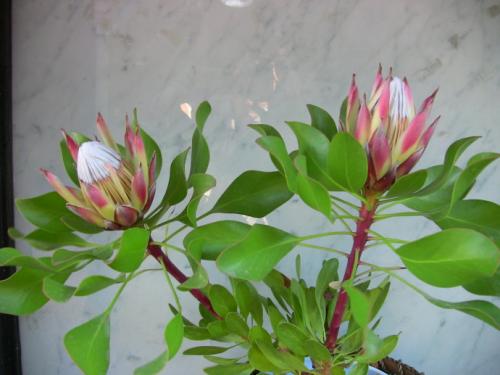
How to grow Protea? These care measures you need to master
Measure one - soil selection. The planting soil for Protea needs to be loose, well-draining sandy soil, which is beneficial to the growth of Protea. Measure two - light. Protea likes an environment with plenty of light, so make sure Protea gets sufficient light; it is generally placed on balconies and in ventilated, sunny spots.
-
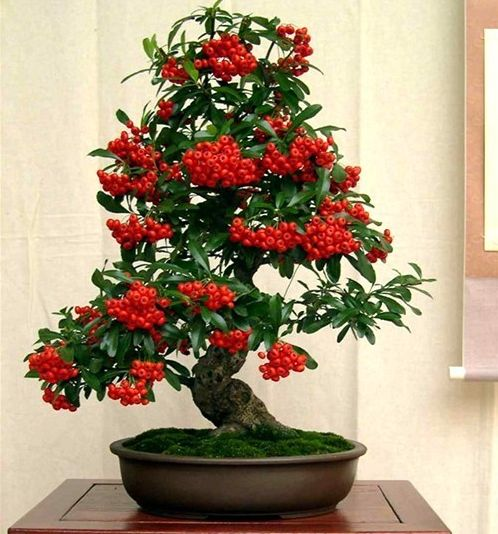
How to make a firethorn bonsai? Master these key production points
In the south, use collected stumps; in the north, use the cutting method. 1. Collecting stumps: First, do the pre-digging preparation work, preparing pruning shears, a hand saw, a knife, a small iron shovel, large and small plastic bags or other packaging bags. Choose species with beautiful tree posture, fine branches and leaves, strong sprouting ability and tolerance for pruning, easy potting and a relatively long lifespan
条件筛选