Boxwood bonsai watering techniques: master the right method for more vigorous growth
Boxwood bonsai is relatively cold-hardy and sprouts readily; with coarse wiring and fine pruning, it can be trained into cloud-pad or bun shapes, or worked into a natural tree form. The trunk follows its natural tendency, shaped into a slanting style or a prostrate style. Some boxwood bonsai are accented with ornamental stones, forming a “boxwood cascade.”
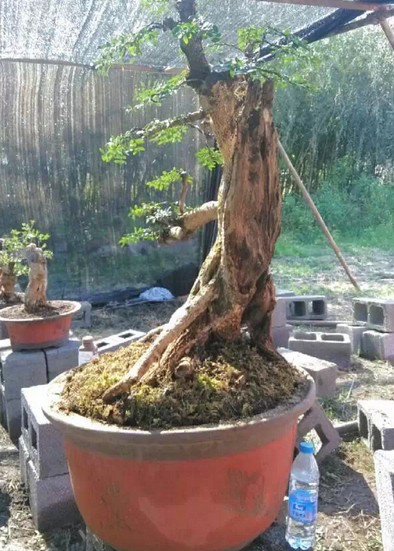
Boxwood is best placed in semi-shade, and in summer special attention must be paid to shading. In winter, except in severely cold regions, it can generally overwinter outdoors; simply bury the pot in a wind-sheltered, sunny spot, though after frost the leaf color often turns red.
Boxwood likes moisture, and the potting soil should be slightly on the moist side, but it should not become waterlogged. In summer, when temperatures are high, besides shading, it also needs watering in the morning and evening.
Boxwood has gone from growing along rivers and streams to growing in a small pot in the garden; the biggest change in its environment is lower humidity, so it must be replenished with timely and appropriate amounts.
The pot should be kept moist at all times, because its root absorption, leaf photosynthesis and entire growth process all require a large amount of water; of course, the amount needed also changes with the seasons and climate.
Therefore, when watering, pay attention to the climate, apply proper technique and ensure quality. When the temperature is above 20°C and the pot is short of water, water in three steps:
Step one, flush the surface without disturbing the soil (to meet the pot's water requirement);
Step two, the branches and leaves must be thoroughly wet (water from multiple angles);
Step three, mist spray.
In hot weather or when the temperature is above 20°C and the pot is not short of water, water according to steps two and three; when the temperature is below 20°C and above 10°C and the pot is not short of water, in winter, in the morning sunlight, water once a day according to step three.
After “White Dew” in autumn, wait until the dew has dried, then spray water according to step three; on frosty days do not water in the morning and evening; before a cold wave in the “sanjiu days” do not water, to prevent freezing the soil and freezing the branches and leaves, and likewise keep the pot well drained and aerated.