How to prevent peach fruit drop? These methods you need to master
Friends who grow peaches at home may have noticed that peach trees often bloom abundantly and end up setting plenty of fruit, but not long after fruiting, many small, green peaches fall to the ground, and in the end only a very small portion of the fruit sets and ripens. This is rather unsatisfactory, so why does this happen, and how can we solve this problem and improve the fruit-setting rate? Please read on.
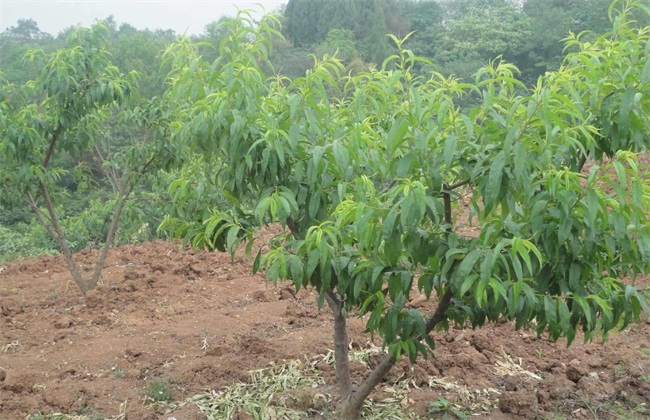
I. Causes of fruit drop
First, too many flowers bloom without flower thinning, so the tree sets too much fruit, but the tree's nutrients are insufficient and cannot supply so many fruits, so they simply drop. Or the tree itself is relatively weak and lacks nutrients, and with no fertilizer supplement, fruit drop occurs. There is also the physiological fruit drop that the peach tree itself undergoes. Another cause is rain during the flowering period washing away pollen, leading to poor pollination and fertilization, which causes incomplete development and deformed fruit drop. Finally, excessive application of nitrogen fertilizer causes vigorous shoot growth, and once the fruit's nutrients are competed for, the fruit drops.
II. Preventive measures
1. Flower and fruit thinning
This can be done when about 60% of the flowers have bloomed. Generally, for clustered flowers, remove the weak and keep the strong; for a cluster of five or six flowers, keeping two or three is enough. All incompletely developed flowers will fall off with a gentle shake of the branch. For flowers on weak branches, remove the flowers at the same node position, keeping 40% of the flowers; for flowers on strong branches, keep about 65%. Two months after fruiting, begin fruit setting, keeping fruit at relative node positions; if there are too many on the same side, remove some, and also keep more fruit on robust branches and fewer on thin, weak branches. Fruit on water sprouts should be cut off, and the same goes for drooping branches.
2. Ensure nutrition
Besides flower and fruit thinning, also prune off dead branches, overlapping branches, water sprouts, drooping branches, and densely growing inner branches. Pick some old leaves to reduce nutrient consumption. For fertilization, apply sufficient base fertilizer in spring, and topdressing is indispensable; topdress three times throughout the fruiting period. Do not apply only nitrogen fertilizer; apply compound fertilizer. Watering should be done three days after topdressing, and depending on the soil condition, water multiple times, but control water during the flowering period.
3. Artificial pollination and spraying fruit-retention agents
You can pollinate by hand, pollinating before the rainy season; if rain occurs after pollination, you can pollinate once more. Pay attention to the weather and try to complete the pollination and fertilization process before it rains. Artificial pollination can ensure the success rate of pollination and fertilization. Avoid the phenomenon of incomplete development. Ensuring more fruit set means more fruit will set. In addition, after fruiting, you can spray Guodiling to retain the fruit.
Excessive peach fruit drop is abnormal. You should first look for the cause and improve the fruit drop problem according to its root cause. Also, once you know the cause, you will know how to prevent it in the future. The above measures can improve the problem of peach fruit drop. Thank you for reading, and I hope it is helpful to you.