-
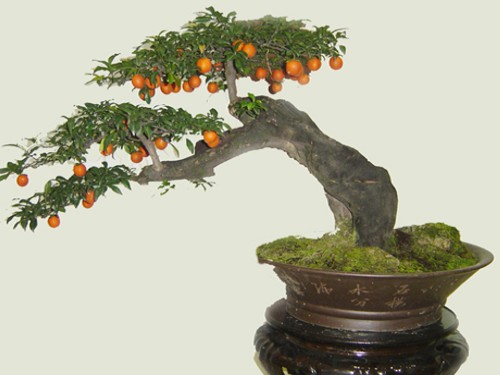
Detailed Guide to Diospyros cathayensis Seed Sowing: Master the Key Points for Easy Seedling Propagation
Diospyros cathayensis is distributed and cultivated in East China, South China and Central China. Market sales and exhibitions are dominated by Diospyros cathayensis from Sichuan and Hubei. Sichuan Diospyros cathayensis has small leaves and abundant fruit; as long as it reaches the cultivation age, small stumps (small and miniature bonsai) can bear fruit even in pots
-
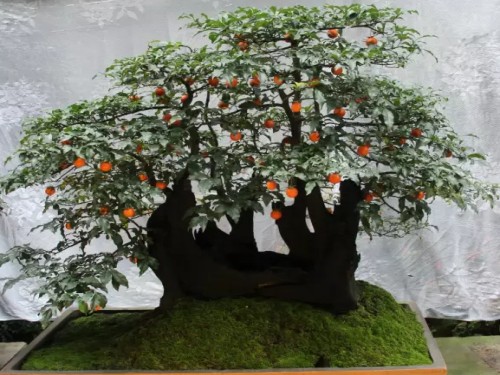
A illustrated guide to the grafting technique for golden bullet persimmon (Diospyros cathayensis): detailed steps you can master at a glance
The golden bullet persimmon is called "golden bullet" because its fruit turns golden yellow, is oval-shaped, and stays on the tree for a long time, hence the name golden bullet persimmon. Although the golden bullet persimmon bears fruit and also has the scientific name Chinese persimmon (Diospyros cathayensis), its fruit is not edible; the fruit is somewhat toxic and harmful to the body, so
-
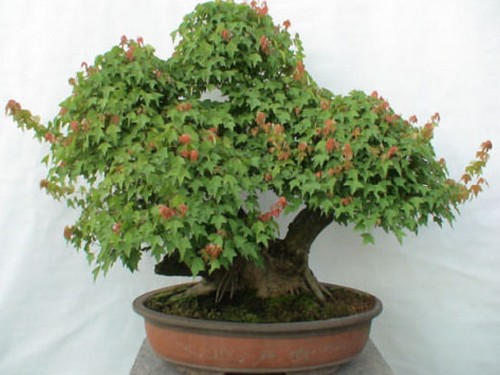
How to prune a trident maple bonsai? Master the correct pruning method
The trident maple has a graceful tree form and elegant leaves, with three shallow lobes at the leaf tip, just like a duck's webbed foot, and it is highly ornamental. In early spring, the new leaves first emerge, delicate and emerald green; after autumn arrives, the leaf color turns dark red or old yellow, becoming even more pleasing to the eye. If in late summer and early autumn you remove its old leaves and apply a quick-acting nitrogen fertilizer once, after half a month it will send out fresh tender new leaves
-
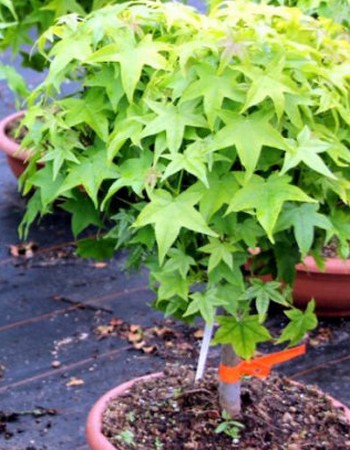
A Detailed Guide to Witch Hazel Propagation Methods: Easily Master the Breeding Techniques
Witch hazel (Hamamelis) has uniquely shaped and fragrant flowers, blooming before the leaves in early spring, with petals like threads, light and graceful, making it an important early-spring flowering nursery plant. It is suitable for specimen planting in garden corners, beside ponds and streams, and at the edges of shrub groupings, and is also a great material for bonsai. Witch hazel's unique petals and graceful tree form attract many people
-

Master the fertilization methods for edible fungi, preventing green mold is key
Preventing green mold is key in edible fungus cultivation
-
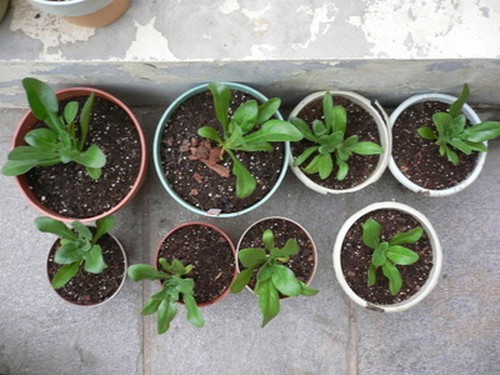
What are the propagation methods for Calendula? This one article teaches you to master them easily
Calendula (Calendula officinalis) has a very strong resistance to sulfur dioxide and also has some resistance to cyanide and hydrogen sulfide, making it an excellent pollution-resistant flower. It is also a major material for spring flower beds and can be used as a cut flower and potted plant. It is suitable for central plazas, flower beds and flower borders, and can also be used as an edging flower for lawns or for potted display
-
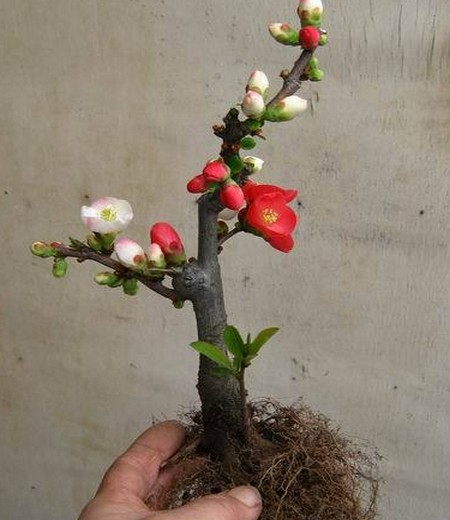
Detailed Guide to Cutting Propagation of Chaenomeles speciosa, Easily Master the Propagation Technique
Chaenomeles speciosa, a unique specimen ornamental tree, is named for its extremely short pedicels, with flowers clinging closely to the branches. Its scientific name is Chaenomeles speciosa, also known as tiejiao pear, a deciduous shrub of the Rosaceae family, genus Chaenomeles. The flowers of Chaenomeles speciosa bloom in clusters of three to five, with extremely short pedicels clinging tightly to the branches, hence the name
-
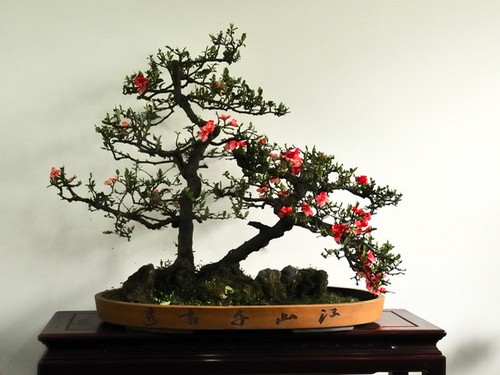
How to water a Chaenomeles speciosa (flowering quince) bonsai? Master these tips for vigorous growth
Chaenomeles speciosa is drought-tolerant and, although it fears waterlogging, it still quite likes a humid environment, so you must not water it sparingly or skip watering just because it fears waterlogging. Chaenomeles speciosa is fairly drought-tolerant, and during the growing season it is generally watered thoroughly once the soil has dried out. In summer, spraying and watering should avoid midday. Although Chaenomeles speciosa fears waterlogging
-
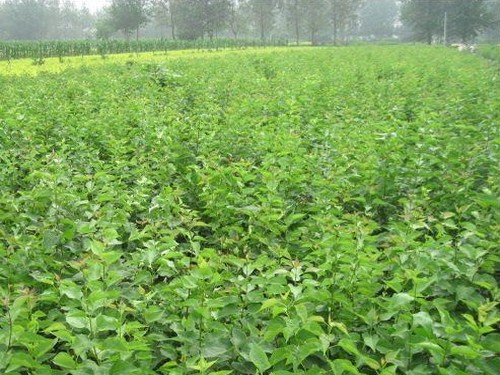
Detailed Guide to Seed Propagation Techniques for Elderberry: Mastering the Key Points of Seedling Cultivation
Elderberry, also known as Gongdao Lao, is a deciduous shrub to small tree of the genus Sambucus in the honeysuckle family (Caprifoliaceae), widely distributed across both northern and southern parts of China, and is a perennial clumping shrub. The flowers are white, and the fruits are bright red like fire, covering the entire tree and persisting. It has strong adaptability, is drought-tolerant, tolerant of poor soil, and can withstand low temperatures of -50°C.
-
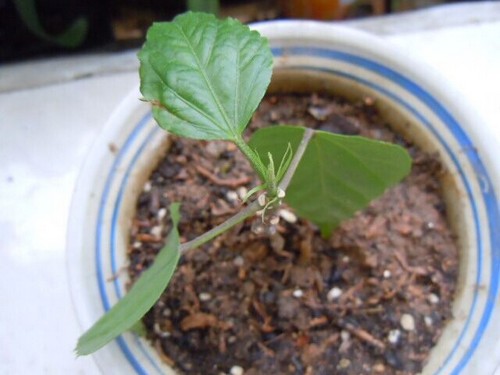
Detailed Guide to Hibiscus Cutting Propagation, Master the Method Easily
Hibiscus is deeply loved by everyone. If there are some walls at home, or even a corner that is not very attractive, you can plant a hibiscus there. It grows very fast and can immediately fill in the corner. Moreover, its roots will not damage the wall foundation. However, it cannot be planted too close to a window, because it grows very fast
条件筛选