-
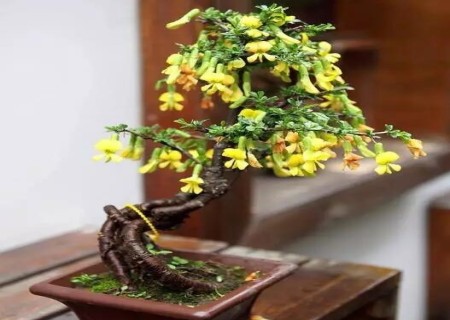
How to Expose the Roots of a Broom (Genista) Bonsai for Styling? A Complete Guide to the Methods
Broom (Genista) is famous for its flowers that bloom in the shape of a bird soaring on outstretched wings, and its bright, striking colors bring vibrant life to any setting. The roots of broom are even more gnarled and powerfully rugged, and they are highly flexible, making them easy to twist into shape, which makes it an excellent species for creating bonsai. So a broom bonsai is not only enjoyed for its flowers
-
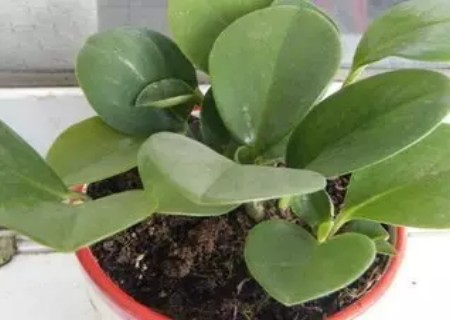
A complete illustrated guide to propagating rubber plant (Ficus elastica) from leaf cuttings, teaching you step by step
The rubber plant (Ficus elastica) is an excellent foliage plant. It not only traps dust and purifies the air, but also has high ornamental value, making it suitable for growing as an indoor potted plant. What's more, propagating this plant is very easy
-

Fish maw prices are expected to become more affordable! The Fisheries Research Institute has established a complete set of cage culture and breeding technology for fish
A new promising species for cage culture is about to emerge! After 3 years of effort, the Fisheries Research Institute has achieved
-
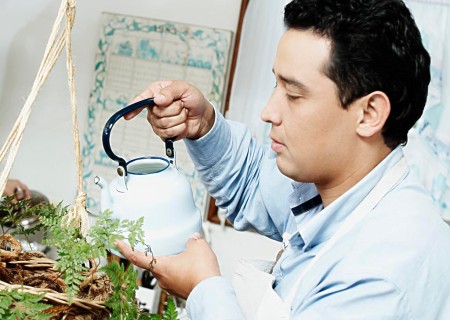
How to Water Bonsai? A Complete Guide to the Correct Methods and Techniques
The most complicated step in caring for bonsai is watering it properly. How often a tree needs water depends on several factors, such as tree species, tree size, pot size, season, soil composition and climate. Therefore, it is basically impossible to state the correct frequency. However, after understanding the following basic guidelines
-
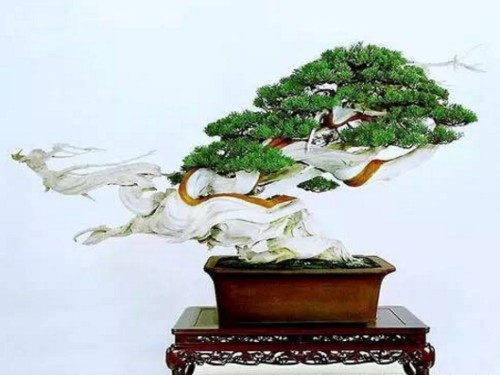
How to Grow a Cypress Bonsai Well? A Complete Guide to Practical Care Tips
Cypress, an evergreen tree, has long been used as a potted plant for indoor and courtyard ornamental display. Its unique leaf structure, in which leaves alternate in shedding and regrowth in a way that is hard to notice, gives it a sense of lasting evergreen vitality. Take the Chinese juniper (Juniperus chinensis), for example: its branches are dense and its leaves fine, its trunk form is twisted and curved, and its small branches rise upward to form dense clumps, giving it an elegantly antique and unusual posture.
-
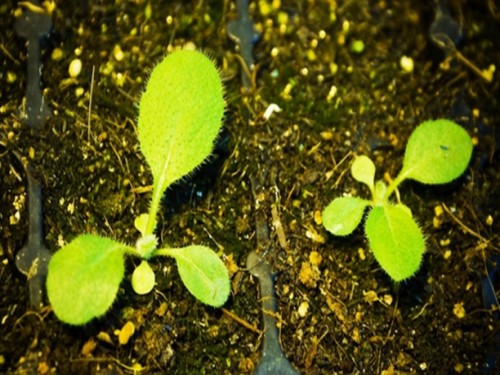
Complete Guide to Sowing Black-eyed Susan Seeds
Black-eyed Susan is a perennial herb of the genus Rudbeckia in the Asteraceae family. The plant height is 60-100 cm, and the flowering period is from June to October. The ray florets are yellow, sometimes with brownish-yellow bands, and the disc florets are dark brown. The stems are relatively stout, covered with soft hairs, slightly branched, and winged. The alternate leaves are rough, oblong to narrowly lanceolate.
-
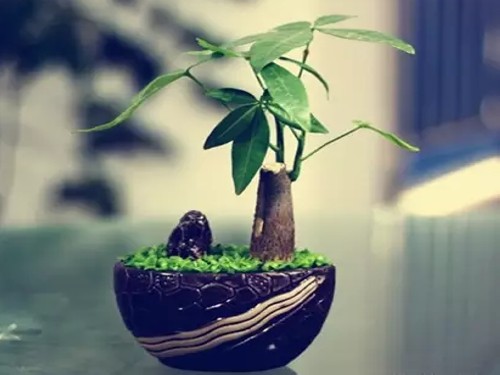
How to Fertilize Small Bonsai? A Complete Guide to Methods and Techniques
Potted plants are grown in containers where space and soil are limited, and natural nutrients are limited as well. For the normal growth of potted plants, supplementing nutrients is absolutely necessary, so fertilizing is also a very important part of daily bonsai care. The commonly mentioned three essential nutrients in fertilizer refer to three components: nitrogen, phosphorus, and potassium.
-
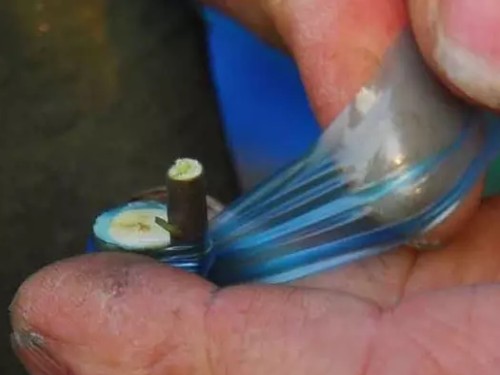
Detailed Explanation of Key Grafting Techniques for Golden Bullet (Diospyros cathayensis) Bonsai
For people who love nature and enjoy plants, surely they must have quite a few potted plants at home. The feeling of being surrounded by flowers and greenery is wonderful, as if being immersed in a forest, and one's mood becomes much more relaxed, which is also greatly beneficial for health. For most bonsai enthusiasts
-
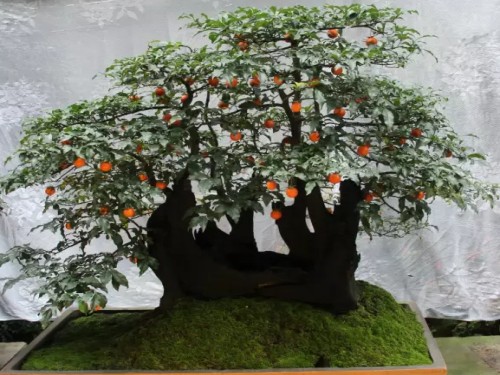
A illustrated guide to the grafting technique for golden bullet persimmon (Diospyros cathayensis): detailed steps you can master at a glance
The golden bullet persimmon is called "golden bullet" because its fruit turns golden yellow, is oval-shaped, and stays on the tree for a long time, hence the name golden bullet persimmon. Although the golden bullet persimmon bears fruit and also has the scientific name Chinese persimmon (Diospyros cathayensis), its fruit is not edible; the fruit is somewhat toxic and harmful to the body, so
-
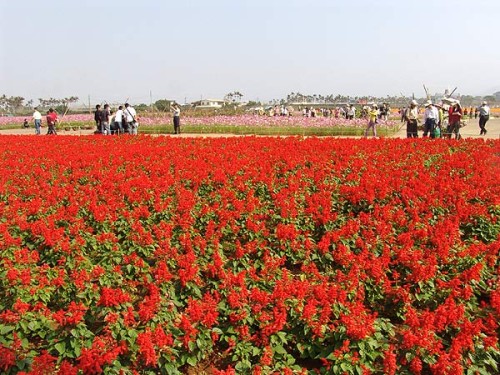
How to propagate scarlet sage? Detailed introduction to propagation methods
Scarlet sage is also very commonly cultivated internationally, especially in European and American countries and Japan, where it is a very important ornamental flower. American companies such as Goldsmith Seeds, Italy's Famen Company, France's Bodger Company and Britain's Floranova Company, among others
条件筛选