-

Chujingxiang No. 1 is a high-quality fragrant japonica rice variety
1. Variety origin Chujingxiang No. 1 is a superior fragrant japonica rice variety developed by the Chuxiong Prefecture Agricultural Science Institute through crossbreeding and selection. 2. Characteristics Chujingxiang No. 1 belongs to the medium-maturing medium japonica type, with a whole growth period of about 170 days, 3 to 5 days earlier maturing than Hexi 22-2; plant height 100 cm to 105 cm, leaves slightly drooping in the early stage, becoming upright after jointing, medium to weak tillering ability; large panicles with many grains, 120 to 140 grains per panicle, seed-setting rate 80% to 85%, 1000-grain weight 2
-
Introduction to the high-protein strong-gluten wheat variety 954072
Characteristics: Winter type, seedlings prostrate, moderate tillering capacity, plant height 90--100 cm, highly resistant to stripe rust and leaf rust, moderately resistant to powdery mildew and Fusarium head blight, mid-early maturing, 40--50 grains per spike, 1000-grain weight around 50 g, a large-spike large-grain type variety, highly resistant to lodging. Quality status: white-grained, vitreous, protein content 20--22%, wet gluten content 37.5--42%. Blending trials show that using 60% and 40% 954072 flour to blend with Lumai 14 flour
-
Introduction to the Chuannong Mai No. 1 Wheat Variety and Key Points for High-Yield Cultivation
Variety source: Mianyang 11 x Chuannong 84-1. Breeding institution: Sichuan Agricultural University. Characteristics: spring type, early maturing, growth period of about 190 days. Seedlings semi-erect, strong tillering ability, plant height 80 cm, strong lodging resistance. Spike rectangular, short awns, white glumes. Grain oval, grain color light red, semi-hard, 1000-grain weight 46.5 g. Test weight 785 g/l, protein content 12.2%, wet gluten content 19.8%, sedimentation value 12.8 ml, water absorption 55.9%, stability time 1
-
Fuyang's stretcher-type high-pressure sprayers achieve remarkable results in controlling brown planthopper
This year is the most severe year for late rice brown planthopper infestation in Fuyang City in more than a decade. Doing a good job in controlling late rice brown planthopper concerns food production security, farmers' income growth and rural social stability. Government departments at all levels in Fuyang City attach great importance to this, truly treating the control of late rice brown planthopper as the top priority in current agriculture and rural work, and making concerted efforts to fight this battle against brown planthopper. The Fuyang City Agricultural Machinery Extension Station introduced and promoted a new type of stretcher-type high-pressure sprayer that had once made great contributions to increasing the yield and income of Dongqiao Chinese torreya (Torreya grandis), and now it has once again rendered outstanding service in brown planthopper control.
-
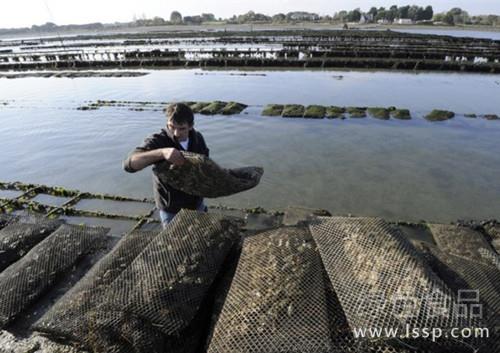
Oyster mudflat farming has good returns, key points for high-yield vertical farming
Oyster mudflat farming has good returns; key points for high-yield vertical oyster farming
-
Fish species quality identification methods, teaching you to accurately select high-quality fish species
1. Check whether the size is uniform. For the same species of fish, those with uniform size when harvested from the pond generally have a relatively robust constitution. 2. Check whether the fish body is glossy. Robust fish species have a layer of mucus on the body surface to protect the scales and skin from pathogen invasion, so the body surface shows a certain gloss. However, diseased, weak, or injured fish species lack mucus on the body surface and have no gloss, or some diseased fish have excessive mucus on the body surface and also lose their gloss. 3. Check the body color of the fish species. The body color of the fish species reflects their quality. The body surfaces of high-quality fish species are respectively:
-
How to prevent and treat highly pathogenic porcine reproductive and respiratory syndrome (PRRS)? A detailed explanation of the technical key points
This disease is a severe viral disease of pigs that has emerged in recent years, an acute highly lethal epidemic disease caused by a variant strain of porcine reproductive and respiratory syndrome virus. The virus is extremely contagious. In infected pig farms, the morbidity rate of piglets can reach 100%, the mortality rate can reach more than 50%, and the abortion rate of sows can reach more than 30%. It is also characteristic that growing-finishing pigs can develop the disease and die. 1. Pathogen: The pathogen of this disease is porcine reproductive and respiratory syndrome virus, caused by Lelystad virus. 2. Epidemiology
-
Raising pigs and chickens in a layered, combined system yields high profits and is worth learning from for farmers.
It is reported that this good method of raising pigs and chickens in a layered, combined system was first promoted and used in rural areas across Shanxi in 1998. Seven years later, this rearing method has been widely promoted in most rural areas of our country and has achieved good economic and social benefits. According to farmers using the combined pig-chicken system, in a combined pig-chicken house of about 32 sq m, using the raised-bed cage method (chickens on the upper layer, pigs on the lower layer), the upper layer can raise about 180 to 200 laying hens, and the lower layer can raise 6 to 8 fattening pigs (or 10 to 15 piglets), with the pigs directly pecking at and eating fresh chicken manure.
-
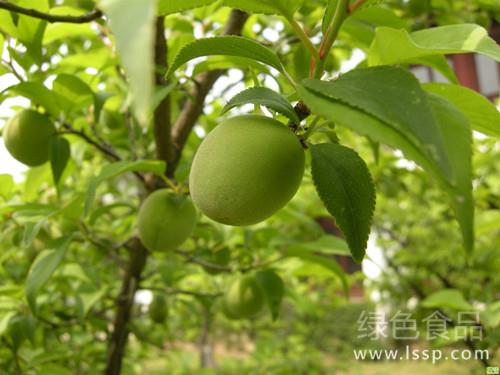
High-quality, High-yield Cultivation Techniques for Japanese Apricot (Green Plum) with Pollinator Trees and Bee Release at Blooming
Cultivation Techniques for High-quality, High-yield Japanese Apricot with Pollinator Trees and Bee Release at Blooming
-
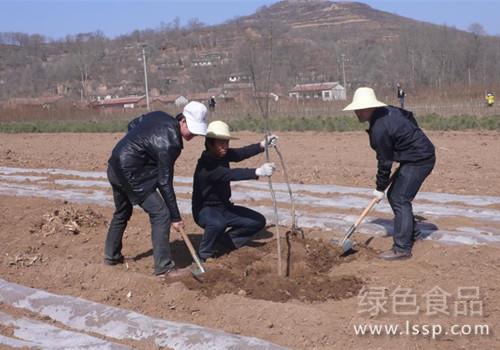
Eight key points for walnut cultivation; only by applying techniques according to the specific conditions can you achieve high yields
Only by applying techniques according to the specific conditions can you achieve high yields. Eight key points to note in walnut cultivation
条件筛选