-
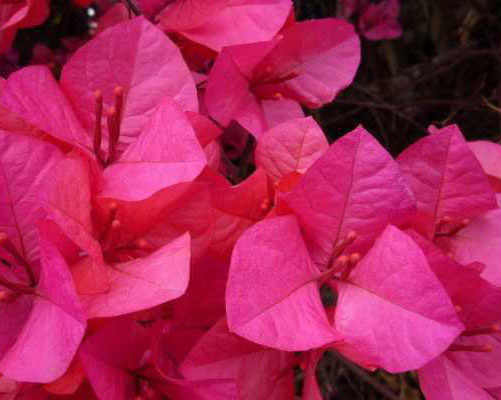
How to prune and shape Bougainvillea? A full analysis of methods and techniques
Bougainvillea is a vine plant with very strong branching ability. To keep its tree shape graceful, it needs frequent pruning and shaping. When the seedlings grow 5-6 leaves, remove the terminal bud and keep 3-4 leaves, after which 3-4 branches will sprout; when the branches grow 5-6 leaves, pinch them again. Repeat pinching several times
-
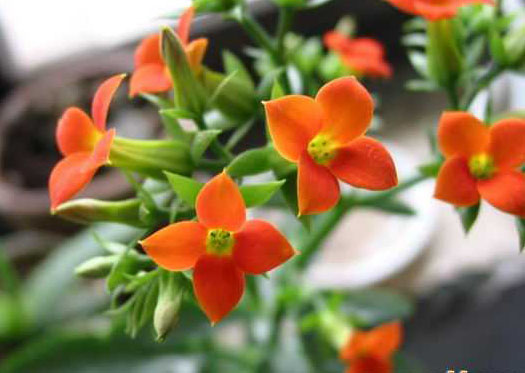
Why can Kalanchoe blossfeldiana live so long? A full analysis of the reasons
Kalanchoe blossfeldiana is also known as Shouxing flower, dwarf kalanchoe, and Christmas kalanchoe. It is a perennial evergreen succulent plant of the Crassulaceae family. The stems are upright; the leaves are fleshy, opposite, elliptic-oblong, dark green and glossy, with slightly reddish edges; the paniculate cyme bears flowers in colors such as scarlet, peach red, orange red, yellow, and white; the flowers are small
-
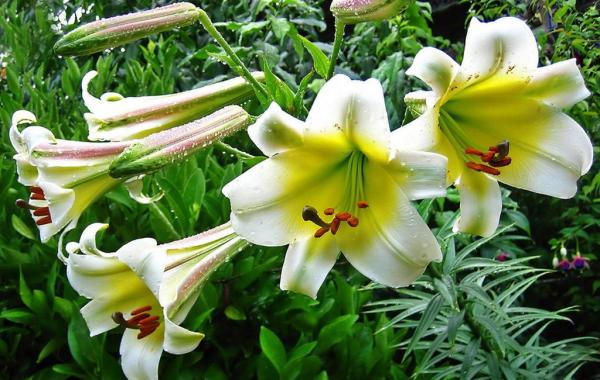
How to Manage Potted Flowers During the Rainy Season? A Full Guide to Practical Care Methods
1. Prevent waterlogging. For potted flowers placed in the open air, water easily accumulates in the pots after rain. If it is not drained promptly, the soil moisture becomes saturated, causing insufficient air and severe oxygen deficiency, which is extremely harmful to the root growth of the flowers. This is especially true for some varieties that are more afraid of waterlogging.
-

How to Grow Roses So They Bloom More Beautifully and Fragrantly
Roses are known as the "queen of flowers." If you pick the buds before they open, dry them in the shade, and boil 2 to 6 grams in water to drink as tea, it can treat menstrual irregularities, menstrual cramps, leukorrhea, and other gynecological conditions. - First, the sunshine duration must be long. Whether planted in the ground or in containers, roses need at least five hours of light per day, which is the primary condition for roses to bloom.
-
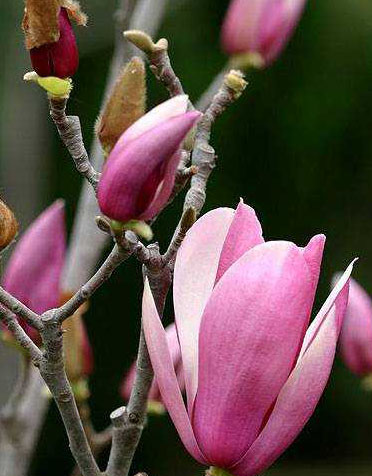
How to plant Magnolia liliiflora? A full analysis of scientific cultivation techniques
1. Soil. You can mix leaf mold and garden soil in equal amounts as the growing medium, and add 50-150 grams of bone meal or NPK compound fertilizer to the soil. The pot should be slightly deeper and larger, and put some broken hard plastic foam blocks at the bottom of the pot to enhance air permeability and drainage and prevent root rot. Repot and change the soil once every year or every other year after flowering
-

Detailed Explanation of Full-Course Immunity and Health Care Technology for Commercial Pigs
In recent years, infectious diseases in pigs have increased, conditions have become complex, treatment has become difficult, and mortality rates have risen. In particular, the highly pathogenic blue ear disease (highly pathogenic PRRS) that occurred in 2006 swept across half of China within six months, causing severe losses to China's pig industry. Many farmers lost everything and were ruined. Under this situation of high disease incidence, it is very important to do a good job in pig immunity and health care and to take preventive measures. Many farmers who have newly joined the breeding industry also do not know how to carry out vaccine immunization and medication-based health care. Below is a discussion of: vaccine and medication immunity and health care technology for pigs.1
-
Detailed Guide to Tea Tree Mushroom Cultivation: A Full Analysis of Key Planting Techniques
Tea tree mushroom, also known as the tea plant mushroom, is a rare, precious and delicious edible fungus. Its caps are tender and its stems crisp, with a mellow, delicate fragrance and excellent texture, and it can be cooked into all kinds of delicious dishes. According to testing by the China Food Quality Supervision and Inspection Center, the fruiting bodies contain important nutrients such as glucose, fungal protein and minerals, and include all eight amino acids needed by the human body, among which lysine content is as high as 1.75%. It also has strong kidney-tonifying effects and antitumor activity, making it one of the top ten best-selling mushrooms on the international mushroom trading market, known as the "Chinese divine mushroom." In Japan, Singapore,
-
Golden Star Yellow Umbrella Mushroom Successfully Cultivated Artificially in Jiangxi
Recently, fresh "Golden Star Yellow Umbrella" mushrooms were successfully cultivated artificially in Shicheng County, Jiangxi Province, and quickly became a new favorite in local residents' "vegetable baskets," selling out rapidly after hitting the market. The "Golden Star Yellow Umbrella" mushroom originally had no history of artificial cultivation and is also quite rare growing naturally in the wild. Luo Yijin, a farmer from Taohua Village in the Yangdi area of Hengjiang Town in the county, accidentally discovered wild "Golden Star Yellow Umbrella" mushrooms during an operation deep in the mountains. After picking the mushrooms and bringing them home, Luo Yijin began actively practicing and boldly exploring artificial cultivation methods for them.
-
How is dried small shrimp processed? A full analysis of dried small shrimp processing technology
Main raw materials: Acetes shrimp, table salt, etc. Equipment and tools: iron wok, baskets, flow-through stove. Production method: Grade and sort the Acetes shrimp; those containing more impurities should be sifted with a sieve; if the raw materials are not clean, they should be washed, and after washing, place them in baskets to drain, with each basket holding about 6 kg of Acetes shrimp. The following methods can be used for cooking: ① Basket-rotating cooking method. That is, fill a large iron wok with a diameter of 90 cm seven-tenths full with fresh water, add 2 kg of table salt, and after bringing to a boil, sprinkle an appropriate amount of table salt onto the shrimp basket after the shrimp have been placed in the basket and drained
-
What to Do When Wheat Seedlings Show Abnormal Leaf Color? A Full Analysis of Causes and Solutions
After wheat is sown and the seedlings emerge, various abnormal discolored seedlings often form due to the influence of natural conditions and cultivation practices. To make it easier to manage according to the specific seedling condition and the specific cause, they are introduced separately below: Yellow-leaf seedlings - the causes of yellowing of wheat leaves. First, soil drought. This situation mostly occurs in wheat fields with insufficient subsoil moisture or where moisture escapes through cracks. Its characteristics are: tillers emerge slowly, leaf color is grayish green, the central leaf is short and small, growth is slow or stagnant (people call this "shrunken-heart seedlings"), the middle and lower leaves gradually turn yellow and dry up, and roots are few and fine. Management
条件筛选