How to Grow Roses So They Bloom More Beautifully and Fragrantly
Roses are known as the "queen of flowers." If you pick the buds before they open, dry them in the shade, and boil 2 to 6 grams in water to drink as tea, it can treat menstrual irregularities, menstrual cramps, leukorrhea, and other gynecological conditions.
- First, the sunshine duration must be long. Whether planted in the ground or in containers, roses need at least five hours of light per day, which is the primary condition for roses to bloom.
Second, fertilize in a timely manner. Roses need frequent fertilizing during the growing season, because roughly every month and a half, they repeat a growth and development cycle of sprouting, extending branches, and blooming, which consumes a large amount of nutrients and requires a constant supply of various nutrients to ensure normal growth and development. Under normal circumstances, apply a dilute, well-rotted cake fertilizer solution once every ten days or so, and once a week during the peak growing period. During the bud-forming and flowering stage, apply quick-acting phosphorus fertilizer once or twice. After autumn begins, increase phosphorus and potassium fertilizer and reduce nitrogen fertilizer to control new branch growth. During the dog days and after October, apply less or no fertilizer. As container-grown roses grow, they need repotting and soil replacement every year, along with organic fertilizer, to benefit root development. After each fertilizing, water and loosen the soil promptly to keep the soil loose and well aerated.
Third, prune continuously. To keep roses vigorous in growth and regularly producing more and better flowers, they must be pruned continuously, cutting away some old branches to encourage new shoots. This is because roses bloom on the current year's new branches. For large container-grown roses, pruning should be combined with repotting in early spring, cutting off all dead, diseased, weak, and crossing branches from the base. According to the variety, keep a certain number of outward-facing axillary buds to form an appropriate number of flowering branches. Generally, branches of strong mature plants should be cut back by about one-half, and weaker-growing ones by two-thirds, leaving three to five strong main branches so that nutrients are concentrated and the flowers are large and vivid. In October, after the first flush of flowers fades, promptly cut off the spent flower stalks to promote rapid sprouting of new shoots.
Fourth, prevent and control pests and diseases in a timely manner. From spring to autumn, roses are continually attacked by many kinds of pests and diseases, so timely prevention and control are needed.
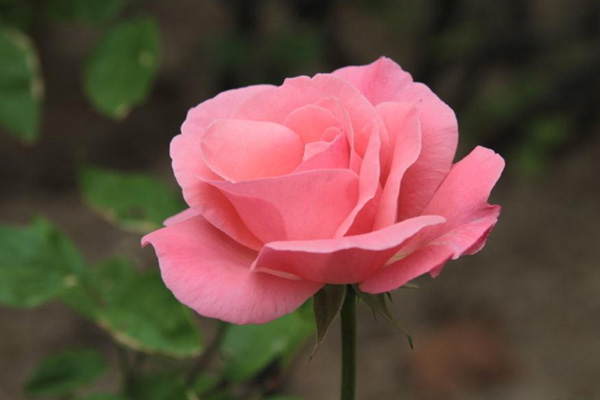
The sunshine duration must be long
Whether planted in the ground or in containers, roses need at least five hours of light per day, which is the primary condition for roses to bloom.
Fertilize in a timely manner
Roses need frequent fertilizing during the growing season, because roughly every month and a half, they repeat a growth and development cycle of sprouting, extending branches, and blooming, which consumes a large amount of nutrients and requires a constant supply of various nutrients to ensure normal growth and development. Under normal circumstances, apply a dilute, well-rotted cake fertilizer solution once every ten days or so, and once a week during the peak growing period. During the bud-forming and flowering stage, apply quick-acting phosphorus fertilizer once or twice. After autumn begins, increase phosphorus and potassium fertilizer and reduce nitrogen fertilizer to control new branch growth. During the dog days and after October, apply less or no fertilizer. As container-grown roses grow, they need repotting and soil replacement every year, along with organic fertilizer, to benefit root development. After each fertilizing, water and loosen the soil promptly to keep the soil loose and well aerated.
Prune continuously
To keep roses vigorous in growth and regularly producing more and better flowers, they must be pruned continuously, cutting away some old branches to encourage new shoots. This is because roses bloom on the current year's new branches. For large container-grown roses, pruning should be combined with repotting in early spring, cutting off all dead, diseased, weak, and crossing branches from the base. According to the variety, keep a certain number of outward-facing axillary buds to form an appropriate number of flowering branches. Generally, branches of strong mature plants should be cut back by about one-half, and weaker-growing ones by two-thirds, leaving three to five strong main branches so that nutrients are concentrated and the flowers are large and vivid. In October, after the first flush of flowers fades, promptly cut off the spent flower stalks to promote rapid sprouting of new shoots.
Prevent and control pests and diseases in a timely manner
From spring to autumn, roses are continually attacked by many kinds of pests and diseases, so timely prevention and control are needed.
Roses in Bloom: How to Make Roses Bloom More Beautifully and Fragrantly
The sunshine duration must be long
Whether planted in the ground or in containers, roses need at least five hours of light per day, which is the primary condition for roses to bloom.
Fertilize in a timely manner
Roses need frequent fertilizing during the growing season, because roughly every month and a half, they repeat a growth and development cycle of sprouting, extending branches, and blooming, which consumes a large amount of nutrients and requires a constant supply of various nutrients to ensure normal growth and development. Under normal circumstances, apply a dilute, well-rotted cake fertilizer solution once every ten days or so, and once a week during the peak growing period. During the bud-forming and flowering stage, apply quick-acting phosphorus fertilizer once or twice. After autumn begins, increase phosphorus and potassium fertilizer and reduce nitrogen fertilizer to control new branch growth. During the dog days and after October, apply less or no fertilizer. As container-grown roses grow, they need repotting and soil replacement every year, along with organic fertilizer, to benefit root development. After each fertilizing, water and loosen the soil promptly to keep the soil loose and well aerated.
Prune continuously
To keep roses vigorous in growth and regularly producing more and better flowers, they must be pruned continuously, cutting away some old branches to encourage new shoots. This is because roses bloom on the current year's new branches. For large container-grown roses, pruning should be combined with repotting in early spring, cutting off all dead, diseased, weak, and crossing branches from the base. According to the variety, keep a certain number of outward-facing axillary buds to form an appropriate number of flowering branches. Generally, branches of strong mature plants should be cut back by about one-half, and weaker-growing ones by two-thirds, leaving three to five strong main branches so that nutrients are concentrated and the flowers are large and vivid. In October, after the first flush of flowers fades, promptly cut off the spent flower stalks to promote rapid sprouting of new shoots.
Prevent and control pests and diseases in a timely manner
From spring to autumn, roses are continually attacked by many kinds of pests and diseases, so timely prevention and control are needed.