-
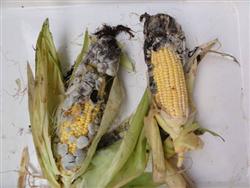
Detailed Explanation of Key Techniques for Corn Smut Prevention and Control
Corn smut, called "grey packet" by farmers. It can occur at all growth stages of corn, damaging the tassel, ear, as well as stems and leaves. Symptom identification: symptoms gradually become obvious around tasseling. Tumors of varying sizes grow on the affected parts; the tumors are initially white or reddish-purple, later turning grey, and after rupturing they release black powder. Affected...
-
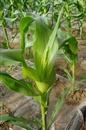
What causes poor corn seedling emergence?
①Low temperature or excessive rain: Experiments show that low-temperature soil reduces the germination rate or germination vigor of seeds; too much rain hinders the normal respiration of seeds and makes them prone to mold infection, causing seed rot. ②Rough land preparation or improper fertilizer application: Many clods, uneven land, uneven soil moisture, or inconsistent sowing depth...
-
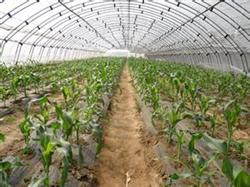
Detailed Explanation of High-Efficiency Cultivation Techniques for Fresh-Eating Corn in Greenhouses
In winter-warm greenhouses, during the late stage of spring production, the vegetable plants inside the greenhouse age, yield and quality decline, market prices are low, and planting benefits decrease. At this time, transplanting fresh-eating corn in the winter-warm greenhouse can rationally utilize greenhouse resources and achieve relatively high economic benefits. 1. Select excellent varieties: according to local conditions, select high-quality fresh...
-
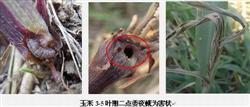
Technical key points for controlling the two-spotted field noctuid moth (Athetis lepigone) during the seedling stage of summer corn
The two-spotted field noctuid moth is a newly emerged pest in summer corn production areas in China. Returning wheat straw to the field provides an excellent environment for the two-spotted field noctuid moth to choose hidden, moist places for laying eggs and hatching. Once the larval peak period coincides with the corn seedling stage and suitable rainfall occurs, it may cause serious damage. The two-spotted field noctuid moth's...
-
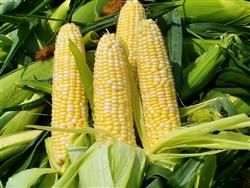
Detailed Explanation of Key Cultivation Techniques for Specialty Corn
Specialty corn includes fodder corn, waxy corn, sweet corn and popcorn. The botanical characteristics and biological traits of specialty corn differ from those of common corn, and therefore its cultivation techniques also have special requirements. 1. Fodder corn. Fodder corn refers to corn varieties used for green fodder or silage. At present, ...
-

Detailed Explanation of Key Technical Points for Relay-Intercropping Corn Sowing
Improving sowing quality: To ensure full stands and strong seedlings of corn, generally apply 5 kg of diammonium phosphate and 1 kg of zinc sulfate per mu as seed fertilizer. Before sowing, spread out heaps of wheat straw evenly so as not to affect sowing and seedling emergence. When sowing, pay attention to the operating speed of the seeder to prevent missed sowing or sowing seeds on wheat stubble. Try to achieve "rows...
-
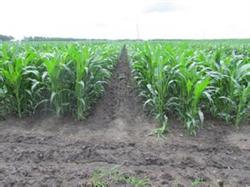
Detailed Explanation of Autumn Corn Planting Techniques and Management Key Points
Autumn corn is suitable for no-till direct sowing after mid-July. After harvesting the previous corn crop, promptly clean the field, and early sowing at the earliest opportunity is key; generally deep plowing is not required. 1. Sun-dry the seeds for 2-3 days, and soak them for 4-6 hours before sowing to promote uniform and neat emergence. Arrange plant spacing at a density of 3500-4000 plants per 667 sq m...
-
Key Cultivation Techniques for Autumn Sweet Corn Sowing Period
1. Characteristics and Nutritional Value of High-Oil Corn The outstanding characteristic of high-oil corn is its high grain oil content, which is on average more than 5% higher than that of ordinary corn. High-oil corn generally contains higher levels of protein, lysine and tryptophan; in addition, the vitamin A and vitamin E content of high-oil corn is also higher than that of ordinary corn....
-
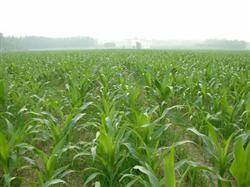
Why should weeds in summer corn fields be cleared as early as possible?
Weeds in corn fields grow fast and concentrated. When soil moisture is good, about 10 days after sowing, weed emergence reaches its peak, and after 15 days the emergence rate reaches about 90%; if there is rainfall or watering, a small emergence peak appears in 4 days. When subjected to weed damage at the seedling stage, plants appear short, with thin stalks and yellow leaves, which also aggravates the occurrence and damage of diseases and pests in corn fields,...
-
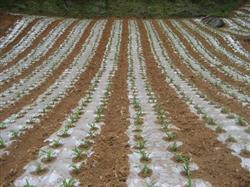
Key points of current management measures for spring-sown corn
1. Adapt to local conditions and select improved varieties. In plain and hilly areas, promote Yedan 13 and Xiyu No. 3, paired with Huayu No. 4, Zhongdan 32, Chenghai No. 1, and Yuanzheng 808; for intercropping in cotton fields, select short-stalked, short-growth-period varieties such as Yedan 22, Yedan 51, and 9362; in suburban areas, where fresh eating is the main purpose, plant Zhongnuo 1...
条件筛选