-
Key Points of Pruning and Training Techniques for Densely Planted Chestnuts
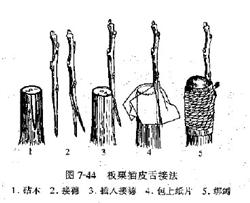
Selection of scions from superior varieties: Choose excellent local chestnut varieties with good performance. Select robust fruiting branches that are fully grown, with plump terminal and lateral buds and free of pests and diseases as scions. The length is generally 7-8 cm, with 3-4 buds retained. Scions should be collected and grafted immediately, or collected in advance, wax-sealed and stored at low temperature until use. Grafting period: one...
-
How should chestnuts be planted and managed to achieve a high yield?
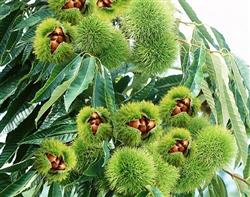
How can chestnuts be made to yield heavily? Please explain the methods. To make the chestnut trees you plant yield heavily, you can refer to the following methods: 1. Close planting. Reasonable close planting can not only increase early yields and obtain economic benefits as quickly as possible, but also facilitate intensive management of the orchard. Planting density: the spacing between plants and rows is generally 2m x 4m, 3m x 4...
-
How are chestnuts harvested in chestnut tree cultivation?
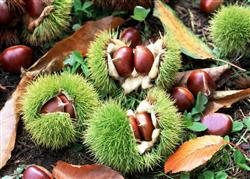
How are chestnuts harvested? When is the best time to harvest chestnuts? What are the main harvesting methods? Please note that chestnuts generally mature in September-October, and there are generally three harvesting methods for reference: Chestnut harvesting: the chestnut burr beating method. The method of directly knocking chestnut burrs off the tree with a bamboo pole is called the chestnut burr beating method. The chestnut burr beating...
-
Where Are Chestnuts Produced? A Detailed Guide to the Main Producing Regions
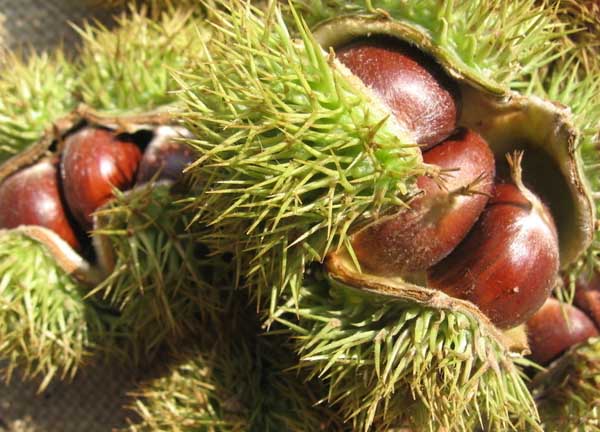
Where are chestnuts produced?
-

How to do post-harvest management of chestnuts? Focus on these 3 key points
Post-harvest management of chestnuts: focus on 3 points
-
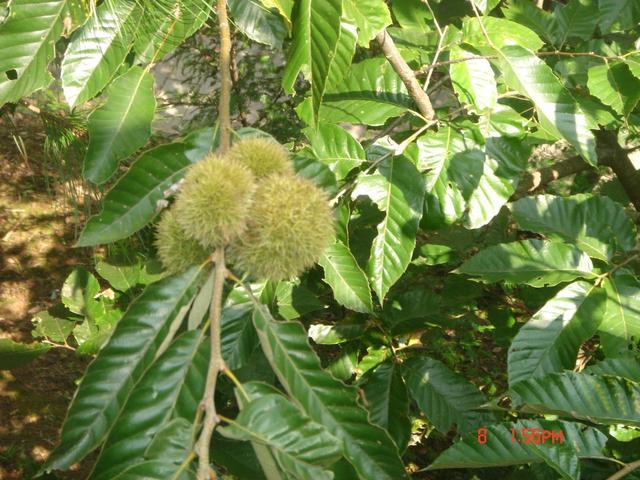
Growing chestnuts on the balcony: green, pollution-free and delicious
Chestnuts are rich in vitamins and minerals and help strengthen the spleen and warm the kidneys, and they have a good texture and a sweet, fragrant taste, so whether eaten on their own or used as an ingredient in cooking, they are deeply loved by the broad masses of the people. The chestnut tree is a tall...
-
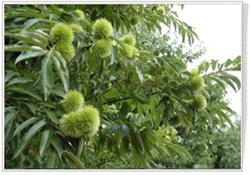
How to Grow Chestnuts for High Yield? A Comprehensive Guide to Cultivation Techniques
I. Close Planting. Reasonable close planting not only increases early yields and delivers economic returns as quickly as possible, but also facilitates intensive management of the orchard. Planting density: the spacing between plants and rows is generally 2m x 4m, 3m x 4m or 3m x 5m; the specific density should be determined by the characteristics of the rootstock, the characteristics of the scion, or the site conditions. The investment in establishing the orchard can be recovered within 6 years after planting...
-

-
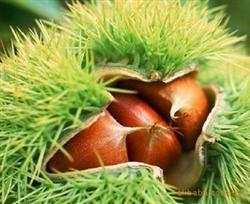
What are the methods to prevent empty burrs in chestnuts?
How do you prevent empty burrs in chestnuts? Please explain the methods. Apart from varietal characteristics, the main causes of empty burrs in chestnuts are nutritional deficiency or boron deficiency. The comprehensive control measures are as follows: 1. Improve varieties: For inferior seedling trees of mountain chestnuts with a high rate of empty burrs and low yields, top-graft them to change the variety. ...
-
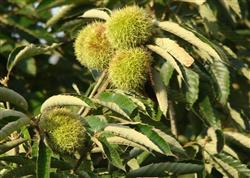
How to prevent empty burrs in chestnuts? An introduction to practical prevention methods
How to prevent empty burrs in chestnuts? What methods are available? Please advise. Empty burrs in chestnuts are also called empty husks or empty shells, and growers call them "mute chestnuts." The rate of empty burrs in chestnuts is generally about 15%, and can reach as high as 80%, with some trees having almost entirely empty burrs. Therefore, preventing empty burrs is key to increasing chestnut yield and quality. Reasonable selection...
条件筛选