Key Points of Pruning and Training Techniques for Densely Planted Chestnuts
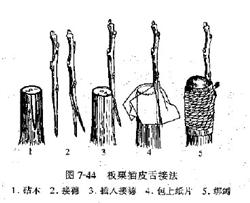
Selection of scions from superior varieties: Choose excellent local chestnut varieties with good performance. Select robust fruiting branches that are fully grown, with plump terminal and lateral buds and free of pests and diseases as scions. The length is generally 7-8 cm, with 3-4 buds retained. Scions should be collected and grafted immediately, or collected in advance, wax-sealed and stored at low temperature until use. Grafting period: one...
 Training: Adopt a low-trunk, low-crown open-center form, with a trunk height of 30-40 cm, tree height not exceeding 4 m, and 2-3 main branches, with a maximum of no more than 4. On each main branch, select and retain 1-2 lateral branches or directly bear fruiting branch groups. The angle of main branches is 50-60 degrees.
Pruning: Moderately heading back the main branches. The severity of heading back the extension branches of scaffold branches such as lateral branches should be determined according to differences in variety, tree vigor and tree age. Remove developing branches that have no space, and head back developing branches that have space to train them into fruiting branch groups, removing as little as possible and heading back as much as possible. If there are many fruiting mother branches on the same branch, heavily head back or remove the fruiting mother branch with the strongest vigor at the tip, retain moderately vigorous fruiting mother branches to bear fruit, and remove the thin and weak fruiting mother branches at the lower part. When 3-4 strong branches occur side by side, forming a three-pronged or four-pronged fork, use the method of removing 1 and leaving 2 unpruned, or removing 1, heading back 1 and leaving 2 unpruned. Remove thin and weak, pest-damaged, overlapping and excessively dense branches, as well as chicken-claw spurs, fishbone spurs and some strong terminal branches. Cut back overlong and thin weak fruiting branch groups to the lower branching point. In densely planted high-yield orchards, 10-12 fruiting mother branches may be retained per square meter of crown projection area; in hilly and mountainous areas with poorer site conditions, 6-8 fruiting mother branches may be retained per square meter of crown projection area.