Causes and Solutions for Blackening Leaves on Ficus Bonsai
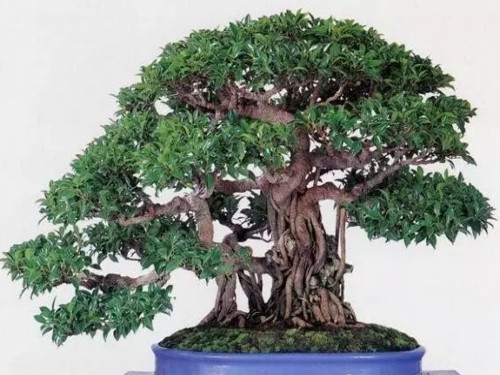
Ficus trees can effectively remove formaldehyde, toluene, xylene, benzene, nitrogen oxides and ozone from volatile organic compounds. They have a strong ability to adsorb dust and can effectively increase indoor air humidity. This species has a broad crown and dense branches and leaves. Young trees are often potted indoors for ornamental purposes, while old stumps are made into bonsai. The leaves and aerial roots can be used as medicine. Common types of ficus bonsai include: ginseng ficus bonsai, aerial root ficus bonsai, tree stump ficus bonsai, miniature ficus bonsai, and others.
Ficus is a plant with strong vitality and great plasticity, and it is often potted for ornamental purposes. However, ficus can sometimes develop problems that affect its ornamental value, such as blackening leaves. Ficus has many leaves and likes a humid environment. With improper care, it is very prone to yellowing and blackening leaves. The main causes are watering too frequently, over-fertilizing, and insufficient light. So, what causes blackening leaves on ficus bonsai, and what should be done about it? Below, the editor introduces several causes of blackening leaves on ficus bonsai and their solutions!
1. Large temperature difference
Ficus grows best in an environment with a small temperature difference between day and night. An environment like the one where you wear a fur coat in the morning and gauze in the afternoon is completely unsuitable for ficus growth. When the temperature difference is above 10°C, large areas of yellow and black leaves will appear. Therefore, during routine care, place the potted plant in a ventilated, well-lit position, and provide shade in time in summer.
2. Overwatering
If the ficus root system is damaged, first dig it out of the soil, place it in a semi-shaded, well-ventilated spot to dry, then cut off the rotten roots, and soak or drench the roots with a 500-times dilution of carbendazim to disinfect and sterilize them. Then keep the main trunk, and preferably also trim all the branches and leaves on the plant clean. Repot it, burying all the roots in sandy soil (slightly moist). You can also put a white bag over it and place it in a dark, indirectly lit spot for ten days to half a month. Note that it will revive as long as the temperature is above 10°C.
Improper watering does great harm to ficus. Watering too much, or high environmental humidity, can cause root rot and large-scale leaf drop. Ficus is more difficult to grow in the north. At home, humidity must be controlled well; humidity that is too low can also cause blackening leaves.
3. Improper fertilizing
Ficus likes fertilizer, but too many fertilizer applications can harm its growth. In mild cases, leaves turn yellow; in severe cases, roots rot. During the ficus growing period, the amount of fertilizer varies according to the season. Reduce or stop fertilizing in winter. In other seasons, fertilize once a month, using dilute fertilizer water, mainly for foliage, and prefer weak over strong.
4. Pests and diseases
The main pests and diseases of ficus include: aphids, red spider mites, scale insects, and others. When pests and diseases occur, the plant suffers damage to varying degrees, causing root rot or damage, which leads to yellowing leaves. When yellowing leaves appear on the plant, check the growth condition of the roots to see whether there are dead roots, rotten roots, damaged roots, and so on. Spray pesticides in time for prevention and control.
5. Freeze damage
Blackening ficus leaves may be caused by temperatures being too low during winter, resulting in freeze damage. Remove the freeze-killed leaves and wait for new leaves to grow. Keep the winter environment for potted ficus at 10 to 15°C and reduce watering appropriately. Move the ficus with blackening leaves to a warmer environment and care for it until spring, when temperatures rise above 25°C and it will grow new branches and leaves. If the temperature during freezing is too low and lasts too long, it will lose its vitality.
6. Environmental pollution making it dirty
In places with a lot of soot or dust, ficus leaves cannot stay clean, and sometimes they become so dirty that they turn black. At such times, simply place the potted plant in a clean, ventilated spot, then wipe the leaves with a soft cloth dipped in water.
[Friendly reminder] Ficus likes sunlight, so it should be placed outdoors in a sunny spot to get plenty of sun. It does not need frequent watering, and be careful not to let water accumulate, otherwise the roots can easily rot. During the growing period, it can be pruned appropriately for future shaping.