-
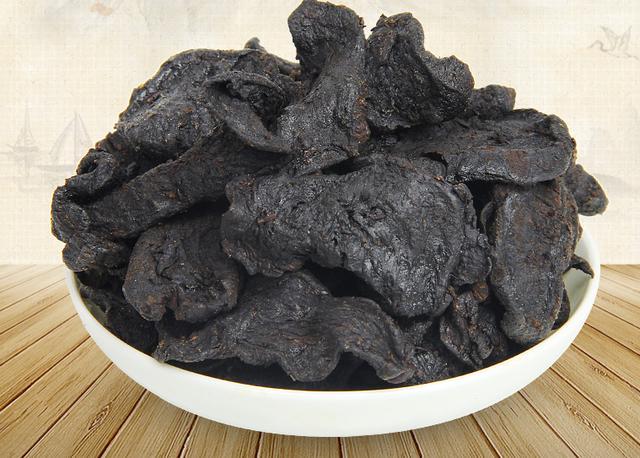
Key Points for Large-Scale Production Technology of Wine-Processed Polygonatum Slices
Technology for Large-Scale Production of Wine-Processed Polygonatum Slices. Functions and indications of wine-processed Polygonatum: nourishes blood and enriches yin, benefits essence and replenishes marrow. Used for blood deficiency with sallow complexion, palpitations, irregular menstruation, metrorrhagia and bloody discharge, yin deficiency of liver and kidney, soreness and weakness of waist and knees, steaming bone and tidal fever, night sweats and seminal emission...
-
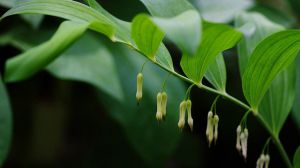
What is the difference between Maianthemum dilatatum and Polygonatum odoratum? A quick guide to telling them apart
Stem: the stem of Maianthemum dilatatum is 30 to 60 cm tall; the stem of Polygonatum odoratum is 20 to 50 cm tall. Leaves: the former's leaves are 6 to 15 cm long; the latter's are 5 to 12 cm long. Flowers: the former's flowers are white; the latter's are yellow-green to white. Fruit: the former's fruit is 5 to 6 mm in diameter; the latter's fruit is 7 to 10 mm in diameter.
-
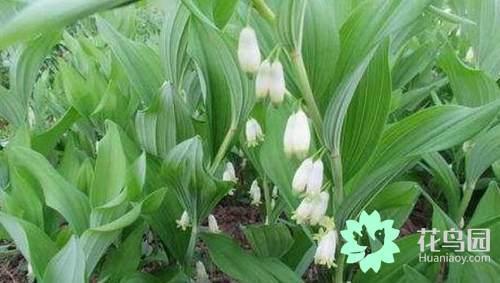
What are the growing conditions and suitable growing regions for Polygonatum odoratum (fragrant solomonseal)?
In what kind of orchards, woodlands, hillsides and farmland is Polygonatum odoratum suitable for planting? 1. Woodland (1) Site selection. Open woodland with a canopy density of 0.1-0.2 and vegetation of broadleaf forest or mixed coniferous-broadleaf forest is preferable; artificial coniferous forest is not suitable for planting Polygonatum odoratum. Requirements: slope <=20°, soil layer thickness >=15cm, pH value 5.5-7.0, and the soil should be humus soil or mountain brown earth. ...
-

What are the different intercropping methods for Dictyophora echinovolvata and Polygonatum cyrtonema under a Castanea henryi forest?
Study on different intercropping methods of Dictyophora echinovolvata and Polygonatum cyrtonema under a Castanea henryi forest. Fund project: Integrated demonstration and promotion of key technologies for forest-fungus composite cultivation in the mountainous areas of southern Zhejiang (project number: 2014ts16). From 2015 to 2016, two forest-fungus...
-
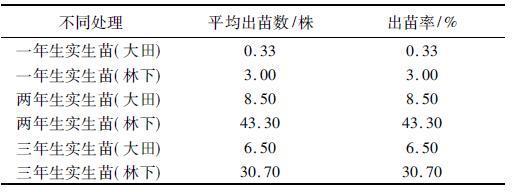
Effects of Different Ages of Seedling Polygonatum cyrtonema on Agronomic Traits and Yield
Effects of Different Ages of Seedling Polygonatum cyrtonema on Their Agronomic Traits and Yield Fund projects: National Basic Drug Needed Chinese Medicinal Material Seed and Seedling Breeding Base Construction Project (2015SZ0034); Sichuan Provincial Public Welfare Research Institutes Basic Research Project...
-
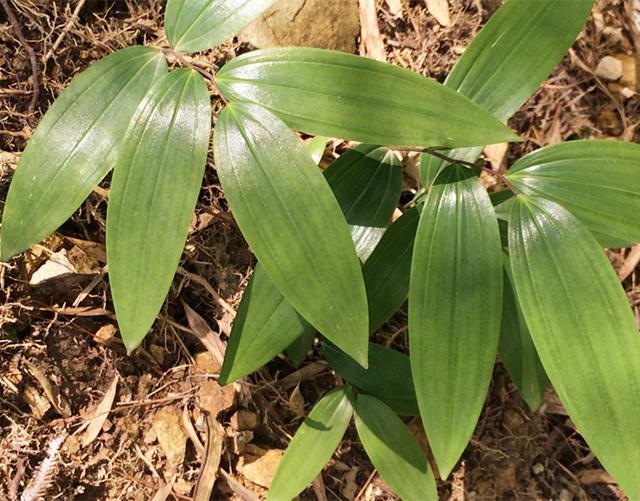
Detailed Explanation of the GAP Cultivation Technical Regulations for Jiuhua Polygonatum
GAP Cultivation Technical Regulations for Jiuhua Polygonatum. Polygonatum is a perennial herbaceous plant of the genus Polygonatum in the Liliaceae family, with functions of tonifying qi and nourishing yin, strengthening the spleen, moistening the lungs, and benefiting the kidneys. Modern medical research suggests that Polygonatum has anti-aging, immunity-enhancing, anti-...
-
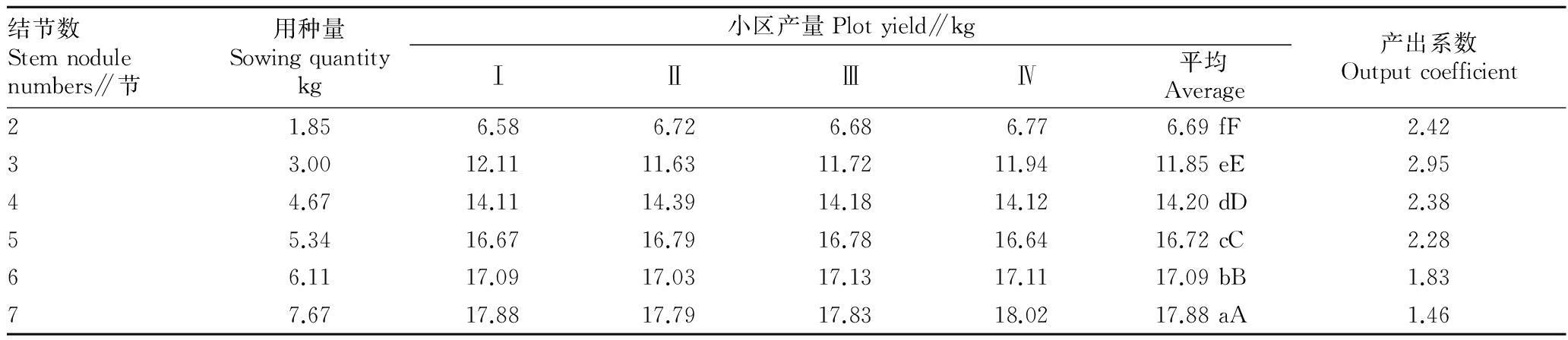
Effects of Rhizome Node Number of Polygonatum cyrtonema on Yield and Growth and Development
Effects of rhizome node number on the yield and growth and development of Polygonatum cyrtonema. In production, Polygonatum cyrtonema is mostly propagated by rhizomes, and because its rhizomes are bead-like or form nodular blocks, they are often called "seed rhizomes" [5]. The quality of the seed rhizome directly affects emergence and growth...
-
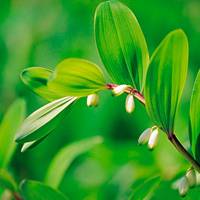
Did you know Polygonatum odoratum has these other names too?
Polygonatum odoratum (fragrant solomonseal) is a perennial herbaceous flowering plant belonging to the Liliaceae family. It is not only a home ornamental flower, but also has great medicinal and health-promoting value, and with the right cooking methods it can even become a delicious therapeutic food!
-

条件筛选