Key Points for Large-Scale Production Technology of Wine-Processed Polygonatum Slices
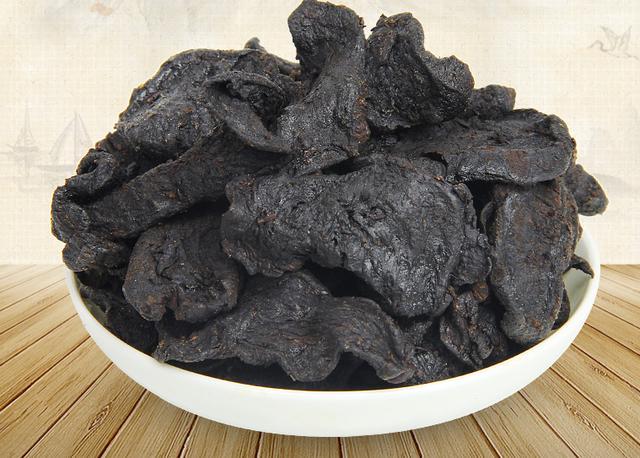
Technology for Large-Scale Production of Wine-Processed Polygonatum Slices
Functions and indications of wine-processed Polygonatum: nourishes blood and enriches yin, benefits essence and replenishes marrow. Used for blood deficiency with sallow complexion, palpitations, irregular menstruation, metrorrhagia and bloody discharge, yin deficiency of liver and kidney, soreness and weakness of waist and knees, steaming bone and tidal fever, night sweats and seminal emission, internal heat with wasting-thirst, dizziness, tinnitus, and premature graying of hair and beard.
Traditional processing methods are recorded in two ways in the 2015 edition of the Chinese Pharmacopoeia, Part I, respectively: "(1) Take Polygonatum, process by the wine stewing method, stew until the wine is fully absorbed, remove, air-dry until the mucilage on the outer skin is slightly dry, cut into thick slices or pieces, and dry, and it is ready. (2) Take Polygonatum, process by the steaming method, steam until black and moist, remove, sun-dry until about 80% dry, cut into thick slices or pieces, and dry, and it is ready." The traditional process has low production efficiency, low yield, and high energy consumption, and is not suitable for large-scale industrial production.
(1) Sorting: Select high-quality Polygonatum medicinal material and remove impurities.
(2) Cleaning: Use a drum-type medicine washing machine to wash the selected Polygonatum medicinal material; after washing, let it stand to drain the water.
(3) Wine steaming: Mix the cleaned Polygonatum with yellow rice wine and leave it for 8 h, then place it in a steamer and steam for 7 h, and collect the medicinal juice.
(4) Pre-drying: Place the Polygonatum steamed in step (3) in a 60°C oven for pre-drying, and dry until the water content is 15%.
(5) Slicing: Use a rotary-table slicer to cut the pre-dried Polygonatum from step (4) into Polygonatum slices with a thickness of 4 mm.
(6) Moistening with medicine: Place the Polygonatum slices obtained in step (5) into the medicinal juice collected in step (3) and soak for 12 h.
(7) Drying: Place the Polygonatum slices treated in step (6) in an oven and dry until the moisture content is 12%.
(6) Packaging: Vacuum-pack the dried Polygonatum slices, store them in a ventilated and dry place, and obtain the wine-processed Polygonatum slices.
The extract content of the prepared wine-processed Polygonatum slices can reach as high as 45.8-47.5%, and the Polygonatum polysaccharide content is 7.2-7.9%. The quality is high and meets the quality standards for wine-processed Polygonatum slices.