-
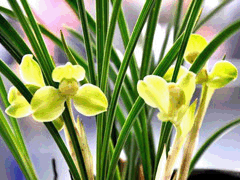
A Complete Analysis of Autumn Care Methods and Key Points for Chinese Cymbidium
Autumn Care Methods and Key Points for Chinese Cymbidium
-
What titles do Chinese orchids have? A complete guide to the list of Chinese orchid titles in one article
List of Chinese Orchid Titles
-

Add a little something to beer, and gardenias and Chinese roses bloom for 8 months straight, with 100 flowers at a time
Qingdao is about to enter summer, and Huahua can once again see people on the street corners carrying beer in plastic bags. This beer is really a good thing - not only do people love drinking it, but the plants at home actually love it too. What, you don't believe it? Then hurry up and follow Huahua to take a look!
-
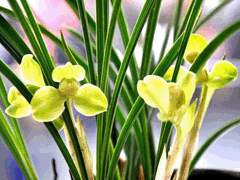
An Analysis of the Compatibility Characteristics of Chinese Orchid Appreciation
The Compatibility of Chinese Orchid Appreciation
-
Why does Chinese Cymbidium kanran need to be re-understood?
A Re-understanding of Chinese Cymbidium kanran
-

-
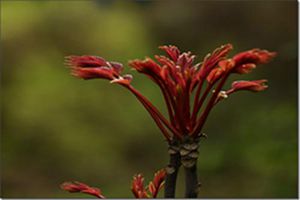
What is the difference between Chinese toon and tree of heaven? A quick guide to telling them apart
Both of these trees originated in China. Although they belong to different families and genera, they look very similar, so many people confuse them. Both can be used as medicine, but they are different. The former usually has even-pinnate leaves, while the latter usually has odd-pinnate leaves; the former is fragrant, while the latter smells bad. The bark of the former can be peeled off, while the latter is relatively smooth. The former has capsules, while the latter has samaras.
-
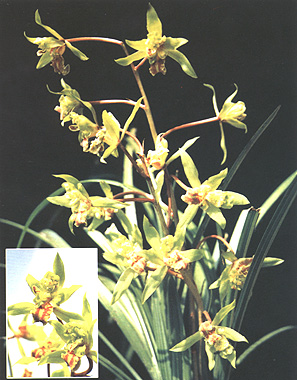
A Guide to Appreciating Chinese Huilan Orchids: A Detailed Explanation of Orchid Appreciation Methods
The character "hui" in huilan (Chinese cymbidium) already appeared in the "Chu Ci" by Qu Yuan, the great poet of the State of Chu during the Warring States period. His verse says: "Having cultivated lan in nine wan (one wan equals twelve mu -- translator's note)...
-
-
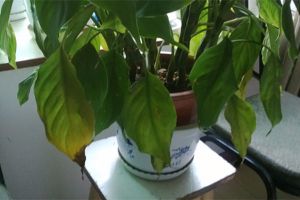
Is Dieffenbachia (Chinese evergreen) poisonous? Its toxicity explained in one go
It is actually poisonous, but its toxicity is not obvious, and it is only present in its sap. Normally when its liquid touches our hands, it causes an allergic reaction, and if we do not control our scratching, the itching will greatly intensify. Eating too much of it will cause poisoning, manifesting as vomiting and dizziness, as well as loss of appetite and fatigue.
条件筛选