-

Glyphosate and glufosinate differ by only one character in Chinese - where exactly is the difference? Only by understanding it can you use them well
Although glyphosate and glufosinate are both "phos*phos" herbicides, differing by just one character, their compositions are actually very different. Glyphosate's chemical formula is C3H8NO5P, while glufosinate's chemical formula is C5H15N2O4P. However, although the two have different chemical formulas...
-

Chinese-style double-sided landscape view, Eastern charm in full display
These two old pines have a strong Chinese-style charm, a screen-style double-sided aquascape! Tank information Tank size: 170x50x60cm Light: T5 light 80Wx4 CO2: one solenoid set Filtration: canister filter Substrate: power sand + cosmetic sand Materials: Qinglong...
-
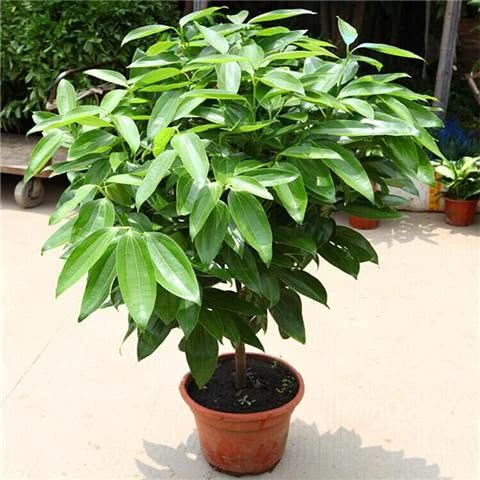
How to care for a Chinese cinnamon tree (Cinnamomum kotoense)? These 5 tips keep the leaves deep green and the growth vigorous
The Chinese cinnamon tree (Cinnamomum kotoense) has deep green, glossy leaves with clear veins, and the whole plant is fragrant. Just from its name you can tell it carries excellent symbolism. So how do you grow a Chinese cinnamon tree well? Let's take a look! How to cultivate a Chinese cinnamon tree: (1). Soil: choose a loose, fertile, well-draining, micro-acidic sandy soil rich in organic matter...
-
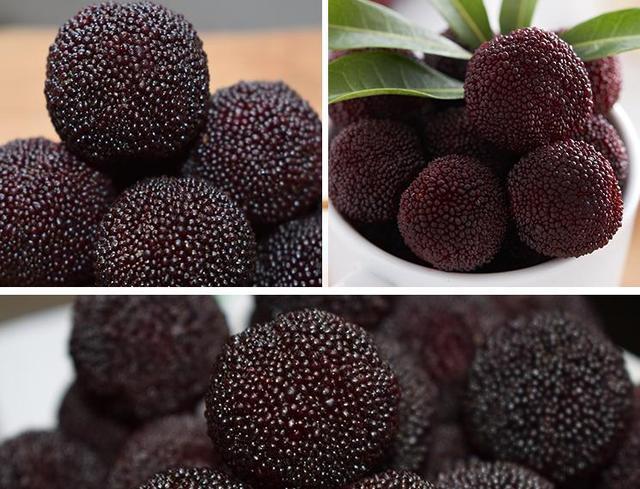
Detailed Explanation of Five Key Techniques for Chinese Bayberry Training and Pruning
Five Training and Pruning Techniques for Chinese Bayberry. Chinese bayberry is a perennial, multi-branched plant. Due to natural growth and extensive management, mature trees develop unscientific canopy structures, with imbalanced growth and fruiting and a low rate of high-quality fruit. This technique, through the use of thinning...
-
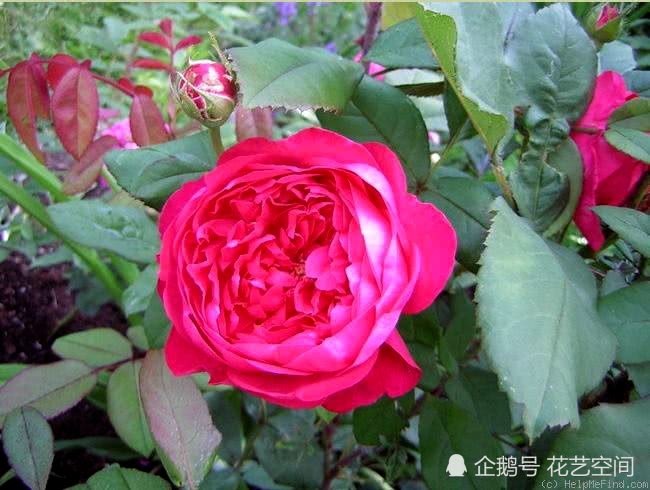
Use it to grow gardenias, jasmine and Chinese roses; one bag lasts 3 years, and they bloom non-stop.
What problems have you all encountered while growing flowers? I think the most common problems are yellowing leaves or very few flowers, which greatly reduces the ornamental effect. So if you want to grow flowers well, you have to solve these two big problems! Ferrous...
-
How do you eat Chinese toon sprouts? A few simple home-style recipes
Scrambled eggs: Wash the Chinese toon sprouts, blanch them in water, and chop them finely. Add them to beaten eggs with salt and stir-fry. Tofu salad: Cut the tofu into cubes, blanch it, chop it finely, add salt, chopped chili, light soy sauce and a little warm water, and mix with the tofu before eating. Pan-fried omelette: Beat the eggs, add chopped Chinese toon, salt and starch, stir, and pan-fry in a flat-bottomed pan until golden brown.
-

The Wonders of Chinese Orchid Leaves: What Makes Orchid Leaves Unique
Promoting Chinese orchid culture and spreading orchid knowledge. There has long been a saying that "appreciating leaves surpasses appreciating flowers." During the Southern Song Dynasty, people discovered yellow edges appearing on orchid leaves and regarded them as a wonder. Later, people gradually discovered that in addition to yellow and white edges appearing on the leaves...
-
Miracle-Gro potting mix 6L pack, contains fertilizer, gardening DIY, all-purpose, orchid, rose and Chinese rose, anthurium, vegetable and fruit, bulb, bonsai, clematis specialized soil
·END·An interactive platform for flower growing, flower planting, and green plant enthusiasts to chat, show off, and brag. An online home for sharing flower cultivation methods and household flower growing tips. A fresh flower subscription platform. Flowers: hyacinth|stock|plum blossom|carnation|cam...
-
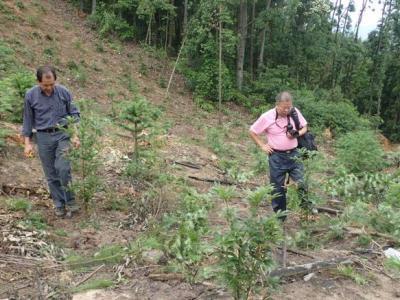
How can Chinese fir (Cunninghamia lanceolata) plantations be managed to improve wood properties?
What silvicultural techniques improve the wood properties of Chinese fir? Chinese fir and Masson pine (Pinus massoniana) are coniferous tree species with high-quality, fast-growing timber that are unique to southern China. For a long time, large areas of Chinese fir plantations have been established in the Chinese fir producing regions of the south. Because Chinese fir grows fast, has a short rotation period and consumes many nutrients, its litterfall is sparse and slow to decompose, the litter has low nutrient content, and the woodland has poor self-fertilizing capacity, resulting in soil erosion. Consequently, continuous cropping of Chinese fir leads to soil fertility decline, serious habitat deterioration, a severe drop in stand stability, and a decline in stand productivity with each successive generation. China began to pay attention to the decline in soil fertility of plantations in the 1960s, and Chinese fir plantations were especially prominent in this regard. As people's understanding of forest resources and the ecological environment has deepened, forests are recognized as having the dual role of providing numerous renewable resources and delivering public-benefit functions. The previous practice of establishing plantations dominated by pure coniferous stands has shifted toward establishing mixed coniferous-broadleaf plantations. The construction of mixed coniferous-broadleaf plantation bases was a key forestry project launched in the early 1980s. Through more than 30 years of cultivation and research, mixed coniferous-broadleaf forests have clearly demonstrated their functions and characteristics. According to research both in China and abroad, compared with establishing pure stands, establishing mixed coniferous-broadleaf forests offers advantages such as improving the soil, conserving water, improving wood quality, achieving higher comprehensive woodland productivity, and withstanding disasters better. It also optimizes the structure of forest resources, promotes the diversification of plantation tree species, simulates natural conditions, develops ecological forestry, follows a path of efficient and coordinated sustainable forestry development, and achieves the overall optimal benefits of forestry. Establishing mixed coniferous-broadleaf forests to improve the soil fertility of coniferous woodland and raise woodland productivity and stand stability has become a consensus among forestry workers.
-
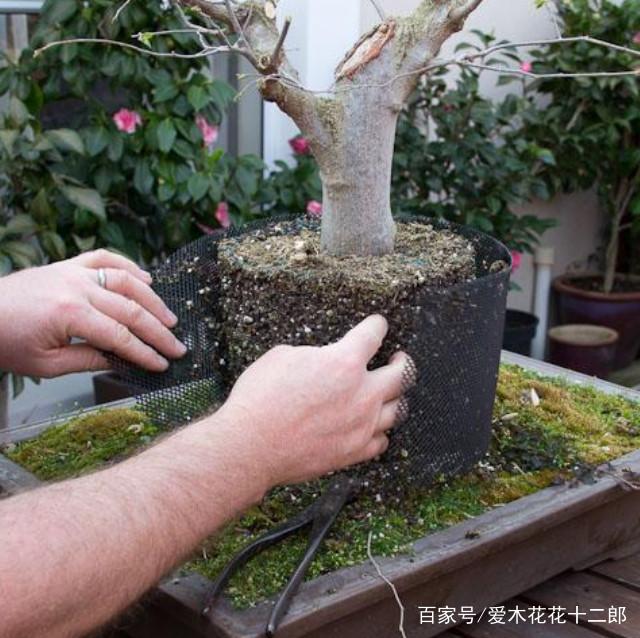
Chinese hackberry bonsai root replacement follow-up: an upgraded air-layering technique
When I talked about this air-layering story earlier, I didn't go into it in depth. Later, I unexpectedly found that this guy had a follow-up report. There's no way around it, so I'll just keep rambling on about this story here. About half a year later, the bonsai artist opened the mesh to check...
条件筛选