Chinese hackberry bonsai root replacement follow-up: an upgraded air-layering technique
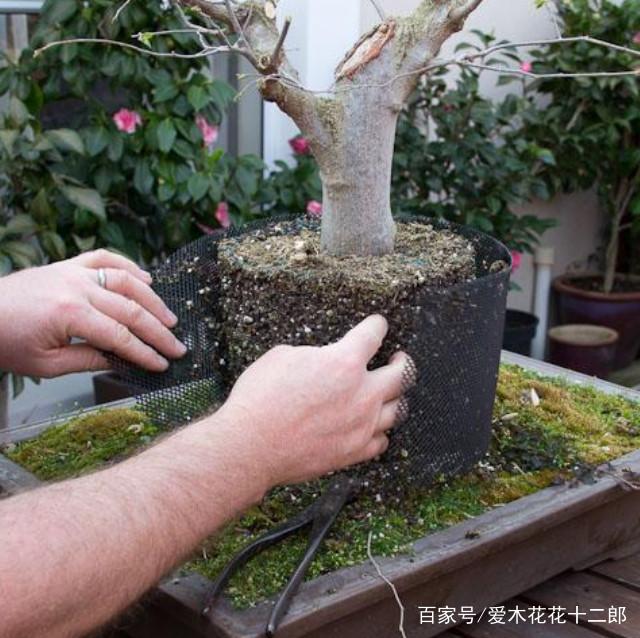
When I talked about this air-layering story earlier, I didn't go into it in depth. Later, I unexpectedly found that this guy had a follow-up report. There's no way around it, so I'll just keep rambling on about this story here.
About half a year later, the bonsai artist opened the mesh to check the root system
He found that lots and lots of roots had grown, densely packed in a ring
The plastic sheet put in place back then was still there
So he sawed it off
He used pliers to trim away the excess wood below
This time it was placed into this kind of grow-out box for cultivation
Another year passed, and this guy wanted to see how the roots were growing. Really, it was mainly to take a photo as a memento.
He pulled the tree up again. The roots were very good
New roots kept growing at the bottom
Here's a close-up. The jagged edges look too obviously man-made, but after another two years, once the roots have grown to a certain thickness, some roots will need to be selected and removed, and then after another two years, as the new roots get thicker and thicker, they will drive the base of the trunk to swell, and by then this whole ring of jagged edges will be completely smoothed away. The layer of bark on the surface of the jagged edges will also gradually dry out.