Glyphosate and glufosinate differ by only one character in Chinese - where exactly is the difference? Only by understanding it can you use them well
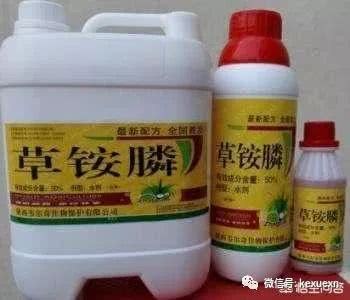
Although glyphosate and glufosinate are both "phos*phos" herbicides, differing by just one character, their compositions are actually very different. Glyphosate's chemical formula is C3H8NO5P, while glufosinate's chemical formula is C5H15N2O4P. But although the two have different chemical formulas, they also share many similarities.
Looking at their molecular structures, both belong to the organophosphorus compounds. They are both herbicides, and both also have fairly widespread applications in agricultural production.
However, although both can be used as herbicides, there are still quite a few differences in their weed-killing properties. Here is a brief introduction.
From the perspective of their modes of action, glyphosate is a systemic, non-selective herbicide that can be translocated through green leaf tissue, and through systemic absorption it can also damage the roots of weeds - one could say its destructive power is enormous. Glufosinate works differently: after being absorbed by the weed, the cell's chloroplasts break down, causing the weed to die. In other words, glufosinate's mode of action is a semi-systemic one, which differs from glyphosate.
In terms of how quickly they take effect, glyphosate generally needs a week, or even more than a week, to achieve results, but glyphosate acts very quickly - basically three days is enough to eliminate weeds. Whether judged by weed-killing effect or by speed, glufosinate is the better one. And after spraying, glyphosate also requires a week before sowing or transplanting plants, whereas glufosinate is quicker - after three or four days you can consider sowing or transplanting.
Although the two share some commonalities in weed control, they also have fairly major differences. For example, with goosegrass (Eleusine indica), which is relatively tolerant of glyphosate, glufosinate performs very well.
As for the toxicity of the two, it is really hard to say. Judging by the damage caused to plants, glufosinate is somewhat more prominent. In recent years, as more and more crops have developed increased resistance to glyphosate, glufosinate has become increasingly popular with farmers, though glufosinate's price is indeed much higher than glyphosate's. A ton of glyphosate costs about 20,000 yuan, while a ton of glufosinate costs 150,000.
This is Science Agriculture; you are welcome to add a follow and learn together.