Where can I learn Scutellaria baicalensis (Chinese skullcap) cultivation techniques?
Where can I find Scutellaria baicalensis cultivation techniques? We ask netizens to help introduce them. Zhongdiwang has compiled Scutellaria baicalensis cultivation techniques, listed below for netizens' reference. 1. Conditions suitable for Scutellaria baicalensis growth: Scutellaria baicalensis can grow in areas with an annual average temperature of 4-10°C, an annual accumulated temperature of 2500-4000°C at ≥10°C, and a frost-free period of 120-18...
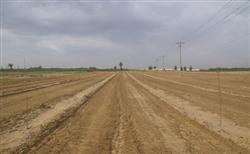 Where can I find Scutellaria baicalensis cultivation techniques? We ask netizens to help introduce them
Zhongdiwang has compiled Scutellaria baicalensis cultivation techniques, listed above and below for netizens' reference.
1. Conditions suitable for Scutellaria baicalensis growth:
Scutellaria baicalensis can grow in areas with an annual average temperature of 4-10°C, an annual accumulated temperature of 2500-4000°C at ≥10°C, and a frost-free period of 120-180 days.
Deep soil layer, good drainage, loam, sandy loam or humus loam, flat land or gently sloping land are all suitable; conditions with irrigation are even better, and inter-row spaces of young fruit trees and sunny wasteland are also suitable. Seed source: at present there is no truly production-grade bred variety; all seeds come from mixed population seeds collected from wild resources and propagated through domestication.
2. Treatment of Scutellaria baicalensis seeds and sowing methods:
(1) Scutellaria baicalensis seed treatment methods:
Soak the seeds in warm water at 40-45°C for 5-6 hours, or soak them in tap water at room temperature for 12-24 hours, remove them and let them dry slightly, then place them at about 20°C with moisture maintained for germination acceleration; sow when some seeds have cracked and sprouted.
(2) Sowing methods for Scutellaria baicalensis:
The sowing period for Scutellaria baicalensis is generally when soil moisture is guaranteed, preferably around mid-April when the ground temperature at 5 cm underground is stable at 15°C; generally spring sowing is in March-April, and autumn sowing is in September-October. The sowing methods are broadcast sowing, dibbling and drilling, and generally should be shallow rather than deep, so as to avoid weak seedlings.
General sowing rate dry seeds 0.8-1 kg/mu
After sowing Scutellaria baicalensis, cover with about 1 cm of fine moist soil, and press and cover the ground in a timely manner. Keep the soil moist until emergence.
3. Field management of Scutellaria baicalensis:
(1) Intertillage and weeding In the first year, carry out intertillage and weeding 3-4 times; from the second year onward, intertillage and weeding 1-2 times per year is sufficient.
(2) Thinning and final thinning When the seedlings are 5-7 cm tall, thin and final-thin to leave about 60 seedlings per square meter.
(3) Topdressing In the first year after final thinning, and in subsequent years after green-up in spring and before row closing, apply each time 75-12.5 kg each of urea, diammonium phosphate and potassium sulfate per hectare; mix the three fertilizers, open furrows and apply in bands, then cover with soil to cover the fertilizer.
(4) Pressing to promote root growth and control seedling growth At the seedling stage, choose a sunny afternoon and lightly tread along the rows by foot or lightly press the aboveground parts of Scutellaria baicalensis with a stone or wooden roller, pressing once every 3-5 days, for about three times in succession.
(5) Pruning flower branches For fields not harvested for seeds, after budding and before flowering, choose a sunny morning and cut off the flower branches in batches.
4. Pest and disease control methods for Scutellaria baicalensis:
(1) Root rot control During the growing period, carry out timely intertillage and soil loosening, and drain promptly in the rainy season to prevent waterlogging. Regulate soil moisture and improve soil aeration. Pull out diseased plants in a timely manner, and disinfect the diseased holes with 5% lime water.
(2) Stem base rot control On the basis of comprehensive agricultural control of root rot, spray a 600-800 times dilution of 50% carbendazim and 80% zineb at 1:1 in the early stage of the disease.
(3) Leaf blight control In the early stage of the disease, spray with a 1000 times dilution of 50% carbendazim wettable powder.
5. Harvesting and processing methods for Scutellaria baicalensis:
(1) Growth years In Chengde and the cold northern regions, it is suitable to dig the roots after 2-3 years of growth.
(2) Digging season In spring, after Scutellaria baicalensis emerges, choose sunny days for digging.
(3) Digging method Use a plow to turn the soil or dig by hand with a pick, and avoid damaging or breaking the main root as much as possible during the day; remove stems and leaves in a timely manner, shake off the soil clean, and dry in the sun promptly.
(4) Drying and processing Divide the roots of Scutellaria baicalensis into large, medium and small, and dry them in a sunny, ventilated and high, dry place. The root tips and fine lateral roots knocked off are stored separately. During drying, avoid washing with water or rain, otherwise the roots will turn green and black.
(5) Yield The yield of commercial dry medicinal material is 150-200 kg/mu for biennial plants and 300-400 kg/mu for triennial plants.
(6) Mastering the harvesting season and methods well is related to improving the quality of the medicinal material. In our county, when planting Scutellaria baicalensis, some people are eager for quick success and harvest after 1 year. According to experts, in fact, 1-year Scutellaria baicalensis has a baicalin content of about 7%, which does not meet the pharmacopoeia standard of 9% for manufacturers; 2-3-year-old Scutellaria baicalensis can have a baicalin content as high as about 13-18%, so in addition to paying attention to the harvesting season, attention should also be paid to the growth time of the medicinal material.
Click to get more Scutellaria baicalensis cultivation techniques
Click to get more medicinal herb cultivation techniques