Guidelines for Pesticide Use in Promoting Ecological Balance in the Cultivation of Chinese Medicinal Herbs
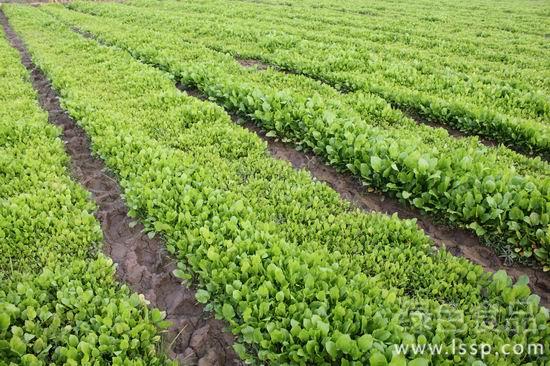
Chinese Medicinal Herbs
According to the requirements of China's Good Agricultural Practice for Chinese Materia Medica (GAP for short), the prevention and control of diseases, insect pests and rodents in Chinese medicinal herbs should follow the principle of "combining prevention and control with prevention as the priority." Integrated control measures should be adopted, giving preference to agricultural, biological, physical and mechanical methods, with chemical pesticides applied sparingly or not at all. When pesticides are needed, low-toxicity, high-efficiency pesticides with a short residual period, or traditional soil pesticides, should be used to avoid contaminating commercial Chinese medicinal herbs. The use of the "Chemical Pesticides Prohibited in the Production of Chinese Medicinal Herb Bases" is strictly forbidden, and harmful substances must be rigorously prevented from contaminating the herbs and the environment. The purpose of prevention and control is to protect the normal development of Chinese medicinal herbs, enhance their resistance, and promote ecological balance.
If pesticides are to be used for the prevention and control of diseases and insect pests in Chinese medicinal herbs, the following principles should be followed:
(1) The use of pesticides that are highly toxic, extremely toxic, or have long residual effects, or that are carcinogenic, teratogenic or mutagenic, is strictly prohibited.
(2) The use of plant-derived pesticides, microbial pesticides and bionic synthetic pesticides that are non-toxic to humans and livestock, cause no environmental pollution, and leave no residues in the product should be promoted.
(3) For disinfectants, alternating application is recommended: after spraying each agent 2-3 times, another agent should be used instead, so as to prevent viruses and bacteria from developing resistance.
(4) Spray according to the pre-harvest interval of pesticides commonly used in the cultivation of Chinese medicinal herbs. During the application period, commercial medicinal herbs must not be harvested. For example, the pre-harvest interval for 50% carbendazim is 7-10 days; for 70% thiophanate-methyl it is 10 days; and for 50% phoxim it is 10 days.
(5) The use of diphacinone sodium salt for rodent control is recommended, and the use of highly toxic agents such as fluoroacetamide and sodium fluoroacetate for rodent control is strictly prohibited.
(6) The use of chemical herbicides to control weeds in Chinese medicinal herb growing areas is strictly prohibited, so as to avoid phytotoxicity and environmental pollution.