-
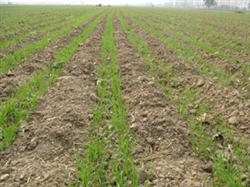
Can acetochlor be used for weed control during the wheat seedling stage?
Can acetochlor be used on wheat seedlings? Please advise: acetochlor must not be applied to wheat seedlings. Wheat is fairly sensitive to acetochlor from just emerging until before the 2-leaf stage, and applying the herbicide at this time easily causes herbicide injury. In wheat fields, acetochlor should be applied after sowing but before emergence, or after the wheat reaches the 2-leaf 1-heart stage. After application, keeping the field moist gives a better sealing effect; note that the soil...
-
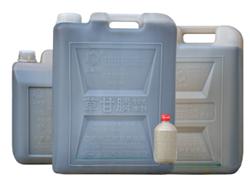
What types of adjuvants are commonly used with glyphosate?
What adjuvants are commonly used with glyphosate? Please introduce the main SAA currently used as glyphosate adjuvants: tallow fatty amine ethoxylates, alkyl polyglycosides, fatty alcohol ethoxylates, silicone SAA, betaines, amino acid-based SAA, anti-drift agents, anti-hard-water agents, synergists, etc. Glyphosate is a low...
-
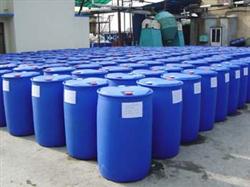
What is glyphosate aqueous solution? A detailed introduction for you
What is glyphosate aqueous solution? Please note that commercially available glyphosate comes in many forms and many formulations, such as glyphosate isopropylamine salt, glyphosate ammonium salt, and glyphosate, among which 10% glyphosate aqueous solution and 41% glyphosate isopropylamine salt account for the vast majority. According to Announcement No. 1158 jointly issued by the Ministry of Agriculture and the Ministry of Industry and Information Technology...
-
What is the difference between glyphosate and glufosinate? Explained clearly in one article
What is the difference between glyphosate and glufosinate? Compared with glyphosate, glufosinate acts faster, and it can also control some weeds that have developed resistance to glyphosate. Glufosinate is a phosphinic acid non-selective contact herbicide and a glutamine synthetase inhibitor with partial systemic activity. After application...
-
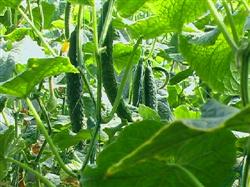
Which pesticides must not be used in cucumber cultivation?
Which pesticides cannot be used in cucumber cultivation? Please provide guidance. The following pesticides must not be applied when growing cucumbers: Pesticides whose production has been banned: 666, DDT, chlordimeform, fluoroacetamide, arsenic trioxide, ethylmercury chloride, and mercury seed dressings.
-
How can microbial pesticides be used to increase their effectiveness?
What methods can improve pesticide efficacy? Please give guidance. During pesticide application, if an appropriate amount of auxiliary substance is added, the pesticide efficacy can be significantly improved. Adding baijiu: adding 50 grams of baijiu per mu will significantly improve the insecticidal effect. For example, using 40 milliliters of methamidophrin-cypermethrin per mu plus 50-100 grams of baijiu, add to 5...
-
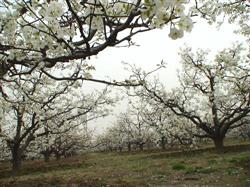
Which types of pesticides are resistant to rain washing?
When should fruit trees not be sprayed with pesticides? Please advise: to improve fruit yield and quality, reduce the number of pesticide applications, and extend the productive life of the trees, the key is to master the following critical periods in pest and disease control. The first is the period when buds clearly swell, that is, the bare-branch spray. During this period, spray a high-concentration fungicide plus insect...
-
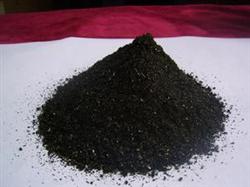
Can potassium permanganate really be used as a pesticide?
Can potassium permanganate be used as a pesticide? Please explain. Everyone knows that potassium permanganate is a strong redox agent, and in medicine it is a surgical drug commonly used for both humans and animals, commonly known as PP powder, and its solution has strong bactericidal, disinfecting and antiseptic effects. Experiments have shown that using solutions of different concentrations of it to control flower seedling damping-off disease...
-
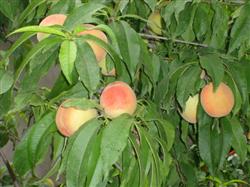
Which pesticides are prohibited for fruit trees? Medication taboos fruit growers need to know
Which pesticides cannot be used on fruit trees? Please introduce the following ten pesticides that cannot be used on fruit trees: 1. Phosphamidon: prohibited for peach trees. 2. Methamidophos: prohibited for all kinds of fruit trees. 3. Dichlorvos: prohibited for stone fruit trees. 4. Dimethoate and omethoate: peach and pear are sensitive to solutions diluted less than 1500 times, so test before use to determine the safe concentration;
-
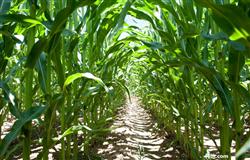
What should be noted when using chemical herbicides in corn fields?
What should be noted when using chemical herbicides in corn fields? Please advise on the following issues to note when using chemical herbicides in corn fields: 1. Improper selection of variety. Different herbicide varieties have different control effects on weeds. Some farmers do not understand chemical herbicides and mistakenly believe some casual claims, thinking that any herbicide can control weeds, result...
条件筛选