-

Correct Methods and Technical Key Points for Returning Wheat Straw Compost to the Field
Choose a flat spot at the edge or corner of a field close to a water source, and firm the ground. Chop the wheat straw short, soak it with water, and then build the pile. First spread a layer of wheat straw about 25 cm thick, press it firm, then pour on human and livestock manure and urine, or for every 100 kg of dry wheat straw add 0.5 kg of urea and 2 kg of superphosphate, and spread a layer of pond mud 10 cm thick on top. Then spread another layer of straw, pour on fertilizer, and cover with pond mud. Build up layer by layer in this way until the pile reaches 1.5-2 m high. Finally seal the pile with thin mud. After 30 days, turn the pile and add an appropriate amount of water. After 2 months in summer, or 3-4 months in winter, it will be
-
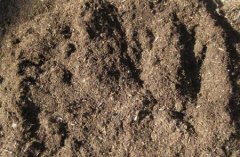
The principles of kitchen waste composting and how to make a compost bin, eco-friendly and practical
Nowadays, we all want a good ecological environment, and many people are making compost, which is both eco-friendly and practically useful. So how do you make compost? Do you know? Let's take a look together. For composting to succeed, you must provide the right amount of water, air,
-
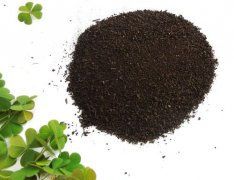
DIY Method for Turning Kitchen Waste into Organic Fertilizer
In many European countries, when dealing with kitchen waste and yard weeds and fallen leaves, people often use their own yards for natural composting, and some use machines for high-speed fermentation. In the early days, farming families in Taiwan, China all had compost sheds and manure pits, and these can provide us with space for reflection and thought.
-
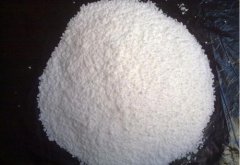
What is melamine, and can dairy products containing melamine be used to make organic fertilizer?
Melamine dealt a severe blow to dairy products, and the public dared not consume them. If tainted milk powder is used as fertilizer, will it be absorbed by crops and affect human health? Melamine is a nitrogen-containing organic compound produced from urea as a raw material; it is biodegradable, and after being decomposed into urea by microorganisms, it does not harm plants.
-
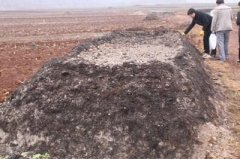
Methods and Benefits of Making Organic Fertilizer from Weeds
Weed Organic Fertilizer: Weeds can also be made into organic fertilizer. Do you know how to make it? Only by farming with a longer-term vision and forming a virtuous cycle can the vitality of the earth be sustained endlessly. In the general view of farmers, weeds are bad, they
-

What does microbial composting do? Understanding microbially enhanced composting in one article
Microbial oil cake compost: Organic farming places special emphasis on cultivating the soil so that it can maintain the highest productive capacity, and one of the best ways to improve the soil is to apply organic fertilizers such as microbial oil cake fertilizer and oil cake liquid fertilizer. This not only significantly shortens the production time of organic fertilizer, but the method is also very simple, clean and hygienic, and crop yield and quality are markedly improved.
-
The Benefits and Uses of Compost Explained in Detail
What benefits does applying compost have? Do you know? The nutrient source for organic crops, under the principle that chemical fertilizers must not be used, depends entirely on the use of compost. As for the nutrient content of compost, aside from itself containing a small amount of readily available inorganic nutrients, most
-
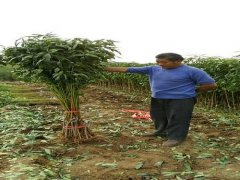
What is organic matter in fertilizer, and what types are there?
Do you know the selection and application techniques of organic matter fertilizers? If not, then take a look at this article and learn about it. This way you can fertilize crops better. Choose according to soil conditions. You can send soil samples to an improvement station to analyze the soil's organic matter.
-
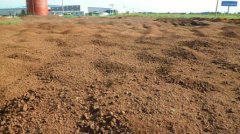
What are the raw materials for organic fertilizer? Farm-made organic fertilizer vs. commercial organic fertilizer
In what ways do farm-made organic fertilizer and commercial organic fertilizer differ? Because organic materials differ in composition and in the nutrients they release upon decomposition, their application requires attention to the advantages and disadvantages of each organic material, making up for shortcomings by drawing on strengths, and making the most appropriate blending and application, which will achieve twice the result with half the effort
-
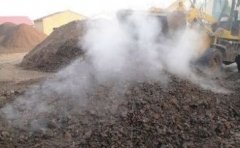
What Is Microbial Fertilizer? A Complete Guide to Its Uses and Benefits
What exactly is microbial fertilizer? The most essential and most distinctive feature of microbial fertilizer is that it is a living, life-containing fertilizer. How is it formed? Let's take a look below. 1. What Is Microbial Fertilizer Microbial fertilizer refers to
条件筛选