When to Plant Thyme and When to Prune It? A Full Analysis of Its Benefits and Effects
I used to have no idea what thyme was. As someone who loves cooking, I often shopped at baking supply stores, and by chance I came across a whole array of seasoning bottles and jars. I would have felt I was letting myself down if I did not buy them, so all the seasonings I had seen or heard of were packed up and brought home, to be taken out when I wanted to cook.
I used to have no idea what thyme was. As someone who loves cooking, I often shopped at baking supply stores, and by chance I came across a whole array of seasoning bottles and jars. I would have felt I was letting myself down if I did not buy them, so all the seasonings I had seen or heard of were packed up and brought home, to be taken out when I wanted to cook. To this day there is still a big pile that has never made it into a dish. What are the cultivation methods and precautions for thyme?
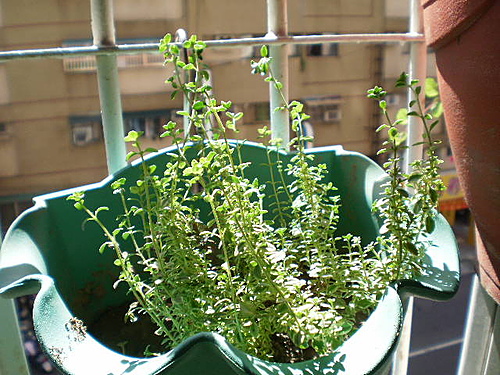
It was earlier this year, I think! Quite by accident, I started growing herb plants. They can be planted anytime from March to August, and that was when I first came into contact with fresh thyme (before that I only knew powdered thyme). I fell for it at first glance, and I do not know how many pots I killed. Whenever I laid eyes on one, I would definitely buy it and take it home to plant. It disappointed me and was very hard to please; it likes mild, cool conditions and needs to stay dry, so for me, a complete gardening novice, it was sheer suffering, like burning money. Within a few days I would buy another pot to practice on. Now I can say I have a little experience, and right now is a good season to plant it. Absolutely do not buy one to plant in summer, or you will be throwing your money away. As for pruning, you can judge by how well it is growing. Before, I only knew I had to grow it well and could not bear to cook with it; now I snip it off whenever I like to use in cooking, so that it does not die on me again.
It was earlier this year, I think! Quite by accident, I started growing herb plants. They can be planted anytime from March to August, and that was when I first came into contact with fresh thyme (before that I only knew powdered thyme). I fell for it at first glance, and I do not know how many pots I killed. Whenever I laid eyes on one, I would definitely buy it and take it home to plant. It disappointed me and was very hard to please; it likes mild, cool conditions and needs to stay dry, so for me, a complete gardening novice, it was sheer suffering, like burning money. Within a few days I would buy another pot to practice on. Now I can say I have a little experience, and right now is a good season to plant it. Absolutely do not buy one to plant in summer, or you will be throwing your money away. As for pruning, you can judge by how well it is growing. Before, I only knew I had to grow it well and could not bear to cook with it; now I snip it off whenever I like to use in cooking, so that it does not die on me again.
The English word for thyme, "thumos", means "fragrance" and evolved from Greek, where it meant "having courage" and "fit to be offered to the gods". Back then, to praise a person for being courageous, one could say he had the scent of thyme about him. In cooking, thyme is called the "harmonizer", meaning it can bring the flavors in food together, which may be because its taste is mild and not too pungent. The name of thyme comes from the Greek goddess "Venus", who, witnessing the heavy casualties of the Trojan War, could not help but weep bitterly; when her tears fell to the earth they were transformed into "thyme". In ancient Greece there was a legend that a maiden longing for love need only embroider a thyme pattern on her clothes, or wear a sprig of thyme on her person, to signify that she was looking for a lover and waiting for a suitor to declare his love. A shy man, it was said, need only drink a cup of thyme tea to summon the courage to pursue the one he loved. A 16th-century minstrel called the fragrance of thyme "the paradise of dawn", because it smells fresh and enchanting, natural and comforting, as pure and beautiful as paradise.
"Thyme" is cold-resistant and drought-resistant, with extremely strong vitality; the plant is about 15-30 cm tall, the leaves range from dark green to deep bluish green, the flowers are rather small, pink or white, and the stems, leaves and flowers all have a rich fragrance. It is a delicate aromatic plant full of atmosphere. Pick a few leaves and rub them gently in your hands, and a faint fragrance is released, mild and pleasant. Thyme is rather intolerant of moisture, so when summer rainfall is too heavy, waterlogging must be avoided, because its light requirement is very high; even grown under a transparent rain shelter it will become leggy from insufficient light. It is best grown in the open ground, planted on a south- or east-facing slope, which both avoids waterlogging and provides ample sunlight. The soil should not be too fertile; grown on gravelly ground, although it grows more slowly, it is more likely to make it safely through the rainy season. In the Middle Ages, thyme had another special purpose: mourners at funerals would usually wear fresh thyme, so that they would not be infected by the grief of others and would not fall into a sorrowful mood themselves but become strong. The Greeks also liked to burn thyme leaves to scent their surroundings; the fragrance of thyme can make people happy and increase confidence and firmness of will. In ancient times, witches dried thyme leaves and stuffed them into pillows to drive away nightmares.
The herb thyme is a strongly antiseptic herb; after harvesting, lemon thyme can be brewed as tea to soothe cold symptoms, and can also be used in cooking, and it can also lift the spirits and relieve fatigue, so it can be considered an all-purpose herb. The ancient Egyptians used it for embalming, and because thyme can break down organic matter and promote bile secretion, drinking thyme juice after a banquet aids digestion; thyme was also an offering to Venus and other deities. The Romans cooked with thyme and used it medicinally, and they believed thyme could drive away sorrow and inspire courage. In the Middle Ages, thyme was used to treat plague and paralysis, leprosy and body lice; the king's bouquet also included thyme, to prevent infection in public places. This shows that people's esteem for thyme never diminished; even during World War I, thyme, together with clove, lemon and chamomile essential oils, served as hospital disinfectants and antibacterial agents.
The abundant thymol in thyme is a natural antiseptic and preservative; because of its antiseptic effect it is widely used in various cough and phlegm medicines, throat lozenges, syrups, mouthwashes, toothpaste, or added to various external ointments for reducing inflammation and relieving itching. In the days before refrigerators, cured meats often had thyme added, taking advantage of its antibacterial and preservative function, and it also added fragrance. In traditional Chinese medicine, thyme is considered pungent in taste and slightly warm in medicinal nature, with the effects of warming the middle and dispelling cold, and expelling wind and relieving pain. The whole plant is used as medicine, harvested in summer when the branches and leaves are luxuriant; pull up the whole plant, wash it, cut off the roots (which can be used for cultivation and propagation), cut into sections, and use fresh or dried in the sun. It can be used for vomiting, abdominal pain, diarrhea, poor appetite with distension, wind-cold cough, swollen throat, toothache, body aches and itchy skin. Research in countries around the world holds that the thymol contained in thyme has an antiseptic effect on the throat, mouth and respiratory tract, helps protect the respiratory tract and prevent colds, and can also clean the nasal mucosa; it also has the effect of relieving fatigue, refreshing the mind and restoring physical strength, and can be used to sober up and relieve hangovers, calm the nerves and ease insomnia; it also promotes blood circulation and relieves cold hands and feet.