Can roselle be grown in the north? Planting time, methods, nutritional value and uses
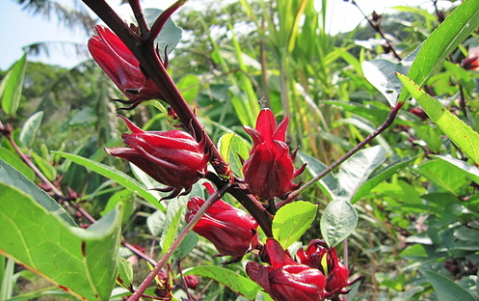
How do you grow roselle, do you know? Would you like to learn about it? Let us take a look together! During the growing process, we must pay close attention to the common diseases and care of roselle! In the north, the time to plant roselle is around March to April, and full sun is best.
How do you grow roselle, do you know? Would you like to learn about it? Let us take a look together! During the growing process, the common diseases and care of roselle require our close attention!
In the north, the time to plant roselle is around March to April, and full sun is best. Roselle stops growing at 10 degrees Celsius and withers at 5 degrees Celsius. Because the weather is still fairly cold after the Chinese New Year, starting seedlings too early will freeze the roselle to death, so I always let the seeds sprout in early April.
In the north, the time to plant roselle is around March to April, and full sun is best. Roselle stops growing at 10 degrees Celsius and withers at 5 degrees Celsius. Because the weather is still fairly cold after the Chinese New Year, starting seedlings too early will freeze the roselle to death, so I always let the seeds sprout in early April.
First soak the roselle seeds in water for one day, pour off the water, put them in a plastic bag (heat-resistant bag, opaque), and place it in a pocket on your body to let them sprout (body temperature is higher, so they sprout faster)
, and after about 3 to 4 days take them out to check, plant the seeds that have already sprouted into small pots, and leave the other seeds in the pocket to continue sprouting.
When the roselle seedlings in the small pots reach about 20 to 30 cm tall, they can be transplanted to the nursery. Because roselle is a shallow-rooted plant, it is easily blown over by strong winds (such as typhoons), so when transplanting, use wooden sticks or similar supports to secure the seedlings for easier care later. About 2 weeks after transplanting the young seedlings, apply fertilizer for the first time (either organic or chemical fertilizer is fine), and in about 3 months they can grow to 160 to 200 cm. Once they flower, apply fertilizer one more time. The flowering period is from September to October each year, and harvest is one month after flowering. Roselle has very good resistance to pests and diseases and will survive whether grown from seed or cuttings. It does not require much growing skill or care, and it quickly grows into a patch.
When saving roselle seed, choose the capsules on branches near the root, wait until they are completely dry, then remove the seeds (the capsule is divided into five chambers, with 5 to 7 seeds in each chamber), and store them at room temperature or under refrigeration. Because commercially sold roselle is picked before the seeds are fully mature, even if you dry it in the sun, it basically will not sprout.
Roselle has quite high utility value, and the flowers, roots, and seeds can all be used medicinally. Among them, the seeds are recorded in pharmacopoeias as having tonic, diuretic, and mild laxative effects; the calyx has effects such as clearing heat, quenching thirst, relieving cough, and lowering blood pressure. After the seeds are removed, the fresh calyx also contains malic acid and can be made into jam, juice, jelly, tea bags, candied fruit, and refreshing drinks; with added sugar and fermentation it can be made into wine; the unripe calyx can be used as a raw material for vinegar or as a vegetable, and the tender leaves can be eaten raw or cooked; the dried stems contain fiber and can be used for textiles and papermaking. Roselle is rich in anthocyanins, flavonoids, and polyphenols, can nourish and beautify the skin, and helps regulate blood lipids and maintain liver health. Roselle has the effects of reducing fever, lowering high blood pressure, treating liver disease, and balancing the body's acid-base value; scientists have further found that roselle extract is quite helpful for preventing cancer, atherosclerosis, aiding digestion, anti-aging, and inhibiting free radical activity; the sweet-and-sour roselle tea is also the best summer heat-relieving drink in Taiwan, China.