Banana tree varieties: Origin and characteristics of Musa ornata, Musa laterita, and Musa beccarii
The potted cultivation method for banana plants is a growing method that many people now know. In addition to being grown in gardens or pots, ornamental banana varieties with showy flowers have large, brightly colored blooms that are suitable for cut flowers use, and are even more distinctive when used in flower arrangements. Foliage varieties (
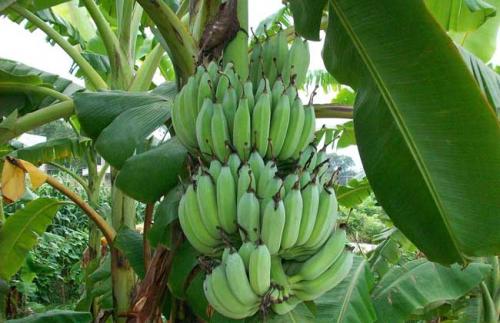
The potted cultivation method for banana plants is a growing method that many people now know. In addition to being grown in gardens or pots, ornamental banana varieties with showy flowers have large, brightly colored blooms that are suitable for cut flowers use, and are even more distinctive when used in flower arrangements. Foliage varieties (variegated banana) grown in gardens have tall, slender plants; using dwarfing agents can control plant height, making the leaves broader and the spots darker, making them a much-loved foliage houseplant. The fruiting variety thousand-layer banana has even more distinctive fruit clusters. The above varieties are suitable for cultivation in Taiwan, China, and have potential for promotion and development. The following is an introduction to these three types of ornamental varieties.
(1.) Musa ornata: Distributed in India, Myanmar, and Thailand, it is the most common ornamental-flowering species of the genus Musa. The plant is robust and clump-forming, reaching more than 2 to 3 m. The bracts are purple on the outside and light purple on the inside. The male flowers are deep yellow, and the flower shape is beautiful. Both the inflorescence and the fruit cluster are upright, making it quite suitable as cut flower material. When grown in gardens it grows quickly, and the flower buds are gorgeous. It can be used as a potted plant; the plant can bloom once it reaches 1 to 1.5 m.
(2.) Musa laterita: Native to India, Myanmar, and Thailand. Its name laterita comes from laterite, meaning brick-red. This variety closely resembles Musa ornata in appearance, but the plant is more slender, 1 to 2 m tall, non-clump-forming, with underground rhizomes. The peak flowering period is in summer, and it is not cold-tolerant. The bracts are orange-red, with pale yellow tips, while the male flowers are deep yellow. The flower buds are bright and eye-catching, making them good material for cut flowers and flower arrangements. This variety is relatively short, making it very suitable as a potted plant. With the use of dwarfing agents, the plant can bloom in a pot once it reaches 0.5 to 1 m.
(3.) Musa beccarii: Native to Indonesia. The plant is robust and clump-forming, with a height of up to 2 m. The flower buds are bright red with a waxy luster, and the tips are pale green, extremely bright and eye-catching; they can be used for cut flowers or flower arrangement designs. In addition to being enjoyed in gardens, it is also suitable as a potted plant; the plant can bloom once it reaches 1 m.