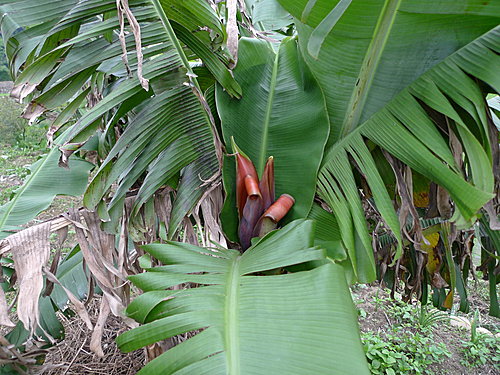
Detailed Explanation of Banana Planting Management Techniques, Steps, Methods and Precautions
Bananas are a standard tropical crop, and their growth has very strict requirements for the environment. Because we live in Taiwan, China, which is suitable for growing bananas, we do not find them difficult to grow. As long as the temperature of the growing environment is too low and the rainfall is insufficient, bananas will definitely not grow well.
Although a hot and humid environment is a necessary condition for banana cultivation, such conditions alone cannot produce truly delicious bananas. I once heard a saying: "Why do bananas from Taiwan, China taste better than those from the Philippines?" The answer is that Taiwan, China has a large temperature difference, so the bananas are especially sweet and fragrant.
It is just that although bananas from Taiwan, China currently look beautiful, they really cannot move people's hearts when eaten. The most criticized point is that they rot after just three to five days!
It was not until I grew bananas using natural farming methods myself that I truly experienced the killer charm of bananas!
1. Growing environment: a place with full sun, humidity and relatively little wind.
2. Planting method: use the small suckers growing beside the mother plant.
3. Planting time: can be planted all year round, except that winter is relatively not recommended.
4. Cultivation method: after planting, unless the climate is too dry and you water it a little, you can forget it exists.
5. Weeding: current experience shows that only Bidens pilosa var. radiata slightly affects its growth.
6. Harvest: about one year after planting, it will flower and bear fruit.
7. Other:
a. The spacing between banana plants should be relatively large, about 2.5 m or more. Plantain plants are huge, so the spacing should be even wider.
b. When the banana fruit has grown to a certain extent, the male flower at the end can be cut off to concentrate nutrients for the banana fruit.
c. Although removing excess side suckers can concentrate nutrients for the mother plant, it is easy for the plant to topple when the wind is strong (typhoons).
d. When growing bananas yourself, you can wait as long as possible to harvest until they are yellow and ripe; the bananas will be even sweeter and more fragrant, but you need to be careful because they bruise more easily.
e. After harvesting bananas, leave the plant cut down to a height of about 1 m; this can supply nutrients for the growth of other small suckers.
f. In windy places, plant more of them to reduce damage from strong winds.
If you want to grow bananas, then act quickly!