A Detailed Guide to the Biological Characteristics and Growth Habits of Safflower (Carthamus tinctorius)
Safflower is an annual herbaceous plant of the genus Carthamus in the Asteraceae family, and it is also a traditional Chinese medicinal herb. Its dried tubular florets are used as medicine, with the effects of promoting blood circulation and menstruation and dispersing blood stasis to relieve pain, and it is cultivated in many parts of China. Its flowers are yellow when they first open and gradually turn orange-red, and harvesting is generally best done when the flower color changes from yellow to red.
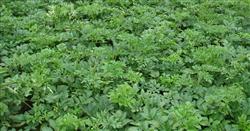
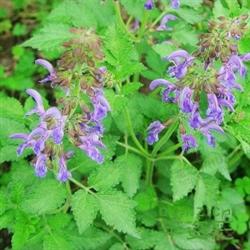
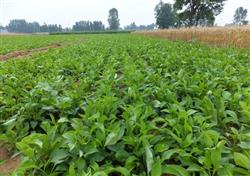
The plant is usually about half a meter to one meter tall, with an upright stem that branches profusely in the upper part and a relatively smooth surface. The leaves are alternate, mostly ovate-lanceolate or elliptic, with serrated edges, and the tips of the teeth often bear sharp spines, though some cultivated varieties have fewer spines. The capitulum is terminal, with multiple layers of involucral bracts, the outer bracts mostly spiny, the corolla entirely tubular, and the fruit a white achene.
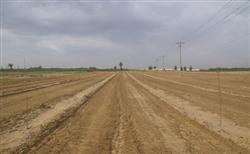
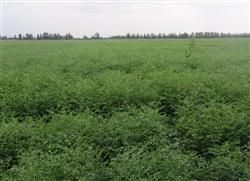
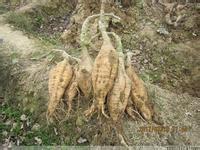
In terms of growth habits, safflower prefers a warm, dry environment with ample sunlight. It is fairly drought-tolerant, but fears waterlogging and also fears high temperatures and high humidity, as rainy weather and standing water easily cause diseases such as root rot. It is not demanding about soil, but deep, well-drained sandy loam is best, and continuous cropping should be avoided. Its root system is a taproot that penetrates deeply into the soil, giving it a certain tolerance to drought and poor soil.
In terms of types, safflower can be divided into spiny and spineless types according to the presence or absence of spines, and there are also differences in flower color such as yellow, orange and red, with many local types adapted to local environments having formed in various regions. Besides medicinal use, its seeds have a high oil content, and safflower seed oil can be used as edible oil, so safflower is also an economic crop used for both medicine and oil, and has drawn the attention of many farmers in the adjustment of planting structures.
Related Reading