A Detailed Guide to High-Yield Asparagus Fern (Asparagus cochinchinensis) Techniques, from Site Selection and Seedling Raising to Field Management
Asparagus cochinchinensis is a commonly used traditional Chinese medicinal herb, with its swollen tuberous roots used as medicine; it has traditional medicinal value such as nourishing yin and moistening dryness, and market demand is relatively stable. It is a perennial climbing herbaceous plant that prefers a warm, humid climate, has weak cold tolerance, and fears waterlogging; it is suitable for growing in deep, loose, fertile sandy loam. To achieve high yields, you must first understand its growth habits, then arrange planting reasonably according to local climatic conditions.
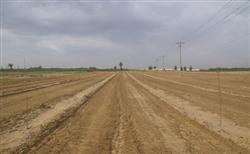
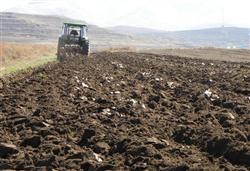
For planting Asparagus cochinchinensis, it is advisable to choose a sunny or semi-shaded plot, and when preparing the land, apply plenty of fully decomposed farmyard manure as a base fertilizer to create good conditions for tuberous root growth. There are two propagation methods: seed propagation and division propagation. Seed propagation requires soaking the seeds first to promote germination, and transplanting after strong seedlings are raised; division propagation involves separating vigorous mother plants when digging them up and planting them separately, which results in faster survival and relatively earlier results.
Management during the growing period is the key link that determines yield. Asparagus cochinchinensis vines grow vigorously and need trellises to climb on, while appropriate shading is beneficial for tuberous root enlargement. Topdressing should be mainly organic fertilizer, supplemented with an appropriate amount of phosphorus and potassium fertilizer. During the rainy season, pay attention to drainage to prevent waterlogging; during the dry season, water in time to maintain moisture, and carry out intertillage and weeding well to reduce nutrient consumption.
Common diseases of Asparagus cochinchinensis include root rot, which is mostly caused by waterlogging in the field or soil-borne pathogens. Daily management should focus on prevention, and diseased plants should be dealt with promptly once found. Tuberous roots generally need to grow for more than three years before they can be dug up. After harvesting, wash off the soil, and process them by steaming, peeling, and drying to ensure commodity quality and obtain better planting returns.
Related Reading