- 网站首页
- Medicinal Herb Cultivation
- How can licorice (Glycyrrhiza) be grown for high yields?
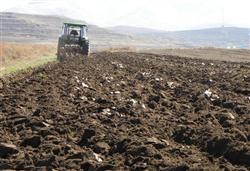 How can cultivated licorice achieve high yields? What should be noted? We ask experienced readers to share their advice.
Zhongdiwang has compiled the techniques for cultivating licorice, listed below for readers' reference.
Soil selection for planting licorice:
Licorice prefers a dry climate and tolerates severe cold. It is suitable for planting in deep, well-drained sandy soil with a low groundwater table and rich in calcium; the soil should preferably be neutral or slightly alkaline. Waterlogged low-lying land, land with a high groundwater table, and acidic soil are not suitable for planting.
Seedling selection and planting methods for licorice:
Licorice is generally propagated by root rhizomes. After harvesting licorice in autumn or spring, the thick roots are used for medicine, and small thin rhizomes are selected as seed stock, cut into 10--15 cm segments, each with 2--3 buds.
In autumn, plow the soil deeply to 30--50 cm and apply sufficient base fertilizer, with 2500 kg of manure and 200 kg of superphosphate per mu. After plowing, harrow level. Sow in about early April the following spring, opening furrows at a row spacing of 30 cm and a furrow depth of about 10 cm, place the rhizomes flat in the furrows at a plant spacing of 10--15 cm, cover with soil, harrow level, press firm, water, and cover with film. You can also raise seedlings in a concentrated bed and transplant them separately, or cultivate on ridges covered with straw or plastic film.
Routine management of licorice:
Before and after licorice emerges, keep the soil constantly moist to favor emergence and seedling growth, and water promptly in dry weather. When the seedlings grow 2--3 true leaves, thin them; after final thinning, the plant spacing is 10--13 cm. Weed promptly during the seedling stage. After the plants grow larger, rhizomes may be exposed above the ground, so appropriate earthing up is needed. Large clumps of grass can be pulled out, and hoeing is beneficial.
In winter, apply 2000--2500 kg of farmyard manure per mu as a top dressing. After two years of cultivation, the licorice rhizomes will have spread throughout the entire plot, and no special management is needed.
Pest and disease control for licorice:
For rust, use 0.30--0.40 degree lime-sulfur mixture or 97% ferbam at 400 times dilution for control.
For brown spot, use 1:1:100--160 Bordeaux mixture or 70% thiophanate-methyl wettable powder at 1500--2000 times dilution for control.
For powdery mildew, use 0.20--0.30 degree lime-sulfur mixture for control.
For aphids, use 50% fenitrothion at 1000--2000 times dilution or 40% dimethoate emulsifiable concentrate at 1500--2000 times dilution for control.
For red spider mites, spray with 20% dicofol at 1500--2000 times dilution or 25% chlordimeform aqueous solution at 500--1000 times dilution, once a week for several consecutive times.
Harvesting licorice:
Licorice can be harvested 2--3 years after planting, from late September to early October, when the aboveground stems and leaves wither. Licorice roots grow deep and must be dug deeply; do not break them or damage the root bark. After digging out, remove the residual stems and soil; do not wash with water. While fresh, separate the main roots from the lateral roots, sun-dry until half dry, tie into small bundles, then sun-dry until completely dry for medicinal use.
Click to get more licorice cultivation techniques
Click to get more medicinal herb cultivation techniques
栏目索引
- 请使用count标签查询 Industry News
- 请使用count标签查询 Agricultural Machinery
- 请使用count标签查询 Edible Gardening
- 请使用count标签查询 Grain Crops
- 请使用count标签查询 Fruit Tree Cultivation
- 请使用count标签查询 Flower Cultivation
- 请使用count标签查询 Macadamias
- 请使用count标签查询 Agricultural Products
- 请使用count标签查询 Pests & Diseases
- 请使用count标签查询 Flowers & Gardening
- 请使用count标签查询 Soil & Composting
- 请使用count标签查询 Vegetables
- 请使用count标签查询 Agricultural Technology
- 请使用count标签查询 Growing Techniques
- 请使用count标签查询 Succulents
- 请使用count标签查询 Agriculture Encyclopedia
- 请使用count标签查询 Flowers
- 请使用count标签查询 Plants
- 请使用count标签查询 News
- 请使用count标签查询 Birds
- 请使用count标签查询 Policy
- 请使用count标签查询 Fertilizer
- 请使用count标签查询 Pesticides
- 请使用count标签查询 Nursery Stock
- 请使用count标签查询 Mushroom Cultivation
- 请使用count标签查询 Medicinal Herb Cultivation
- 请使用count标签查询 Fodder & Green Manure
- 请使用count标签查询 Livestock Farming
- 请使用count标签查询 Apple Cultivation
- 请使用count标签查询 Coffee Cultivation
- 请使用count标签查询 Organic Farming
- 请使用count标签查询 Avocados
- 请使用count标签查询 Green Manure
- 请使用count标签查询 Orchids
- 请使用count标签查询 Livestock Farming
- 请使用count标签查询 Melons & Fruits
- 请使用count标签查询 General News
- 请使用count标签查询 Watermelons
- 请使用count标签查询 Oranges
- 请使用count标签查询 Wax Apples
- 请使用count标签查询 Tomatoes
- 请使用count标签查询 Strawberries
- 请使用count标签查询 Pears
- 请使用count标签查询 Cherries
- 请使用count标签查询 Passion Fruit
- 请使用count标签查询 Mangoes
- 请使用count标签查询 Dragon Fruit
- 请使用count标签查询 Blueberries
- 请使用count标签查询 Pepino Melons
- 请使用count标签查询 Pomelos
- 请使用count标签查询 Lychees
- 请使用count标签查询 Bird's Nest Fern
- 请使用count标签查询 Bananas
- 请使用count标签查询 Pothos
- 请使用count标签查询 Pineapples
- 请使用count标签查询 Figs
- 请使用count标签查询 Koi
- 请使用count标签查询 Lemons
- 请使用count标签查询 Cacti
- 请使用count标签查询 Muskmelons
- 请使用count标签查询 Goji Berries
- 请使用count标签查询 Sugarcane
- 请使用count标签查询 Soybeans
- 请使用count标签查询 Rice
- 请使用count标签查询 Cyclamen
- 请使用count标签查询 Peaches
- 请使用count标签查询 Jujubes
- 请使用count标签查询 Sugar Apples
- 请使用count标签查询 Plums
- 请使用count标签查询 Wampees
- 请使用count标签查询 Waxberries
- 请使用count标签查询 Longans
- 请使用count标签查询 Custard Apples
- 请使用count标签查询 Guavas
- 请使用count标签查询 Kiwis
- 请使用count标签查询 Grapes
- 请使用count标签查询 Mulberries
- 请使用count标签查询 Plant Pests & Diseases
- 请使用count标签查询 Salaks
- 请使用count标签查询 Persimmons
- 请使用count标签查询 Starfruit
- 请使用count标签查询 Mint
- 请使用count标签查询 Mangosteens
- 请使用count标签查询 Durians
- 请使用count标签查询 Papayas
- 请使用count标签查询 Cilantro
- 请使用count标签查询 Sweet Potatoes
- 请使用count标签查询 Bitter Melons
- 请使用count标签查询 Chili Peppers
- 请使用count标签查询 Ginger
- 请使用count标签查询 Millet
- 请使用count标签查询 Pumpkins
- 请使用count标签查询 Herbs
- 请使用count标签查询 Peanuts
- 请使用count标签查询 Cauliflower
- 请使用count标签查询 Loquats
- 请使用count标签查询 Coffee Cultivation
- 请使用count标签查询 Winemaking
- 请使用count标签查询 Organic Tea Garden
- 请使用count标签查询 Tea
- 请使用count标签查询 Seed Industry
- 请使用count标签查询 Livestock Farming
- 请使用count标签查询 Aquaculture
- 请使用count标签查询 Specialty Farming
相关内容