Control Methods and Daily Management Tips for Looper Caterpillars on Lingzhi Mushroom
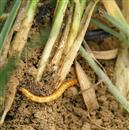
Looper caterpillars are a collective name for a fairly common group of pests during lingzhi mushroom cultivation. Their larvae are named for the way they arch their bodies like a bridge when they walk. Inside a lingzhi mushroom shed, the larvae mainly gnaw on the tender parts such as the cap and the stipe, causing holes and notches, and in severe cases they also reach the mycelium, affecting the appearance and harvest of the lingzhi mushroom.
Looper caterpillars tend to reproduce faster in environments with high temperature and high humidity and poor ventilation. Adults often fly in from outside the shed to lay eggs, and the eggs are mostly laid on coverings or surrounding weeds. Growing sites with weeds around the shed and lax insect-proof facilities are often more vulnerable to infestation.
For control, prevention should come first, with physical and agricultural measures given priority. Installing insect-proof nets at vents, doors and windows, and hanging insect-killing lamps or sticky traps inside the shed, can reduce the chances of adults flying in and laying eggs. In daily management, weeds and residues inside and outside the shed should be removed promptly to lower the pest population base, and ventilation should be strengthened to avoid long periods of stuffy, humid conditions in the shed.
If the pest numbers are large, biological agents that are relatively safe for edible fungi, such as Bacillus thuringiensis, can be chosen between flushes of lingzhi mushrooms, or compliant high-efficiency, low-toxicity pesticides can be used, with concentration and application following the product instructions, and a sufficient pre-harvest interval left before harvesting to prevent residues from affecting lingzhi mushroom quality. During the harvest period, spraying should be avoided as much as possible; manual catching and physical methods can be used together to control the pest population, combining control with prevention to ensure normal growth of the lingzhi mushroom.
Related Reading